East Los Angeles, located in the Los Angeles basin of Southern California, experiences one of the longest and most intense allergy seasons in the United States. Its Mediterranean climate, combined with unique geographic features like surrounding mountains that trap pollen, creates year-round challenges for allergy sufferers. This guide covers the main pollen types, seasonal patterns, recent trends, and practical strategies to help you navigate East Los Angeles's extended allergy season.
Understanding Pollen Count in East Los Angeles
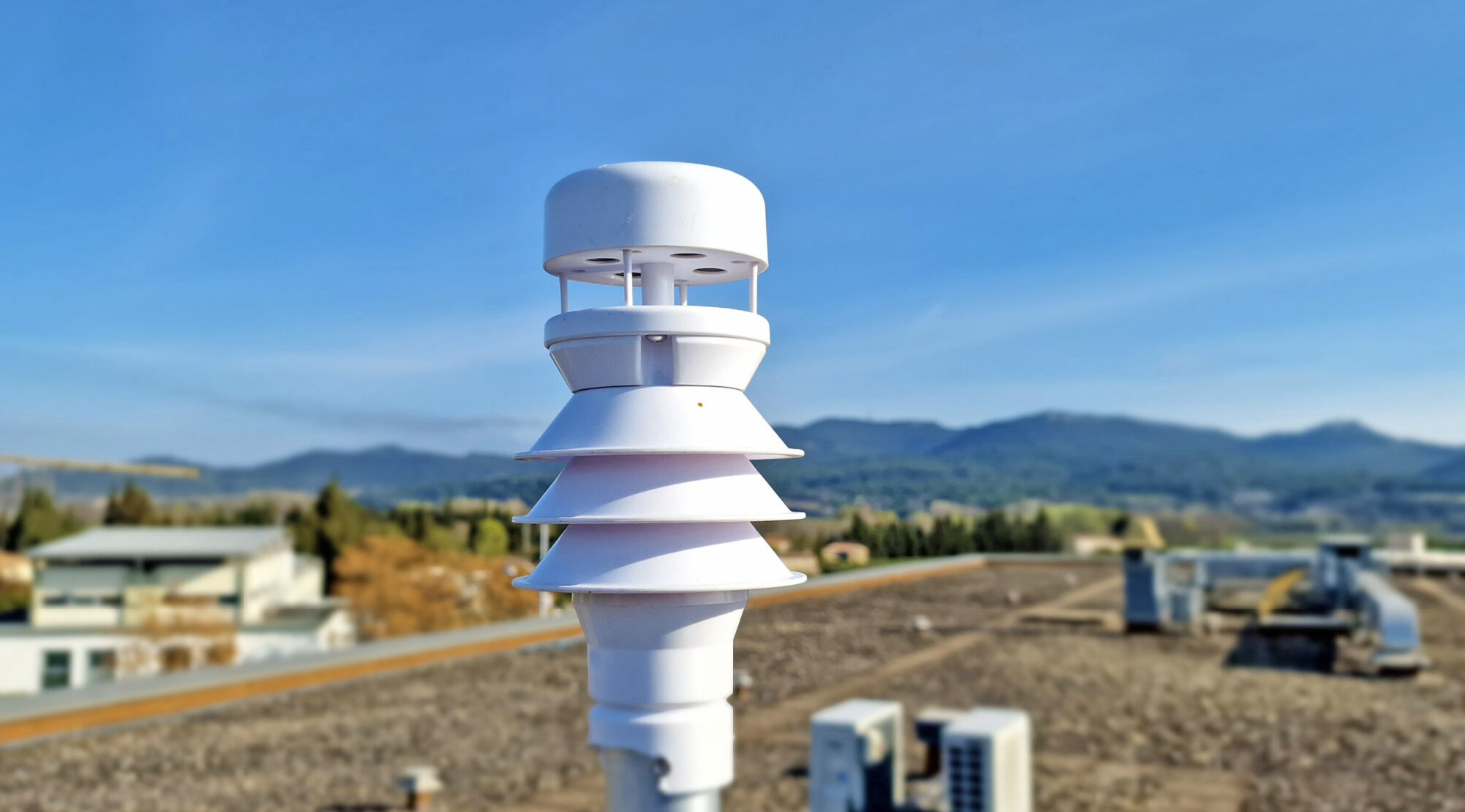
Pollen count measures the concentration of pollen grains per cubic meter of air, typically collected from monitoring stations placed 15 meters above ground. When pollen counts are high, individuals with allergies may experience symptoms such as sneezing, runny nose, itchy eyes, congestion, and respiratory discomfort. Each monitoring station covers approximately an 18.6-mile radius, providing localized data for your area.
Key Pollen Types and Significant Allergen Trends
East Los Angeles faces a tri-modal pollen season with overlapping tree, grass, and weed allergens creating nearly year-round exposure. The most significant allergens include Coast Live Oak producing heavy pollen loads from March through May, Bermuda grass dominating lawns and parks with peak activity from May through July, and Russian thistle combined with mugwort peaking during August and September.
- Coast Live Oak Pollen: The most widespread tree allergen in the region, producing heavy pollen loads from March to May with peak concentrations in March and April
- Bermuda Grass Pollen: Dominant grass allergen found throughout Greater Los Angeles in lawns, parks, and medians, remaining active year-round due to warm climate with peaks from May to July
- Russian Thistle and Mugwort: Major weed allergens especially problematic in eastern LA County, peaking in September and often causing the worst symptoms of the year
- Olive Tree Pollen: One of the most potent tree allergens in Southern California, pollinating from April through June with particularly high allergen intensity
Climate change is significantly impacting East Los Angeles pollen seasons, causing earlier start dates, longer blooming periods, and higher pollen concentrations year over year. The urban heat island effect intensifies these trends, with higher temperatures in urban areas extending plant blooming duration and increasing pollen production compared to rural regions.
Seasonal Pollen Patterns in East Los Angeles
East Los Angeles experiences distinct pollen seasons throughout the year, with overlapping periods creating extended allergy challenges.
- Winter (December to February): Cedar and juniper begin pollinating as early as January, followed by alder in February, with the lowest overall pollen activity occurring in November through early January
- Spring (March to May): Peak tree pollen season dominated by Coast Live Oak, ash, sycamore, mulberry, and olive trees, with grass pollen beginning in April creating overlapping exposure
- Summer (June to August): Grass pollen season peaks with Bermuda grass, ryegrass, and timothy grass reaching maximum levels from May through July, while weed pollen begins rising in August
- Fall (September to November): Weed pollen peaks with Russian thistle, mugwort, and ragweed reaching maximum levels in September, often the worst overall month due to Santa Ana winds carrying pollen from inland areas
Access Daily Pollen Data for East Los Angeles
The Pollen Count & Alerts App provides real-time pollen monitoring specifically for East Los Angeles, helping you track daily fluctuations in tree, grass, weed, and mold spore levels. With pollen counts typically rising during morning hours and peaking in early afternoon, the app enables you to plan outdoor activities during lower-pollen periods. Stay informed with location-specific data updated daily to manage your allergy symptoms effectively.
Effective Allergy Management Strategies
Implementing these practical strategies can significantly reduce your exposure to pollen and minimize allergy symptoms in East Los Angeles.
- Use the Pollen Count & Alerts App: Monitor real-time pollen levels and receive customized alerts to plan outdoor activities during low-pollen times, especially avoiding peak afternoon hours
- Maintain Indoor Air Quality: Keep windows closed during high-pollen periods, particularly during March through May and September, and use air conditioning with clean filters to reduce indoor pollen exposure
- Practice Personal Hygiene: Shower and wash hair before bed to remove pollen accumulated throughout the day, change clothes after outdoor activities, and avoid hanging laundry outside during peak seasons
- Install HEPA Air Purifiers: Use high-efficiency particulate air filters in bedrooms and main living areas to capture pollen particles and reduce indoor allergen concentrations, especially important during Santa Ana wind events
- Consult an Allergist: Seek professional medical advice for persistent symptoms, consider allergy testing to identify specific triggers, and explore treatment options including immunotherapy for long-term relief from extended allergy seasons
App Features to Enhance Your Allergy Management
The Pollen Count & Alerts App offers comprehensive tools designed specifically to help East Los Angeles residents navigate one of the nation's most challenging allergy environments.
- Real-Time Pollen Counts: Access the latest pollen data specific to East Los Angeles, updated daily from monitoring stations covering your area with detailed tree, grass, and weed allergen breakdowns
- Customized Pollen Alerts: Receive personalized notifications when pollen levels rise in your area, helping you prepare for high-pollen days and adjust outdoor plans accordingly
- Accurate Multi-Day Forecasts: Plan ahead with reliable pollen forecasts showing expected allergen levels for upcoming days, essential during unpredictable Santa Ana wind events
- Educational Allergy Content: Learn about specific pollen types affecting East Los Angeles, understand seasonal patterns, and discover evidence-based strategies to minimize exposure and symptoms
- Intuitive User Design: Navigate easily through clean, user-friendly interfaces to quickly check current conditions, view forecasts, and access the information you need to manage your allergies effectively


Explore More About Managing Your Allergies
- Understanding Allergy Pollen Counts: Your Comprehensive Guide – Learn how to interpret daily pollen count levels and discover proven strategies to reduce your exposure and manage allergy symptoms effectively.
- Why Are My Allergies So Bad Right Now? | Pollen Count & Alerts App Blog – Discover the surprising reasons why your allergies may suddenly intensify, including climate change impacts and environmental factors unique to urban areas.
- Do Allergies Get Worse as You Age? | Pollen Count & Alerts App Blog – Understand how your immune system and allergy sensitivities evolve throughout different life stages, from childhood through senior years.
Stay informed with expert advice and seasonal updates by visiting the Alert Pollen Blog.
Pollen count in nearby cities
FAQ
When is pollen season in East Los Angeles?
East Los Angeles experiences one of the longest pollen seasons in the United States, with allergenic activity nearly year-round. Tree pollen dominates from January through May, peaking in March and April with Coast Live Oak and Olive trees. Grass pollen season runs from April through September, with peak levels in May through July, while weed pollen peaks in August and September, making late summer particularly challenging for allergy sufferers.
What are the most common allergens in East Los Angeles?
The dominant allergens in East Los Angeles include Coast Live Oak and Olive trees (March-June), which produce heavy pollen loads throughout spring. Bermuda grass is the primary grass allergen, found in lawns, parks, and highway medians across the region, with peak activity from May through July. Weeds like Russian thistle, mugwort, and ragweed peak in August and September, with Russian thistle being especially problematic in eastern LA County areas.
How can I protect myself from pollen in East Los Angeles during Santa Ana wind events?
During Santa Ana winds, stay indoors with windows closed and use air conditioning with HEPA filters, as these desert winds can carry massive amounts of weed pollen across the entire LA basin within hours. Use the Pollen Count & Alerts App to receive real-time notifications about sudden pollen spikes so you can adjust outdoor activities accordingly. If you must go outside, wear wraparound sunglasses and a mask, and shower immediately after returning home to remove pollen from hair and skin.
Final Thoughts
Living in East Los Angeles means navigating one of the most challenging allergy environments in the United States, with the basin effect trapping pollen, Santa Ana winds causing sudden spikes, and air pollution intensifying allergic reactions. However, with accurate information about local allergens and their seasonal patterns, you can take proactive steps to minimize your exposure and symptoms. The Pollen Count & Alerts App provides the real-time data you need to plan your days around pollen levels and protect your health year-round.
Don't let pollen control your life in East Los Angeles. Download the Pollen Count & Alerts App today to receive personalized alerts, track local allergen levels, and take charge of your allergy management with science-backed, location-specific information.
Take Control of Your Allergies Today
The Pollen Count & Alerts App delivers real-time pollen counts specific to East Los Angeles, personalized alerts for your allergen triggers, and comprehensive forecasts to help you plan ahead. Whether you're dealing with spring tree pollen, summer grass season, or fall weed surges, our app keeps you informed and prepared. Download now and breathe easier all year long.