Koreatown, located in central Los Angeles, experiences significant pollen challenges due to its position within the LA basin. The Mediterranean climate with warm, dry summers and mild winters allows allergen-producing plants to thrive nearly year-round, from late January through November. This guide provides comprehensive information about pollen types, seasonal patterns, and effective management strategies to help residents navigate one of the worst allergy environments in the United States.
Understanding Pollen Count in Koreatown
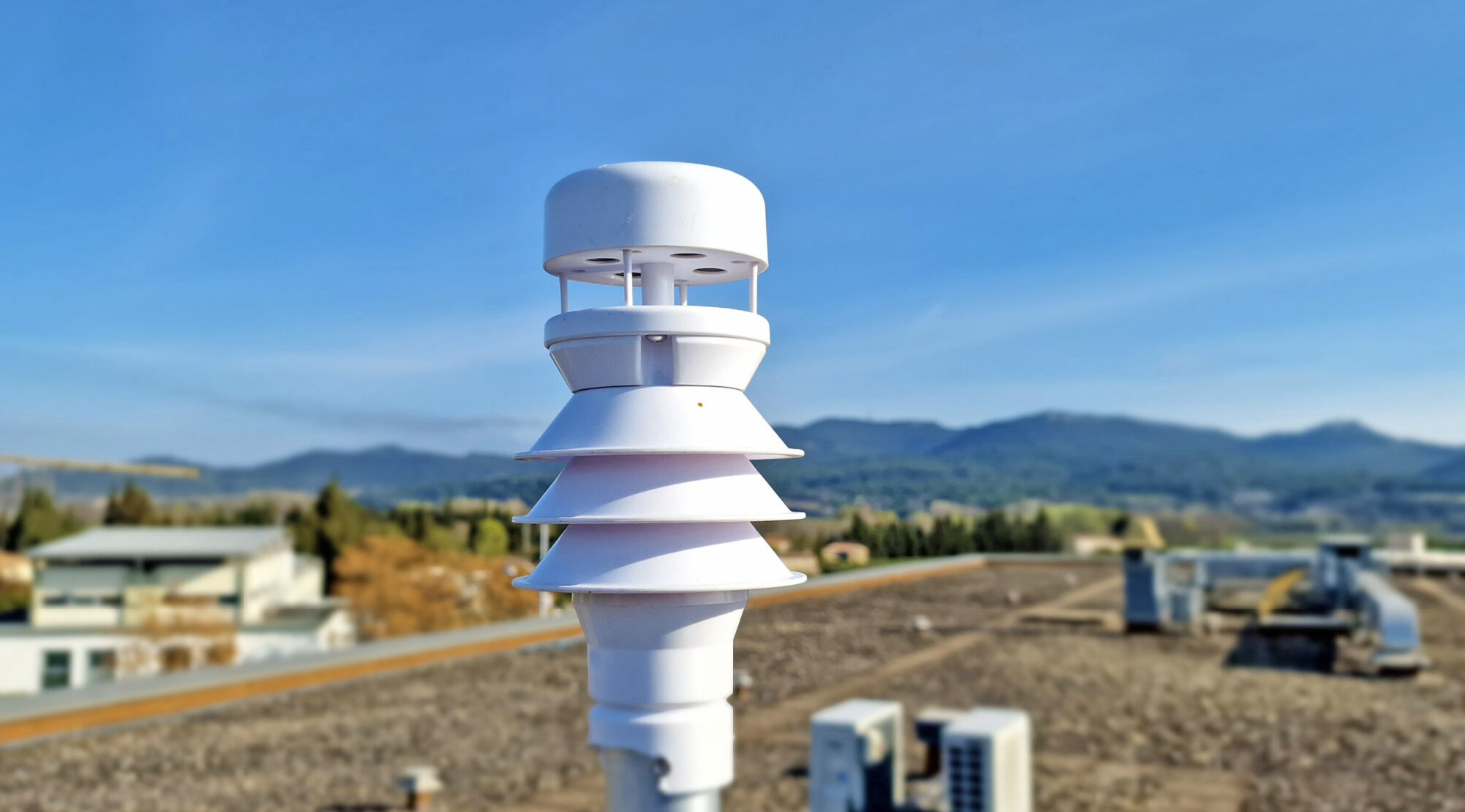
Pollen count measures the concentration of pollen grains per cubic meter of air, collected from monitoring stations positioned approximately 15 meters above ground with a sampling radius of about 30 kilometers. When pollen counts are high, common symptoms include sneezing, runny or stuffy nose, itchy eyes, throat irritation, coughing, and worsened asthma. Los Angeles consistently ranks among the worst U.S. cities for allergies, with pollen counts reaching their highest levels in decades.
Key Pollen Types and Significant Trends in Koreatown
Koreatown experiences three main categories of airborne allergens throughout the year, with recent data showing alarming increases in pollen production. According to UCLA Health, pollen counts are at their highest levels in decades, with birch pollen alone increasing by 20 percent over the past 30 years due to rising temperatures and elevated carbon dioxide levels.
- Tree Pollen: Dominated by Coast Live Oak, olive, sycamore, and mulberry, peaking March through April with simultaneous release from multiple species
- Grass Pollen: Bermuda grass is the dominant allergen in lawns, parks, and medians, peaking May through July with year-round presence even in December
- Weed Pollen: Russian thistle, mugwort, and ragweed peak in September, particularly problematic during Santa Ana winds
- Climate Change Impact: Rising temperatures and CO₂ levels extend blooming seasons and amplify both pollen quantity and allergenicity across Southern California
The LA basin's geographic formation, surrounded by mountains on three sides, creates a bowl-shaped trap that concentrates pollen and air pollution. The urban heat island effect in Koreatown further increases temperatures and extends plant blooming seasons, while Santa Ana winds push pollen across the entire basin, causing sudden severe symptom spikes. Unlike colder climates, Los Angeles has no hard freeze to reset allergen cycles, meaning no winter reprieve for allergy sufferers.
Seasonal Pollen Patterns in Koreatown
Koreatown experiences distinct pollen seasons that often overlap, creating extended periods of high allergen exposure:
- Late Winter to Spring (February to May): Tree pollen dominates with peak levels in March and April from oak, olive, mulberry, ash, and sycamore species releasing pollen simultaneously
- Spring to Summer (April to September): Grass pollen peaks May through July, with Bermuda grass as the dominant allergen maintaining year-round presence during warm weather
- Late Summer to Fall (August to November): Weed pollen peaks in September with Russian thistle, mugwort, and ragweed intensified by Santa Ana winds
- Year-Round Activity (January to December): No allergy-free period exists, as warm temperatures allow Bermuda grass to produce pollen even in December, combined with continuous indoor allergens
Accessing Daily Pollen Data in Koreatown
The Pollen Count & Alerts App provides real-time pollen monitoring specifically for Koreatown and the Los Angeles area. Track daily levels of tree, grass, and weed pollen, plus mold spores, with accurate forecasts to plan your outdoor activities during low-pollen times. With Los Angeles experiencing some of the highest allergen concentrations in the United States and near year-round pollen activity, daily monitoring is essential for effective allergy management.
Effective Allergy Management Strategies for Koreatown Residents
Implement these evidence-based strategies to minimize pollen exposure and reduce allergy symptoms:
- Use the Pollen Count & Alerts App: Monitor real-time pollen levels and receive customized alerts to plan outdoor activities during low-pollen periods
- Improve Indoor Air Quality: Keep windows closed during peak pollen times, especially March through May and September, and run air conditioning with clean filters
- Install HEPA Air Purifiers: Use high-efficiency particulate air filters in bedrooms and common areas to remove pollen, dust, and other airborne allergens indoors
- Practice Personal Hygiene: Shower and change clothes after outdoor activities to remove pollen from hair and skin, and avoid drying laundry outside during high pollen days
- Consult an Allergist: Seek professional evaluation for persistent symptoms, as the combination of pollen and air pollution in Los Angeles creates a particularly aggressive allergen environment
Pollen Count & Alerts App Features to Enhance Your Allergy Management
The Pollen Count & Alerts App offers comprehensive tools designed specifically for managing allergies in high-pollen environments like Koreatown:
- Real-Time Pollen Counts: Access the latest pollen data specific to Koreatown and Los Angeles, measuring grains per cubic meter for tree, grass, and weed pollen
- Customized Alerts: Receive notifications when pollen levels spike in your area, particularly during peak months of March, April, May, and September
- Accurate Forecasts: Plan ahead with reliable pollen predictions based on weather patterns, seasonal trends, and local environmental factors
- Educational Content: Learn about specific allergens affecting Los Angeles, including oak, olive, Bermuda grass, and Russian thistle, plus their seasonal patterns
- Intuitive Design: Navigate easily through daily counts, weekly forecasts, and historical data to understand your personal allergy triggers and patterns


Explore More on Managing Seasonal Allergies
- Understanding Allergy Pollen Counts: Your Comprehensive Guide – Learn how to interpret pollen count levels and develop effective strategies to minimize your exposure during peak allergy seasons.
- Why Are My Allergies So Bad Right Now? | Pollen Count & Alerts App Blog – Discover the environmental and biological factors that can cause your allergy symptoms to intensify unexpectedly, including pollution interactions and climate change impacts.
- Do Allergies Get Worse as You Age? | Pollen Count & Alerts App Blog – Understand how your immune system's response to allergens evolves throughout your lifetime and why you might develop new sensitivities.
Stay updated with the latest tips and insights by visiting the Alert Pollen Blog.
Pollen count in nearby cities
FAQ
When is pollen season in Koreatown?
Koreatown experiences an extended pollen season from late January through late October or November. The worst months are March through May when tree pollen from oak, olive, and sycamore trees peaks, often overlapping with grass pollen starting in late April. September is also particularly severe due to weed pollen from Russian thistle and ragweed, especially when Santa Ana winds sweep allergens across the LA basin.
What are the most common allergens in Koreatown?
The most common allergens in Koreatown are Bermuda grass, which dominates lawns and parks throughout Los Angeles and can produce pollen nearly year-round due to the warm climate. Tree pollen from Coast Live Oak, olive, sycamore, and mulberry trees peaks from March through May. Weed pollen from Russian thistle, mugwort, and ragweed becomes problematic from August through October, with September being the worst month for weed allergies.
How can I protect myself from pollen in Koreatown?
Use the Pollen Count & Alerts App to monitor daily pollen levels and plan outdoor activities when counts are lower, typically after rain or in the early morning. Keep windows closed during peak pollen months (March-May and September), and shower after spending time outdoors to remove pollen from your hair and skin. The app's personalized alerts will help you stay ahead of high pollen days, which is especially important during Santa Ana wind events when pollen concentrations spike suddenly.
Final Thoughts
Living in Koreatown means facing one of the longest and most intense pollen seasons in the United States, with allergens present nearly year-round due to the LA basin's unique geography and Mediterranean climate. However, with accurate information about local pollen patterns and reliable daily forecasts from the Pollen Count & Alerts App, you can take control of your allergy management and reduce your exposure to triggers like Bermuda grass, oak trees, and ragweed.
Download the Pollen Count & Alerts App today to receive personalized notifications for Koreatown's specific pollen conditions and plan your days with confidence.
Take Control of Your Allergies Today
The Pollen Count & Alerts App provides real-time pollen counts for Koreatown, personalized alerts based on your specific sensitivities, and comprehensive forecasts that account for local factors like Santa Ana winds and seasonal peaks. With accurate data covering tree, grass, and weed pollen, you'll know exactly when to take precautions and when it's safe to enjoy outdoor activities. Download the app now and breathe easier all year long.