Universal City, located in the Los Angeles Basin of Southern California, experiences a Mediterranean climate with mild winters and warm, dry summers. This climate, combined with urban landscaping and native vegetation, creates nearly year-round pollen challenges for residents. This guide covers Universal City's main pollen types, seasonal patterns, recent pollen trends, and effective strategies to manage allergy symptoms throughout the year.
Understanding Pollen Count in Universal City
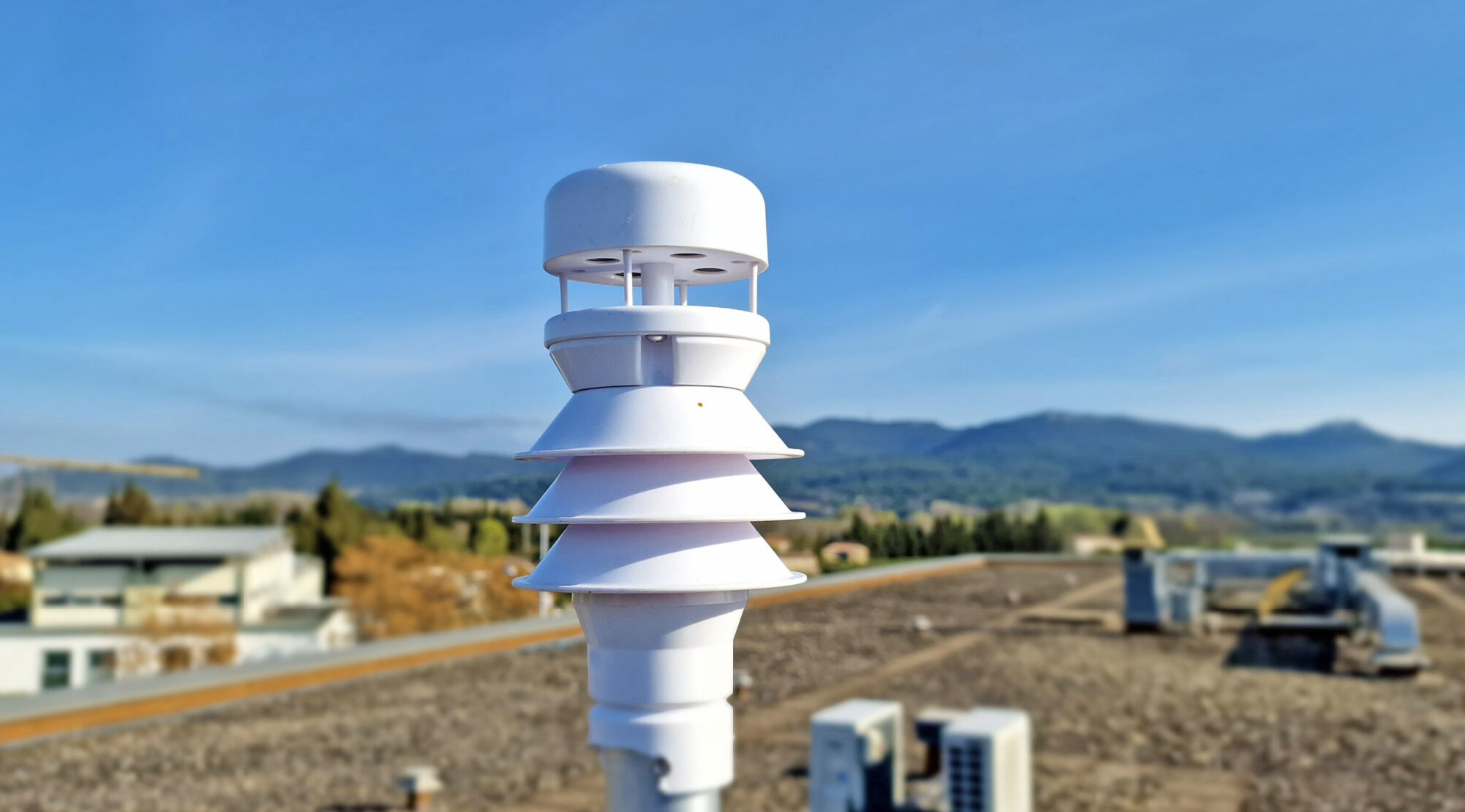
Pollen count measures the concentration of pollen grains per cubic meter of air, typically collected by monitoring stations located 15 meters above ground with a coverage radius of approximately 30 kilometers. When pollen counts are high, allergy sufferers commonly experience symptoms including sneezing, runny nose, itchy eyes, congestion, and respiratory discomfort. Understanding daily pollen levels helps residents plan outdoor activities and manage their allergy symptoms effectively.
Key Pollen Types and Recent Trends in Universal City
Universal City faces three major categories of pollen allergens year-round. Los Angeles County currently registers at pollen level 3, with trees and grasses as the main sources. April, May, and September consistently register the highest annual pollen counts, with tree pollen symptoms reaching extremely high levels during peak season.
- Coast Live Oak Pollen: Most widespread oak allergen in the region, releasing heavy pollen loads from March through May during peak tree season
- Olive Tree Pollen: Ranks among the most potent tree allergens, causing severe asthma symptoms and peaking from April to June in established neighborhoods
- Bermuda Grass Pollen: Dominant grass allergen containing major allergen Cyn d I, peaking in June-July with an extended season through September
- Russian Thistle and Ragweed: Primary weed allergens peaking August through October, with ragweed now established as an invasive species in Los Angeles County
Climate change has significantly impacted pollen seasons in Universal City. Rising average temperatures have extended the allergy season, particularly for pine and cedar, while the urban heat island effect triggers earlier flowering and longer pollen production periods. California's mild winters mean pollen season starts earlier and lasts longer compared to other U.S. states, with some pollen present nearly year-round.
Seasonal Pollen Patterns in Universal City
Universal City experiences distinct pollen seasons throughout the year, though the mild climate creates overlapping allergen periods.
- Winter (January to February): Cedar and juniper trees begin releasing pollen, with early-blooming alder starting in February, marking the beginning of tree pollen season
- Spring (March to May): Peak tree pollen season featuring coast live oak, olive, mulberry, ash, and sycamore with extremely high pollen counts in April and May
- Summer (June to September): Extended grass pollen season dominated by Bermuda grass peaking in June-July, with grass pollen continuing throughout the summer months
- Fall (September to November): Weed pollen season peaks with ragweed, sagebrush, Russian thistle, and mugwort producing particularly high counts from August through October
Access Daily Pollen Data in Universal City
The Pollen Count & Alerts App provides Universal City residents with real-time pollen monitoring specific to the Los Angeles Basin area. Track daily levels of tree, grass, weed pollen, and mold spores to plan your outdoor activities during low-pollen periods. Receive personalized alerts when pollen counts rise to help you take preventive measures before symptoms begin.
Effective Allergy Management Strategies for Universal City Residents
Managing pollen allergies in Universal City's extended allergy season requires a proactive, multi-faceted approach.
- Use the Pollen Count & Alerts App: Monitor real-time pollen levels and receive alerts to plan outdoor activities during low-pollen times, especially avoiding early morning hours on high-risk days
- Maintain Indoor Air Quality: Keep windows and doors closed during peak pollen season, particularly on windy days and during spring tree pollen and fall weed pollen peaks
- Practice Personal Hygiene: Shower and change clothes after coming indoors to remove pollen particles, preventing them from spreading throughout your home and reducing nighttime symptoms
- Install HEPA Air Purifiers: Use high-efficiency particulate air filters in bedrooms and living spaces to remove airborne pollen particles and improve indoor air quality
- Consult an Allergist: Seek professional medical advice for persistent symptoms, especially during extremely high pollen days when outdoor activity should be avoided entirely
Enhance Your Allergy Management with the Pollen Count & Alerts App
The Pollen Count & Alerts App offers comprehensive features designed specifically for Universal City residents to manage year-round pollen exposure.
- Real-Time Pollen Counts: Access the latest pollen data specific to Universal City and the Los Angeles Basin, updated throughout the day as levels fluctuate
- Customized Allergy Alerts: Receive personalized notifications when tree, grass, or weed pollen levels rise based on your specific allergen sensitivities
- Accurate Multi-Day Forecasts: Plan ahead with 5-day pollen forecasts covering oak, olive, Bermuda grass, ragweed, and other local allergens
- Educational Content: Learn about Universal City's unique pollen triggers, including native California sagebrush and introduced species like ragweed
- Intuitive User Interface: Navigate easily through pollen data, seasonal calendars, and allergy management tips designed for the extended California allergy season


Explore More About Seasonal Allergy Management
- Understanding Allergy Pollen Counts: Your Comprehensive Guide – Learn how to interpret pollen count levels and develop effective strategies to minimize your allergy symptoms throughout the year.
- Why Are My Allergies So Bad Right Now? | Pollen Count & Alerts App Blog – Discover the common reasons why your allergies may suddenly intensify, including environmental changes and increased pollen exposure.
- Do Allergies Get Worse as You Age? | Pollen Count & Alerts App Blog – Understand how your body's allergic responses can evolve over time and why new sensitivities may develop as you age.
Stay updated with the latest tips and insights by visiting the Alert Pollen Blog.
Pollen count in nearby cities
FAQ
When is pollen season in Universal City, CA?
Universal City experiences pollen activity nearly year-round due to the region's mild Mediterranean climate. Tree pollen season runs from January through May with peak levels in April and May, when oak and olive trees release heavy pollen loads. Grass pollen dominates from May through September with Bermuda grass peaking in June and July, while weed pollen season occurs from August through October with the highest counts in September.
What are the most common pollen allergens in Universal City, CA?
The most common tree pollen allergens include coast live oak (March-May), olive trees (April-June), mulberry, ash, and sycamore. Bermuda grass is the dominant grass allergen, peaking from June to July and remaining active throughout summer. Major weed allergens include Russian thistle, ragweed, mugwort, and California sagebrush, which peak from August through October with particularly high levels in September and November.
How can I protect myself from pollen allergies in Universal City?
During extremely high pollen days, take allergy medication and avoid all outdoor activity, especially in early morning hours when pollen counts peak. Keep windows and doors closed on windy days and during peak season, and shower and change clothes immediately after coming indoors to remove pollen particles. The Pollen Count & Alerts App provides real-time pollen forecasts so you can plan your activities around low-pollen periods.
Final Thoughts
Living in Universal City means navigating pollen challenges nearly year-round, from oak and olive trees in spring to Bermuda grass in summer and ragweed in fall. However, with accurate information about local pollen patterns and the right tools, you can take control of your allergy symptoms. The Pollen Count & Alerts App empowers you with real-time data specific to Universal City, helping you make informed decisions about your daily activities.
Download the Pollen Count & Alerts App today to receive personalized pollen alerts and stay one step ahead of allergy season. With accurate forecasts tailored to your location, you can plan your outdoor activities with confidence and breathe easier all year long.
Take Control of Your Allergies Today
The Pollen Count & Alerts App provides real-time pollen counts, personalized allergy alerts, and comprehensive forecasts specifically for Universal City and the Los Angeles area. Get accurate, localized information about oak, olive, Bermuda grass, and ragweed pollen levels so you can plan your day with confidence. Download now and experience the difference that precise pollen tracking can make in managing your seasonal allergies.