Duluth, Minnesota, sits along the western shore of Lake Superior, where the lake's moderating influence creates unique pollen patterns throughout the year. The city experiences tree pollen peaks in May, grass pollen dominance in June and July, and ragweed challenges from August through October. This article provides comprehensive information about Duluth's pollen types, seasonal patterns, climate change impacts, and practical strategies for managing your allergies.
Understanding Pollen Count in Duluth
Pollen count measures the number of pollen grains per cubic meter of air, indicating how much allergen is present in the atmosphere. When pollen counts are high, allergy sufferers commonly experience sneezing, congestion, itchy eyes, runny nose, and respiratory symptoms. In Duluth, seasonal allergic rhinitis and asthma exacerbations are the primary health concerns, affecting 7.4% of adults and 6.4% of children in Minnesota.
Key Pollen Types and Recent Trends in Duluth
Duluth's allergy season has undergone significant changes in recent decades due to climate change and environmental factors. Over the past 55 years, the allergy season has extended by more than 5 weeks, with plants producing more pollen due to increased CO₂ levels and longer growing seasons. Historical monitoring data from Minnesota's Clinical Research Institute (1993-2020) shows a general upward trend in elevated tree and weed pollen days, with substantial year-to-year variation depending on weather patterns.
- Tree Pollen (Oak, Birch, Maple): Peaks in May with species including northern red oak, paper birch, and sugar maple contributing the highest allergen loads during spring
- Grass Pollen (Kentucky Bluegrass, Timothy): Dominates June and July with peak concentrations from common lawn and prairie grasses throughout the region
- Ragweed Pollen: Highly allergenic weed pollen expanding into northern latitudes, now affecting Duluth from early August through mid-October with increasing intensity
- Wormwood and Sagebrush: Additional fall allergens contributing to the extended weed pollen season alongside ragweed
Lake Superior's influence creates a unique microclimate in Duluth, with lake breezes periodically dispersing pollen accumulation and delaying spring onset compared to inland areas. However, pollen can travel 100-150 miles, meaning allergens from Minneapolis and surrounding Minnesota woodlands regularly affect the Duluth area.
Seasonal Pollen Patterns in Duluth
Duluth experiences distinct pollen seasons throughout the year, with each bringing different allergen challenges.
- Spring (Late March to Late May): Dominated by tree pollen from oak, birch, maple, ash, willow, and pine, with May as the peak month for allergic symptoms
- Summer (Early June to Late July): Characterized by grass pollen from Kentucky bluegrass, timothy grass, ryegrass, orchard grass, and fescue reaching peak levels
- Fall (Mid-June to Mid-October): Weed pollen season led by highly allergenic ragweed from early August through October, ending with the first hard frost
- Winter (November to Early March): Minimal outdoor pollen activity, though indoor allergens like mold spores and dust mites may still trigger symptoms
Access Daily Pollen Data in Duluth
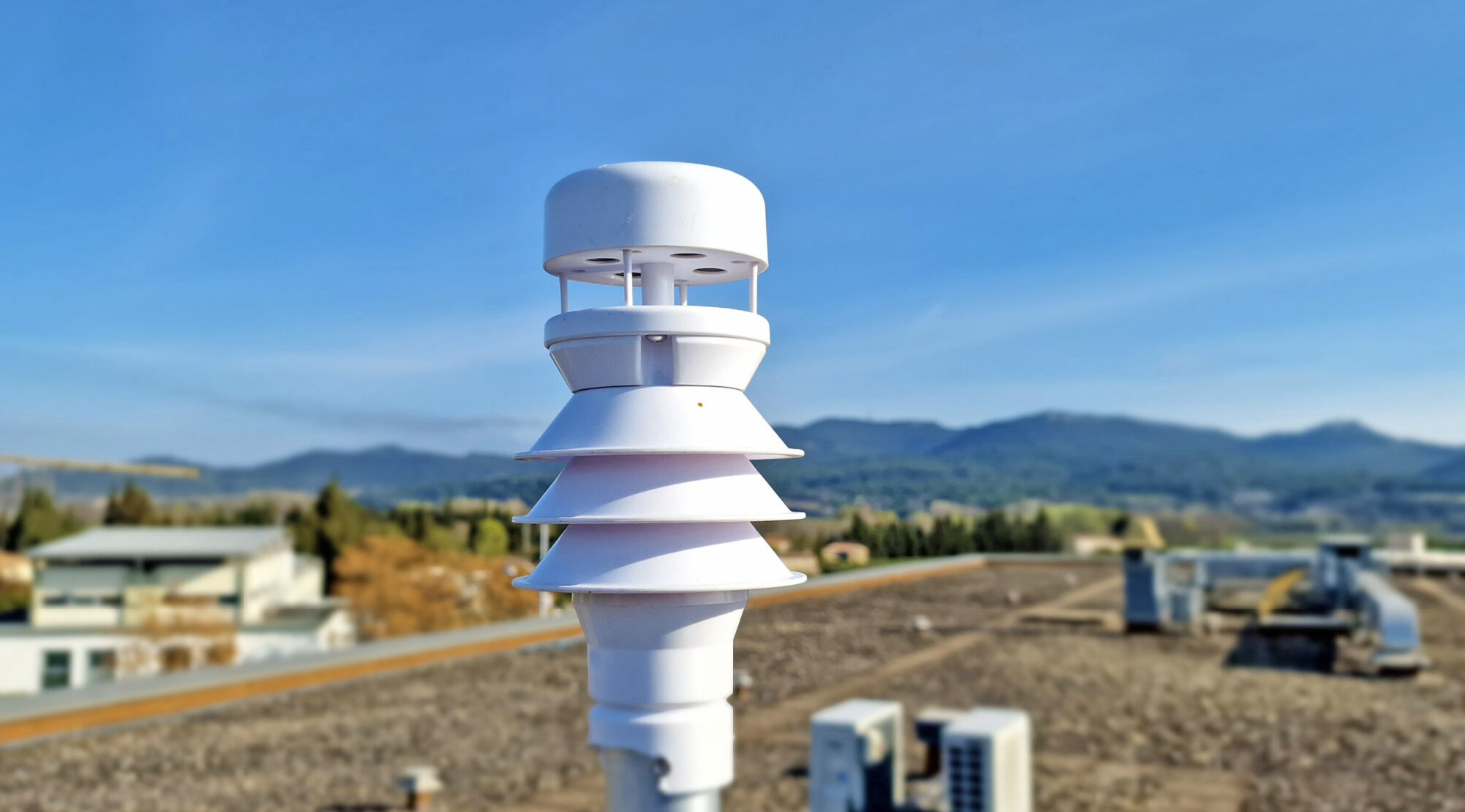
The Pollen Count & Alerts App provides real-time pollen monitoring specifically for Duluth, tracking tree, grass, weed, and mold spore levels throughout the day. Since Duluth no longer has a dedicated pollen monitoring station after Minnesota's official monitoring was discontinued in 2022, the app uses regional data and advanced modeling to deliver accurate local forecasts. Stay informed about daily pollen conditions to plan your outdoor activities during low-pollen times and minimize allergy symptoms.
Effective Allergy Management Strategies for Duluth Residents
Managing pollen allergies requires proactive planning and daily awareness of allergen levels.
- Use the Pollen Count & Alerts App: Monitor real-time pollen levels and receive personalized alerts to plan outdoor activities during low-pollen periods
- Improve Indoor Air Quality: Keep windows closed during peak pollen hours, especially on windy days when Lake Superior breezes can carry allergens inland
- Practice Personal Hygiene: Shower and wash hair before bed to remove pollen from skin and hair, and change clothes after spending time outdoors
- Install HEPA Air Purifiers: Use high-efficiency particulate air filters in bedrooms and living spaces to remove pollen particles from indoor air
- Consult an Allergist: Work with a healthcare professional to identify specific allergens through testing and develop a personalized treatment plan including medications or immunotherapy
App Features to Enhance Your Allergy Management
The Pollen Count & Alerts App offers comprehensive tools to help Duluth residents navigate allergy season with confidence.
- Real-Time Pollen Counts: Access the latest pollen data specific to Duluth and surrounding areas, updated throughout the day
- Customized Alerts: Receive notifications when pollen levels exceed your personal thresholds for tree, grass, or weed allergens
- Accurate Forecasts: View multi-day pollen predictions to plan outdoor activities, travel, and medication schedules in advance
- Educational Content: Learn about specific allergens affecting Duluth, including oak, birch, ragweed, and grass pollen, with expert health tips
- Intuitive Design: Navigate the app easily with user-friendly interfaces displaying pollen trends, historical data, and seasonal patterns


Explore More on Managing Seasonal Allergies
- Understanding Allergy Pollen Counts: Your Comprehensive Guide – Learn how to interpret pollen count levels and develop effective strategies to minimize your allergy symptoms throughout the year.
- Why Are My Allergies So Bad Right Now? | Pollen Count & Alerts App Blog – Discover the environmental and biological factors that can cause your seasonal allergies to intensify unexpectedly.
- Do Allergies Get Worse as You Age? | Pollen Count & Alerts App Blog – Understand how your body's immune response to allergens evolves over time and what changes to expect as you age.
Stay updated with the latest tips and insights by visiting the Alert Pollen Blog.
Pollen count in nearby cities
FAQ
When is pollen season in Duluth, MN?
Pollen season in Duluth spans from late March through mid-October, with three distinct peaks. Tree pollen (oak, birch, and maple) dominates in May, grass pollen peaks in June and July, and ragweed pollen is highest from early August through October. The most intense allergy periods are typically May, June, and September.
What are the most common allergens in Duluth, MN?
The most common allergens in Duluth include tree pollen from northern red oak, paper birch, sugar maple, and red maple peaking in May; grass pollen from Kentucky bluegrass, timothy grass, and ryegrass dominating June through July; and weed pollen, particularly ragweed, which is highly allergenic from early August through mid-October. Other significant contributors include ash, willow, juniper, pine, and various prairie grasses native to the region.
How can I protect myself from pollen in Duluth with Lake Superior's weather patterns?
While Lake Superior's breezes can help disperse pollen, they can also bring in allergens from surrounding woodlands, so monitoring daily pollen counts is essential. Use the Pollen Count & Alerts App to receive personalized alerts for high pollen days, allowing you to plan outdoor activities when levels are lower. On peak days, keep windows closed, shower after being outdoors, and limit time outside during early morning hours when pollen release is highest.
Final Thoughts
Living in Duluth means navigating three distinct pollen seasons influenced by both northern forests and Lake Superior's unique climate. While climate change has extended the allergy season by over five weeks in recent decades, being informed about local pollen patterns empowers you to take control of your health. The Pollen Count & Alerts App provides the real-time data you need to stay one step ahead of allergens.
Don't let pollen dictate your outdoor plans in Duluth. Download the Pollen Count & Alerts App today to receive personalized forecasts and alerts tailored to your location.
Take Control of Your Allergies Today
The Pollen Count & Alerts App gives you access to real-time pollen counts, personalized alerts for your specific allergens, and comprehensive forecasts for Duluth and surrounding areas. With accurate, localized data at your fingertips, you can plan your days with confidence and minimize allergy symptoms. Download now and breathe easier all season long.