Fargo, North Dakota sits in the fertile Red River Valley, where a continental climate and rich agricultural landscape create distinct seasonal pollen patterns. The region experiences three robust allergy seasons with tree pollen peaking in April and May, grass pollen dominating June and July, and ragweed extending through fall from August to October. This guide provides essential information about pollen types, seasonal trends, climate impacts, and practical strategies for managing allergies in the Fargo area.
Understanding Pollen Count in Fargo, ND
Pollen count measures the concentration of pollen grains per cubic meter of air, indicating allergen exposure levels throughout the day. When pollen counts are high, individuals with allergies commonly experience symptoms such as sneezing, nasal congestion, itchy eyes, throat irritation, and asthma exacerbations. Monitoring daily pollen levels helps residents and visitors plan outdoor activities and manage their allergy symptoms effectively.
Key Pollen Types and Climate Change Trends in Fargo
Fargo experiences significant seasonal pollen from trees, grasses, and weeds, with climate change dramatically impacting allergy season duration. The most notable trend involves ragweed, the area's primary fall allergen, which now produces pollen for 21 additional days compared to historical patterns due to later fall frost dates and warmer temperatures.
- Ragweed Pollen: Pollen season has extended by 21 days due to climate change, with peak intensity in late August through September
- Tree Pollen: Cottonwood, poplar, oak, birch, elm, maple, and ash dominate spring allergy season from March through May
- Grass Pollen: Timothy grass, Kentucky bluegrass, ryegrass, and fescue peak during June and July's warm, sunny conditions
- Agricultural Pollen: Corn and other crops contribute to summer pollen load throughout the Red River Valley's extensive farmland
The Red River Valley's extremely flat terrain and rich glacial soil support diverse plant populations, while higher humidity compared to western North Dakota can intensify pollen dispersal on warm, windy days. Climate factors including rising CO2 levels and extended frost-free periods are causing some plants to produce greater quantities of pollen, making northern regions like Fargo particularly susceptible to dramatic season extensions.
Seasonal Pollen Patterns in Fargo, ND
Fargo's allergy calendar follows three distinct pollen seasons, with a winter break from November through February.
- Spring (March to May): Tree pollen from cottonwood, poplar, oak, birch, elm, maple, and ash peaks in April and May
- Summer (May to July): Grass pollen including timothy, Kentucky bluegrass, ryegrass, and fescue dominates with peak levels in June and July
- Fall (August to October): Ragweed, sagebrush, wormwood, Russian thistle, and other weed pollen peak in September, extending through the first hard frost
- Winter (November to February): Extended winter break provides relief from seasonal outdoor allergens
Access Daily Pollen Data for Fargo, ND
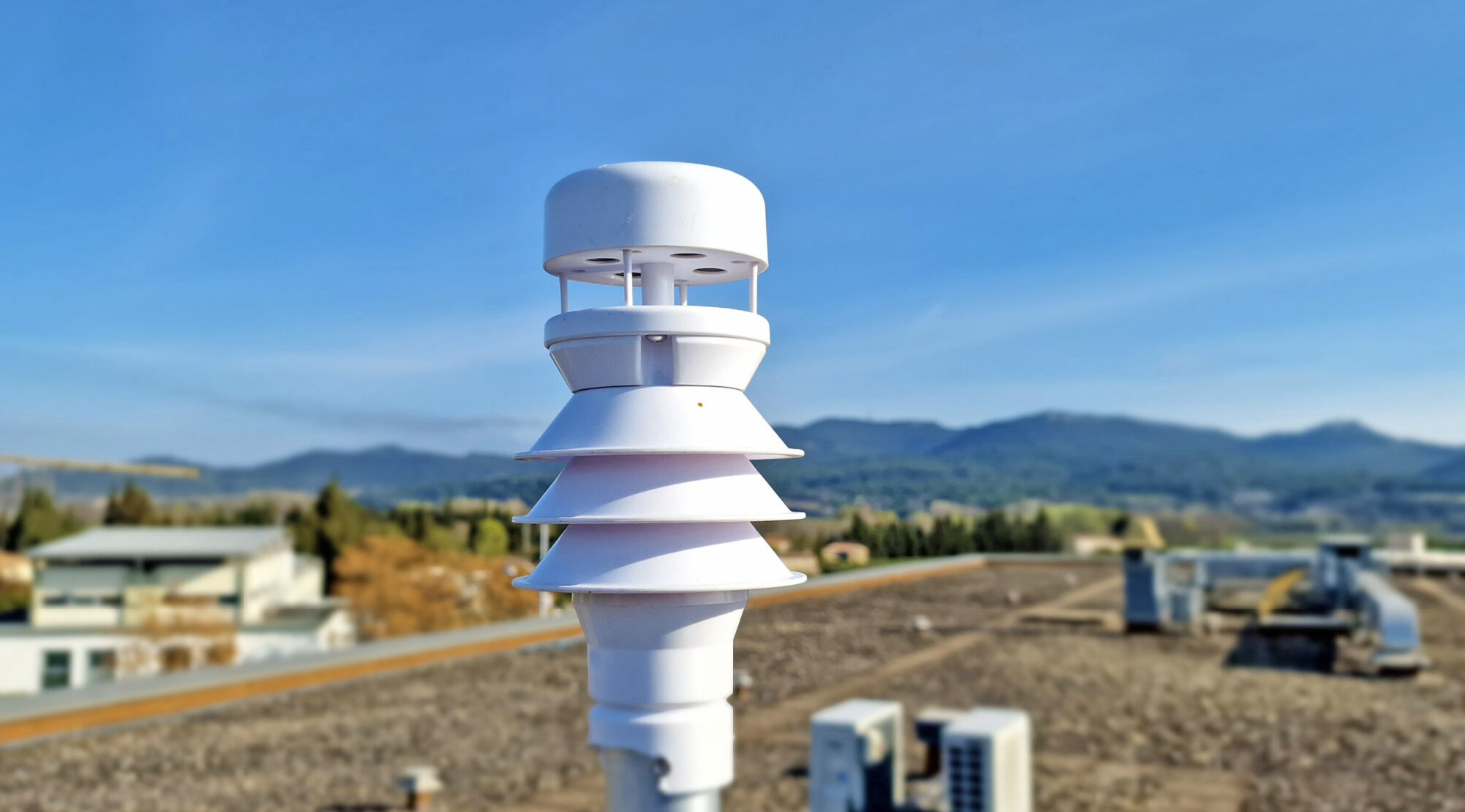
The Pollen Count & Alerts App provides real-time pollen monitoring specifically for the Fargo area, tracking tree, grass, weed, and mold spore levels throughout the day. With automated data from advanced particulate sensors using neural network technology, you receive accurate, location-specific pollen counts to help plan your outdoor activities during low-pollen periods. Stay informed with customized alerts when pollen levels spike during peak allergy months of April, May, June, and September.
Effective Allergy Management Strategies for Fargo Residents
These practical strategies help minimize pollen exposure and reduce allergy symptoms throughout Fargo's three-season allergy calendar.
- Use the Pollen Count & Alerts App: Monitor real-time pollen levels and receive alerts to plan outdoor activities during low-pollen times
- Improve Indoor Air Quality: Keep windows closed during peak pollen hours, run air conditioning with clean filters, and reduce indoor allergen accumulation
- Practice Personal Hygiene: Shower and change clothes after outdoor exposure, especially during warm, humid, windy conditions that increase airborne pollen
- Install HEPA Air Purifiers: Use high-efficiency particulate air filters in bedrooms and main living areas to remove pollen particles from indoor air
- Consult an Allergist: Seek professional evaluation for persistent symptoms, consider immunotherapy options, and develop a personalized treatment plan for Fargo's extended ragweed season
Pollen Count & Alerts App Features for Enhanced Allergy Management
The Pollen Count & Alerts App offers comprehensive tools designed specifically to help Fargo residents navigate tree, grass, and ragweed allergy seasons.
- Real-Time Pollen Counts: Access the latest pollen data specific to Fargo from automated sensors using advanced neural network algorithms
- Customized Pollen Alerts: Receive notifications when pollen levels rise, especially during peak months of April, May, June, and September
- Accurate Seasonal Forecasts: Plan ahead with multi-day pollen forecasts covering tree, grass, weed, and mold spore predictions
- Educational Allergen Content: Learn about local pollen types including ragweed, cottonwood, timothy grass, and other Red River Valley allergens
- Intuitive User Interface: Navigate easily between daily counts, weekly trends, and personalized allergy management recommendations


Explore More on Managing Seasonal Allergies
- Understanding Allergy Pollen Counts: Your Comprehensive Guide – Learn how to interpret pollen count levels and develop effective strategies to minimize your exposure during peak allergy seasons.
- Why Are My Allergies So Bad Right Now? | Pollen Count & Alerts App Blog – Discover the factors that can cause your seasonal allergies to intensify unexpectedly, including weather patterns and environmental changes.
- Do Allergies Get Worse as You Age? | Pollen Count & Alerts App Blog – Understand how your body's allergic responses evolve over time and what to expect as you age.
Stay updated with the latest tips and insights by visiting the Alert Pollen Blog.
Pollen count in nearby cities
FAQ
When is pollen season in Fargo, ND?
Pollen season in Fargo typically runs from March through late October, with three distinct phases. Tree pollen peaks in April and May, grass pollen dominates June and July, and weed pollen (especially ragweed) is most intense from late August through September. The overall peak allergy months are April, May, June, and September, when pollen counts are highest.
What are the most common allergens in Fargo, ND?
The most common allergens in Fargo include cottonwood, poplar, oak, elm, birch, and maple trees in spring (March-May), Timothy grass, Kentucky bluegrass, and ryegrass in summer (May-July), and ragweed, sagebrush, and Russian thistle in fall (August-October). Ragweed is the primary fall allergen, causing the most intense reactions from late August through September. Due to climate change, the ragweed season has extended by 21 days in the Fargo area, primarily from later fall frosts.
How can the Pollen Count & Alerts App help me manage allergies in Fargo?
The Pollen Count & Alerts App provides real-time pollen counts and personalized alerts specific to Fargo's unique three-season allergy pattern, helping you plan outdoor activities around peak pollen times. By tracking local conditions during Fargo's extended ragweed season and high tree and grass pollen periods, you can take preventive measures before symptoms start. The app's forecasts allow you to prepare for high pollen days, especially during the peak months of April, May, June, and September.
Final Thoughts
Living in Fargo means navigating a robust three-season allergy pattern intensified by the Red River Valley's fertile landscape and continental climate. With the right information and tools like the Pollen Count & Alerts App, you can stay ahead of pollen spikes and minimize discomfort throughout the extended allergy season. Understanding your local pollen calendar empowers you to take control of your seasonal allergies.
Download the Pollen Count & Alerts App today to receive real-time updates tailored to Fargo's unique pollen patterns and protect your health year-round.
Take Control of Your Allergies Today
The Pollen Count & Alerts App gives you access to real-time pollen counts, personalized alerts for Fargo's tree, grass, and weed seasons, and comprehensive forecasts to help you plan your days. Whether you're dealing with cottonwood in spring, grass pollen in summer, or the extended ragweed season in fall, stay informed and breathe easier. Download the app now and experience the difference that accurate, localized pollen data can make.