Boise, Idaho, sits in the northern Great Basin along the Boise River, surrounded by expansive grasslands and native sagebrush ecosystems. This unique geographic location combined with a dry climate has earned Boise the unfortunate distinction as the number one worst city in the United States for pollen allergies, according to the Asthma and Allergy Foundation of America. With an extended allergy season spanning eight-plus months from late February through October, residents face relentless exposure to tree, grass, and weed pollen. This article provides comprehensive information about pollen types, seasonal patterns, local monitoring resources, and practical strategies to manage allergies in Boise.
Understanding Pollen Count in Boise
Pollen count measures the concentration of pollen grains per cubic meter of air over a 24-hour period. When sagebrush counts exceed 100 grains per cubic meter, residents typically experience moderate to severe allergy symptoms, and peak counts can reach 400-500 grains during ideal conditions. Common symptoms during high pollen days include nasal congestion, sneezing, itchy watery eyes, asthma exacerbations, and chronic sinusitis, with symptoms typically worst during morning hours from dawn to 10 AM when pollen release peaks.
Key Pollen Types in Boise: Why It's America's Worst Allergy City
Boise's ranking as the nation's worst city for pollen allergies stems from its unique combination of abundant native sagebrush, extensive river corridor vegetation, and urban landscaping that produces year-round allergen exposure. The ranking considers pollen scores, over-the-counter medication use, and limited access to allergy specialists, with only 0.67 allergists per 100,000 people compared to the national average of 1.1. The most problematic pollen types include sagebrush with 36 species thriving in Idaho's dry climate, ragweed capable of producing up to 1 billion grains per plant, and cottonwood trees dominating waterways throughout the Treasure Valley.
- Sagebrush Pollen: Peak counts reach 400-500 grains per cubic meter during ideal conditions from mid-August through September in Idaho's native Great Basin ecosystem
- Ragweed Pollen: Dominates late summer and fall with individual plants producing up to 1 billion pollen grains that trigger severe allergic rhinitis and asthma
- Juniper and Cottonwood Pollen: Early spring offenders that reach extremely high counts during dry springs, with cottonwood abundant in river corridors
- Grass Pollen: Peaks in June with ryegrass, Kentucky bluegrass, and orchard grass thriving in Boise's expansive fields and urban lawns
Boise's dry climate exacerbates symptoms by facilitating wind-dispersed pollen over long distances, while hot, dry, windy weather creates ideal conditions for pollen production and distribution. Valley inversions during fall months trap pollen and worsen respiratory conditions, particularly affecting individuals with asthma and chronic obstructive pulmonary disease. The combination of geographic factors, climate patterns, and urbanization with extensive landscape trees creates a perfect storm for prolonged allergen exposure throughout most of the year.
Seasonal Pollen Patterns in Boise
Boise experiences distinct pollen seasons with peak intensity varying by allergen type throughout the year.
- Spring (Late February to May): Dominated by tree pollen from juniper, cottonwood, maple, willow, ash, elm, and poplar, with April representing the worst month for tree pollen exposure
- Summer (June to August): Peak grass pollen season with ryegrass, Kentucky bluegrass, Bermuda grass, orchard grass, timothy grass, and fescue reaching highest counts in June
- Fall (Mid-August to October): Weed pollen dominates with sagebrush peaking from mid-August through September and ragweed extending into fall, with September as the worst month for weed allergies
- Winter (November to February): Provides a brief respite from outdoor pollen, though cold winters with substantial precipitation create ideal conditions for indoor mold growth
Access Daily Pollen Data in Boise
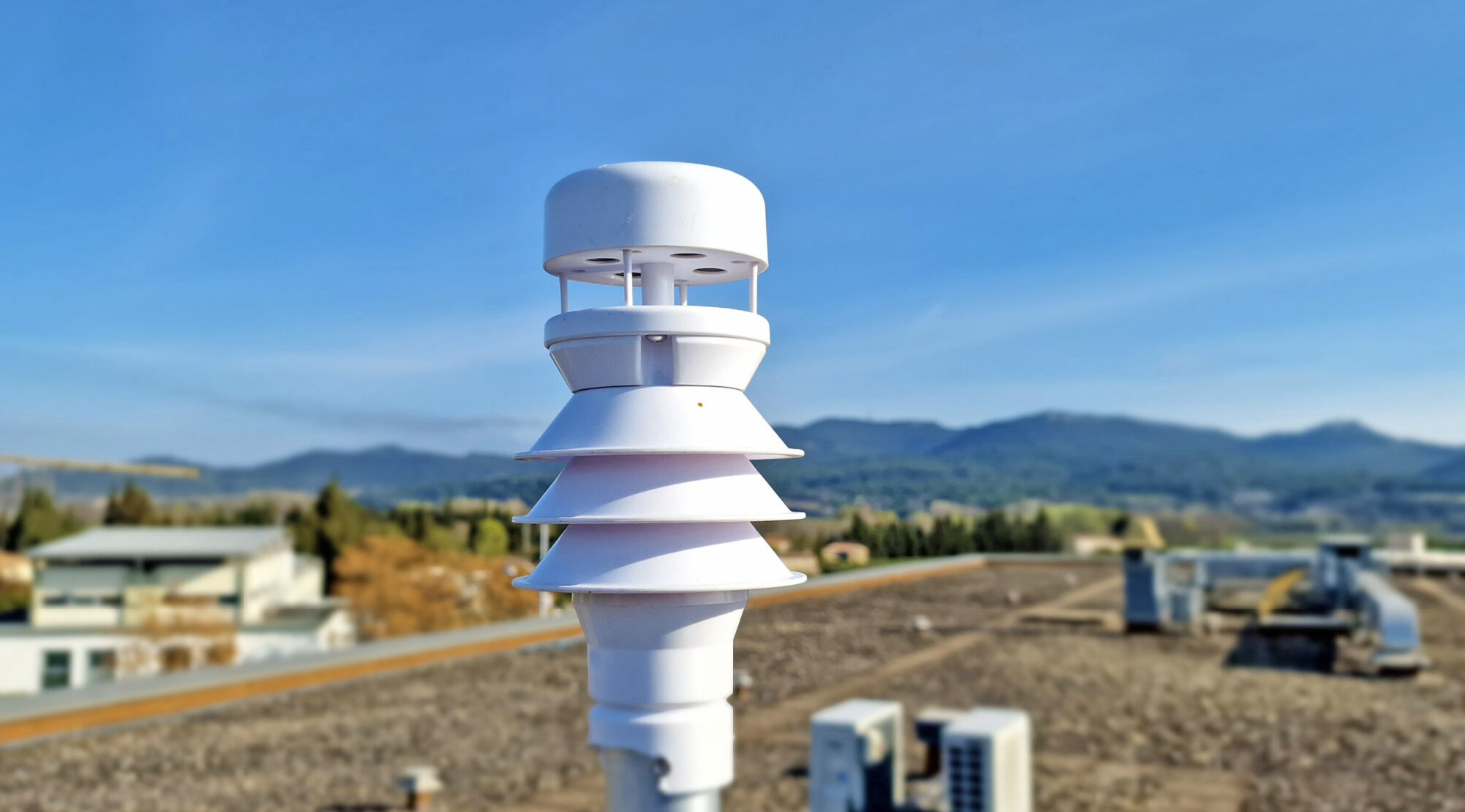
The Pollen Count & Alerts App provides real-time pollen monitoring specifically for Boise, tracking tree, grass, weed, and mold spore counts throughout the extended allergy season. With data collected from automated particulate sensors using AI algorithms to identify individual species, you receive accurate daily counts and forecasts tailored to your location. Stay informed about current conditions and receive personalized alerts so you can plan outdoor activities during low-pollen periods and take preventive measures before symptoms start.
Effective Allergy Management Strategies for Boise Residents
Managing allergies in America's worst city for pollen requires proactive strategies and daily monitoring.
- Use the Pollen Count & Alerts App: Monitor real-time pollen levels and receive alerts to plan outdoor activities during low-pollen times, especially avoiding dawn to 10 AM when counts peak
- Maintain Indoor Air Quality: Keep windows closed during high pollen days, particularly on hot, dry, windy days, and during morning hours when pollen release is highest
- Practice Personal Hygiene: Shower and change clothes after outdoor exposure to remove pollen from hair and skin, and wash bedding weekly in hot water
- Install HEPA Air Purifiers: Use high-efficiency particulate air filters in bedrooms and main living areas to capture airborne pollen and reduce indoor allergen levels
- Consult a Board-Certified Allergist: Seek professional evaluation for immunotherapy or prescription medications, though wait times may be longer given Boise's limited access to specialists
Enhance Your Allergy Management with Pollen Count & Alerts App
The Pollen Count & Alerts App offers comprehensive features designed specifically for managing allergies in high-pollen environments like Boise.
- Real-Time Pollen Counts: Access the latest pollen data specific to Boise with species-level identification from automated sensors using neural network algorithms
- Customized Alerts: Receive personalized notifications when pollen levels for your specific allergens reach thresholds that trigger your symptoms
- Accurate Forecasts: View current conditions and 5-day forecasts for tree, grass, weed, and mold spore counts to plan your week ahead
- Educational Content: Learn about local allergens including sagebrush, ragweed, juniper, cottonwood, and grass species prevalent in the Treasure Valley
- Intuitive Design: Navigate easily through daily counts, seasonal trends, and historical data with a user-friendly interface optimized for quick pollen checks


Learn More About Managing Your Allergies
- Understanding Allergy Pollen Counts: Your Comprehensive Guide – Discover how to interpret pollen count levels and develop effective strategies to minimize your exposure and symptoms throughout the year.
- Why Are My Allergies So Bad Right Now? | Pollen Count & Alerts App Blog – Understand the factors that can cause your allergies to suddenly intensify, from climate changes to new environmental exposures.
- Do Allergies Get Worse as You Age? | Pollen Count & Alerts App Blog – Learn how your body's response to allergens evolves over time and what you can do to adapt your allergy management approach.
Stay updated with the latest tips and insights by visiting the Alert Pollen Blog.
Pollen count in nearby cities
FAQ
When is pollen season in Boise, ID?
Pollen season in Boise runs from late February through late October, making it one of the longest allergy seasons in the United States. Tree pollen peaks in April with juniper and cottonwood, grass pollen dominates June, and weed pollen (especially sagebrush and ragweed) reaches its height in September. The season only ends after the first frost in late October, giving residents minimal relief during the year.
What are the most common allergens in Boise, ID?
Boise's most common allergens include juniper and cottonwood trees in spring (March-May), ryegrass and Kentucky bluegrass in summer (June-August), and sagebrush and ragweed in fall (August-October). Sagebrush is particularly problematic, with 36 species native to Idaho and peak counts reaching 400-500 grains per cubic meter during ideal conditions. Other significant allergens include maple, willow, ash, Russian thistle, and pigweed, all thriving in Boise's dry climate and diverse landscape.
How can I protect myself from Boise's high pollen counts?
Monitor daily pollen counts through the Pollen Count & Alerts App and limit outdoor activities during peak pollen hours (dawn to 10 AM) on dry, windy days. Stay indoors when counts are elevated, keep windows closed during high-pollen seasons, and shower after spending time outside to remove pollen from hair and skin. Given that Boise ranks as the worst city in America for pollen allergies, staying informed and taking preventive measures is essential for managing symptoms.
Final Thoughts
Living in Boise means facing one of the most challenging pollen environments in the United States, with an extended season spanning eight months and extremely high allergen counts. However, armed with accurate information about peak pollen periods and the right tools to track daily counts, you can take control of your allergy symptoms. The Pollen Count & Alerts App provides the real-time data you need to plan your days and protect your health.
Don't let Boise's pollen season catch you off guard. Download the Pollen Count & Alerts App today to receive personalized alerts and stay one step ahead of allergens.
Take Control of Your Allergies Today
The Pollen Count & Alerts App delivers real-time pollen counts specific to Boise, personalized alerts based on your sensitivities, and comprehensive forecasts to help you plan ahead. Whether you're dealing with spring tree pollen, summer grasses, or fall sagebrush, our app gives you the information you need to minimize symptoms and enjoy life. Download now and breathe easier.