West Bromwich, located in the West Midlands conurbation approximately 163km northwest of London, experiences a challenging pollen environment shaped by its urban setting and central England climate. The city faces a prolonged pollen season from January through September, with tree pollen peaking in April-May, grass pollen dominating mid-June to mid-July, and weed pollen extending into autumn. This guide provides essential information about pollen types, seasonal patterns, and practical strategies to help West Bromwich residents manage allergies throughout the year.
Understanding Pollen Count in West Bromwich
Pollen count measures the number of pollen grains per cubic meter of air, indicating allergy risk levels for residents. When counts are high, particularly during peak birch season in April-May or grass season in June-July, individuals may experience sneezing, itchy eyes, nasal congestion, wheezing, and respiratory symptoms. West Bromwich's urban air pollution can further exacerbate these symptoms by enhancing the allergenic potential of pollen grains.
Key Pollen Trends Affecting West Bromwich
West Bromwich residents are experiencing increasing pollen severity, particularly from tree species. The West Midlands region shows pronounced trends for birch and alder pollen, which are expected to continue increasing over the next two decades. Understanding these specific allergens helps residents prepare for high-risk periods throughout the extended pollen season.
- Birch Pollen: Highly allergenic tree pollen peaking late March to mid-May with very high risk levels, showing increasing severity trends in the West Midlands
- Grass Pollen: Affects approximately 95% of hay fever sufferers, with peak concentrations from early June to early July and the highest levels occurring mid-June
- Nettle and Plantain Pollen: Common weed allergens peaking May through August, with English plantain being the most highly allergenic weed species
- Oak and Ash Pollen: Significant tree allergens with oak peaking mid-April to late May and ash peaking in April, contributing to extended tree pollen season
Climate change is causing pollen seasons to start earlier each year across the West Midlands, with the 2026 season beginning earlier than average. Hospital visits for pollen-induced allergic rhinitis have increased twentyfold from 2002/03 to 2023/24, reflecting the growing impact on public health. West Bromwich's urban heat island effect can extend pollen seasons further, with temperatures above 15°C triggering early grass pollen release.
Seasonal Pollen Patterns in West Bromwich
West Bromwich experiences distinct pollen patterns across four seasons, with varying allergen types and intensity levels.
- Winter to Early Spring (January to March): Hazel and alder pollen begin the season, with alder reaching high risk early February through late March as the first major allergen challenge
- Spring (April to May): Dominated by highly allergenic birch pollen reaching very high levels late March to mid-May, accompanied by ash, plane, and oak tree pollen at moderate to high risk
- Summer (June to August): Peak grass pollen season with very high risk early June to early July and highest concentrations mid-June, affecting 95% of hay fever sufferers, plus nettle and plantain weed pollen
- Autumn (September): Low levels of late-season grass pollen persist through September, with mugwort and ragweed weed pollen active in late summer extending into early autumn
Access Daily Pollen Data for West Bromwich
The Pollen Count & Alerts App provides West Bromwich residents with real-time pollen monitoring tailored to your location. Track tree, grass, weed, and mold spore levels daily to plan outdoor activities during low-pollen periods and minimize allergy symptoms. Stay informed with accurate forecasts specific to the West Midlands region throughout the extended pollen season.
Effective Allergy Management Strategies for West Bromwich
Implementing practical strategies can significantly reduce pollen exposure and alleviate allergy symptoms during high-count periods.
- Use the Pollen Count & Alerts App: Monitor real-time pollen levels and receive alerts to plan outdoor activities during low-pollen times and avoid peak exposure periods
- Maintain Indoor Air Quality: Keep windows closed during high pollen days, particularly mid-June when grass pollen reaches highest concentrations, and during birch season in April-May
- Practice Personal Hygiene: Shower and change clothes after outdoor activities to remove pollen grains, and avoid drying laundry outside during peak seasons
- Install HEPA Air Purifiers: Use high-efficiency particulate air filters indoors to remove pollen and reduce combined exposure to urban air pollution particles
- Consult an Allergist: Seek professional advice for personalized treatment plans, especially important given that over 40% of allergic rhinitis patients have concurrent asthma
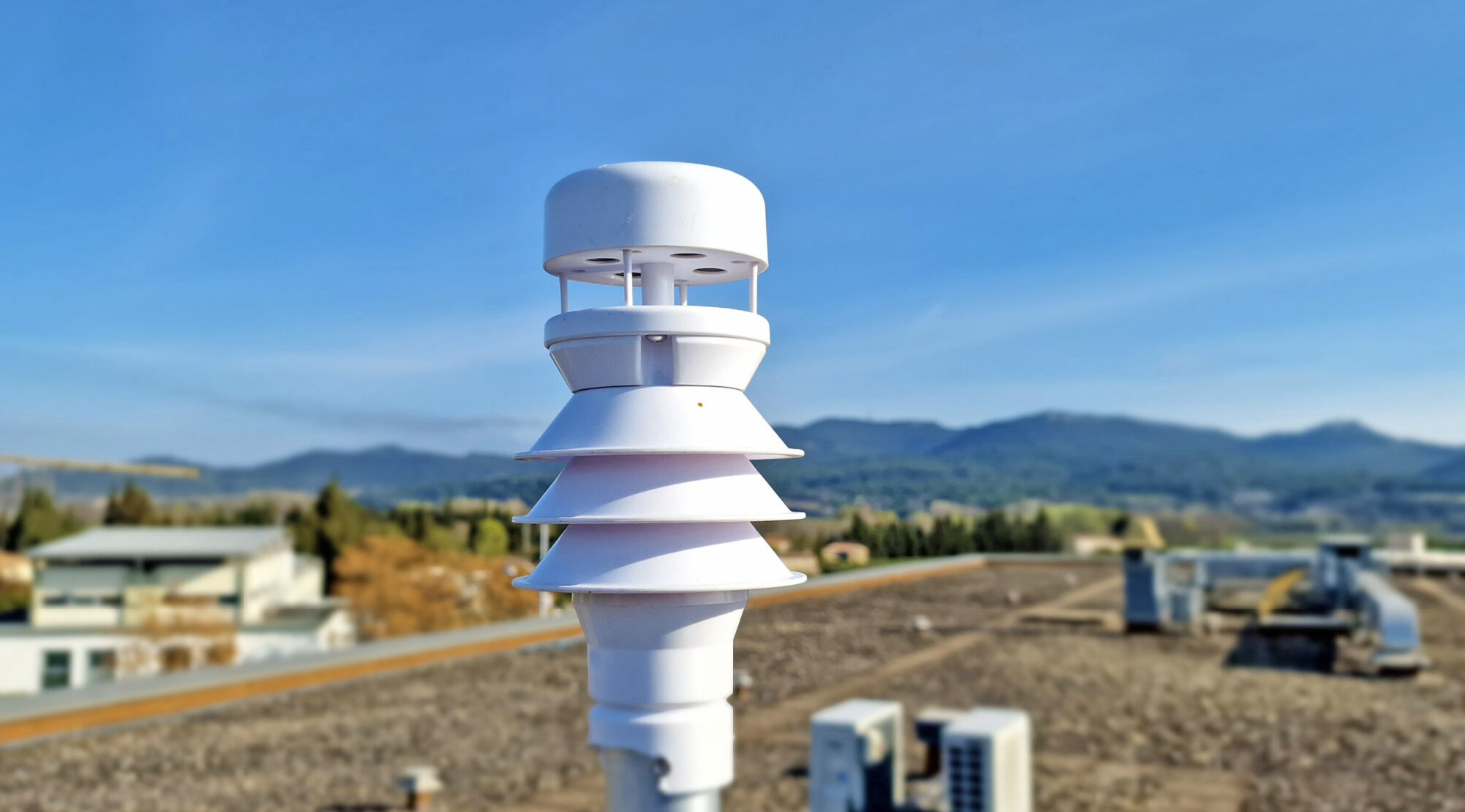
App Features to Enhance Your Allergy Management
The Pollen Count & Alerts App offers comprehensive tools designed specifically to help West Bromwich residents navigate the prolonged pollen season effectively.
- Real-Time Pollen Counts: Access the latest pollen data specific to West Bromwich and the West Midlands region, updated daily throughout the January to September season
- Customized Alerts: Receive notifications when pollen levels spike for birch, grass, or weed species that trigger your specific allergies
- Accurate Forecasts: Plan ahead with reliable five-day pollen forecasts powered by Met Office and University of Worcester data for the West Midlands
- Educational Content: Learn about the 150 grass species, allergenic trees like birch and oak, and weed allergens affecting your area throughout different seasons
- Intuitive Design: Navigate easily through tree, grass, and weed pollen tracking with a user-friendly interface designed for quick daily checks


Explore More on Managing Seasonal Allergies
- Understanding Allergy Pollen Counts: Your Comprehensive Guide – Learn how to interpret pollen count levels and develop effective strategies to minimize your exposure during peak allergy seasons.
- Why Are My Allergies So Bad Right Now? | Pollen Count & Alerts App Blog – Discover the reasons why your allergy symptoms may suddenly intensify, including climate change impacts and urban pollution factors.
- Do Allergies Get Worse as You Age? | Pollen Count & Alerts App Blog – Understand how your allergic sensitivities can evolve throughout your lifetime and what you can do to adapt your management approach.
Stay updated with the latest tips and insights by visiting the Alert Pollen Blog.
Pollen count in nearby cities
FAQ
When is pollen season in West Bromwich?
Pollen season in West Bromwich runs from January through September, with three distinct phases. Tree pollen dominates from January to July, with birch peaking in late March to mid-May. Grass pollen, which affects 95% of hay fever sufferers, peaks from early June to early July. Weed pollen is most active during late summer, from July through September.
What are the most common allergens in West Bromwich?
The most common allergens in West Bromwich are grass pollen (affecting approximately 95% of hay fever sufferers), birch trees (Betula pendula, highly allergenic and peaking late March to mid-May), oak trees (mid-April to late May), and alder trees (early February to late March). English plantain (Plantago lanceolata) is the most allergenic weed species, peaking from May to August, while nettle pollen peaks in June.
How can I protect myself from pollen in West Bromwich's urban environment?
West Bromwich's urban pollution can worsen pollen allergy symptoms, so monitor both air quality and pollen forecasts using the Pollen Count & Alerts App. Stay indoors during peak pollen times (mid-morning and early evening), keep windows closed on high-count days, and shower after outdoor activities to remove pollen from hair and skin. The app provides personalized alerts specific to West Midlands conditions, helping you plan outdoor activities when pollen levels are lower.
Final Thoughts
Living in West Bromwich presents unique pollen challenges due to the extended season and the interaction between urban air pollution and allergens. However, with the right information and tools like the Pollen Count & Alerts App, you can take control of your allergy symptoms and enjoy outdoor activities even during peak pollen periods. Understanding your local pollen calendar empowers you to plan ahead and protect your health.
Download the Pollen Count & Alerts App today to receive West Midlands-specific pollen forecasts and personalized alerts tailored to your sensitivities. Take the guesswork out of managing your allergies and breathe easier all year round.
Take Control of Your Allergies Today
The Pollen Count & Alerts App delivers real-time pollen counts for West Bromwich, personalized alerts based on your specific allergen sensitivities, and comprehensive 5-day forecasts covering tree, grass, and weed pollen. Stop letting allergies dictate your schedule—get accurate, localized pollen information at your fingertips. Download the app now and experience the difference that targeted, timely allergy management can make.