Wolverhampton, located in the West Midlands of England, experiences a temperate maritime climate with mild winters and warm summers. The city's inland lowland position contributes to some of the highest pollen counts in the entire United Kingdom, making it one of the worst cities for grass pollen allergies. This guide covers the main pollen types affecting Wolverhampton residents, seasonal patterns, and practical strategies to manage your allergy symptoms throughout the year.
Understanding Pollen Count in Wolverhampton
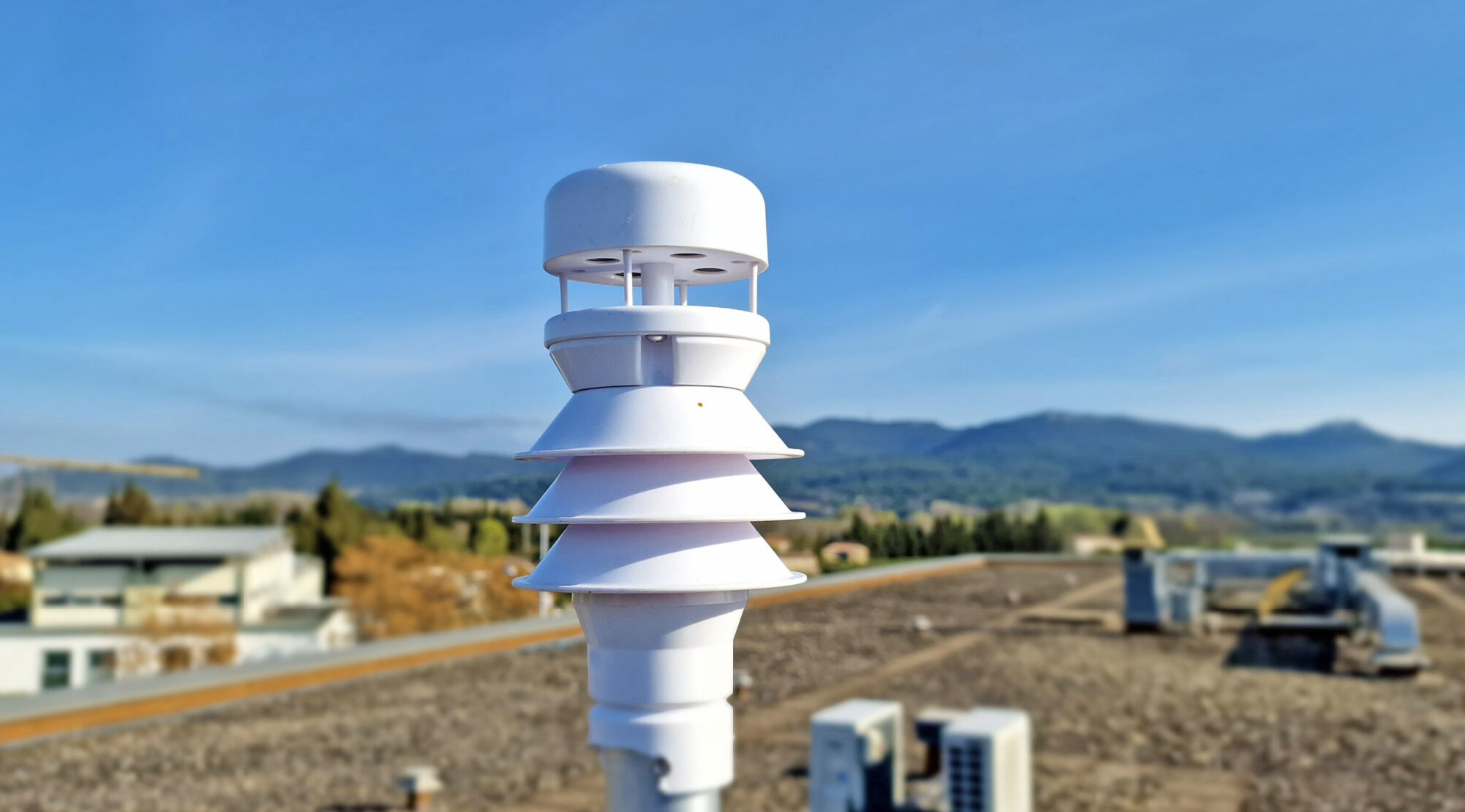
Pollen count measures the concentration of pollen grains per cubic meter of air, helping allergy sufferers anticipate symptom severity. When pollen counts are high, particularly during May and June in Wolverhampton, residents commonly experience sneezing, itchy eyes, runny nose, congestion, and asthma exacerbation. The West Midlands region uses standardized Burkard volumetric spore traps operated by the National Pollen and Aerobiology Research Unit to monitor 12 different pollen types.
Key Pollen Types and Rising Allergen Levels in Wolverhampton
Wolverhampton faces significant pollen challenges from multiple sources, with grass pollen affecting approximately 95% of hay fever sufferers in the area. Recent data shows birch pollen is experiencing an increasing severity trend specifically in the Midlands region, with 2025 expected to be a high birch pollen season driven by favorable conditions from the previous year. The city's urban environment further amplifies pollen potency, as air pollution chemically alters allergens, making them more aggressive.
- Grass Pollen: Wolverhampton ranks among the worst UK cities for grass pollen, with the West Midlands experiencing some of the highest counts nationally during May and June
- Birch Pollen: Showing increasing severity trends in the Midlands, with very high risk periods from late March to mid-May and 2025 forecasted as a high season
- Nettle Pollen: Peaks in June with highest concentrations in urban areas like Wolverhampton, creating high risk from late May through late August
- English Plantain: Highly allergenic weed pollen that can trigger asthma attacks, active from April to August across the city
Climate change is causing all pollen seasons in Wolverhampton to start earlier each year, with tree pollen now detected as early as February. The city's urban heat island effect advances flowering times in spring, while pollution from ozone, nitrogen dioxide, and sulfur dioxide enhances allergen potency by chemically modifying pollen proteins. Warmer temperatures in previous summer months drive increased birch pollen production the following season, creating a cycle of intensifying allergy conditions.
Seasonal Pollen Patterns in Wolverhampton
Understanding seasonal variations helps Wolverhampton residents prepare for different allergen exposures throughout the year.
- Spring (March to May): Dominated by tree pollen with very high birch levels from late March to mid-May, high oak pollen from mid-April to late May, and ash peaking in April
- Summer (June to August): Grass pollen reaches peak intensity in May and June with very high risk, while nettle pollen peaks in June and mugwort emerges in late June through July
- Autumn (September to November): Weed pollen from nettle, dock, and mugwort continues into early September, with grass pollen activity declining by month's end as the season closes
- Winter (December to February): Tree pollen season begins with hazel and alder appearing in January, with alder reaching high risk by early February and the 2025 season starting earlier than usual
Access Daily Pollen Data for Wolverhampton
The Pollen Count & Alerts App provides Wolverhampton residents with real-time pollen monitoring tailored to your location. Track daily levels of tree, grass, weed, and mold spores with data sourced from the National Pollen and Aerobiology Research Unit and Met Office regional monitoring network. Receive personalized alerts when pollen counts rise, allowing you to plan outdoor activities during safer low-pollen periods.
Effective Allergy Management Strategies for Wolverhampton Residents
Implementing these evidence-based strategies can significantly reduce pollen exposure and allergy symptoms.
- Use the Pollen Count & Alerts App: Monitor real-time pollen levels specific to Wolverhampton and receive alerts to plan outdoor activities during low-pollen times, especially avoiding May and June peak grass pollen
- Improve Indoor Air Quality: Keep windows closed during high pollen days, particularly in May and June when Wolverhampton experiences some of the UK's highest grass pollen counts
- Practice Personal Hygiene: Shower and wash hair before bed to remove pollen particles, change clothes after outdoor exposure, and avoid drying laundry outside during peak season
- Install HEPA Air Purifiers: Use high-efficiency particulate air filters in bedrooms and main living areas to capture airborne pollen grains and reduce indoor allergen concentration
- Consult an Allergist: Seek professional medical advice for persistent symptoms, as specialists can provide personalized treatment plans including immunotherapy for long-term relief
App Features to Enhance Your Allergy Management
The Pollen Count & Alerts App offers comprehensive tools designed specifically for Wolverhampton's challenging pollen environment.
- Real-Time Pollen Counts: Access the latest pollen data specific to Wolverhampton and the West Midlands region, updated daily from national monitoring networks
- Customized Alerts: Receive personalized notifications when grass, birch, or other relevant pollen types reach high or very high levels in your area
- Accurate Forecasts: View multi-day pollen forecasts to plan outdoor activities, medical appointments, and travel during lower pollen periods
- Educational Content: Learn about the 12 monitored pollen types affecting Wolverhampton, peak seasons, and how urban pollution amplifies allergen potency
- Intuitive Design: Navigate an easy-to-use interface that displays pollen levels by type, severity ratings, and seasonal trends at a glance


Explore More on Managing Seasonal Allergies
- Understanding Allergy Pollen Counts: Your Comprehensive Guide – Learn how to interpret pollen count levels and develop effective strategies to minimize your exposure and manage allergy symptoms throughout the season.
- Why Are My Allergies So Bad Right Now? | Pollen Count & Alerts App Blog – Discover the factors that can cause your allergies to suddenly intensify, including pollution interactions and climate changes affecting pollen potency.
- Do Allergies Get Worse as You Age? | Pollen Count & Alerts App Blog – Understand how your body's response to pollen and other allergens evolves throughout your lifetime and what changes you can expect.
Stay updated with the latest tips and insights by visiting the Alert Pollen Blog.
Pollen count in nearby cities
FAQ
When is pollen season in Wolverhampton?
Pollen season in Wolverhampton runs from late January through September, with different allergens peaking at different times. Tree pollen, including highly allergenic birch and oak, is most problematic from late March to mid-May. Grass pollen, which affects the majority of hay fever sufferers, reaches its peak during May and June, making these the most challenging months for allergy sufferers in Wolverhampton.
What are the most common pollen allergens in Wolverhampton?
Grass pollen is the dominant allergen in Wolverhampton, affecting approximately 95% of hay fever sufferers, with the West Midlands experiencing some of the highest grass pollen counts in the entire UK. Tree pollen from birch, oak, ash, and alder are also significant allergens, with birch showing an increasing severity trend in the Midlands region. Weed pollens including nettle, English plantain, dock, and mugwort contribute to extended allergy seasons from late May through September, with nettle being particularly widespread in urban areas.
How can I protect myself from pollen allergies in Wolverhampton?
Monitor daily pollen forecasts through the Pollen Count & Alerts App to plan outdoor activities when counts are lower, typically after rain or on cooler days. Stay indoors during peak pollen hours (early morning and late afternoon), keep windows closed during high pollen days, and shower after being outdoors to remove pollen from your hair and skin. The app's personalized alerts will help you take preventive measures before symptoms worsen.
Final Thoughts
Living in Wolverhampton means facing some of the highest pollen counts in the UK, particularly during the May and June grass pollen peak. However, with accurate information and the right tools, you can take control of your allergy symptoms and enjoy the outdoors more comfortably. The Pollen Count & Alerts App provides the localized, real-time data you need to plan your days and protect your health.
Download the Pollen Count & Alerts App today to receive personalized pollen alerts and forecasts tailored to Wolverhampton's unique pollen patterns. Take the guesswork out of managing your allergies and breathe easier all season long.
Take Control of Your Allergies Today
The Pollen Count & Alerts App delivers real-time pollen counts, personalized alerts based on your specific sensitivities, and comprehensive forecasts for tree, grass, and weed pollen in Wolverhampton. Download the app now to stay one step ahead of pollen season and minimize your allergy symptoms. With accurate, location-specific data at your fingertips, you'll know exactly when to take precautions and when it's safe to enjoy the outdoors.