San Diego, California, is renowned for its year-round mild Mediterranean climate, scenic coastline, and diverse urban landscape. However, this temperate weather also creates a unique challenge: continuous pollen production from trees, grasses, and weeds throughout the year. This guide provides essential information about San Diego's pollen patterns, seasonal trends, and effective strategies to manage allergies using the Pollen Count & Alerts App.
Understanding Pollen Count in San Diego
Pollen count measures the number of pollen grains per cubic meter of air, indicating allergen exposure risk. When pollen levels are high, allergy sufferers commonly experience sneezing, runny nose, itchy and watery eyes, coughing, wheezing, and difficulty breathing. Unlike many U.S. cities with distinct seasonal patterns, San Diego's mild climate means pollen is present year-round, requiring continuous monitoring.
Key Pollen Types and Recent Trends in San Diego
San Diego experiences three primary pollen categories that affect approximately 50 million Americans annually. The region's Mediterranean climate supports diverse allergenic plants, with oak, mulberry, juniper, and eucalyptus producing significant tree pollen, while Bermuda grass dominates summer allergen loads. Recent trends show allergy seasons are extending nationwide, with San Diego experiencing longer blooming periods and increased pollen production duration due to changing climate patterns.
- Tree Pollen (Oak, Mulberry, Juniper): Peaks March through May, with oak being the top allergen producer and mulberry contributing significantly to spring allergies
- Grass Pollen (Bermuda, Ryegrass): Dominates late April through August, with Bermuda grass being the most significant grass allergen in the region
- Weed Pollen (Ragweed, Sagebrush): Peaks September through November, creating a second major allergy season with sagebrush being a major fall contributor
- Year-Round Dust Mites: Highly active October through March due to San Diego's unique temperate indoor conditions, unlike most U.S. regions
San Diego's urban heat island effect extends blooming seasons in developed areas, where concrete and asphalt surfaces retain heat and keep plants actively pollinating longer than in natural environments. Additionally, Santa Ana winds can transport allergens from Nevada and Arizona, while coastal breezes carry pollen for miles, creating unpredictable allergen exposure even on seemingly calm days.
Seasonal Pollen Patterns in San Diego
San Diego's pollen calendar features distinct peaks across all seasons, with no true allergen-free period:
- Spring (March to May): Highest peak season dominated by tree pollen from oak, cedar, pine, mulberry, juniper, ash, and olive, with late April-May showing maximum allergen concentrations as late tree pollen overlaps with early grass pollen
- Summer (June to August): Grass pollen dominates from late April through August, with Bermuda grass, ryegrass, and Kentucky bluegrass peaking in late spring into early summer
- Fall (September to November): Second significant peak season featuring weed pollen from ragweed, sagebrush, and Russian thistle, with September showing particularly high concentrations
- Winter (December to February): Reduced outdoor pollen but dust mites remain highly active year-round, especially October through March, with mild temperatures allowing some plants to continue pollinating
Accessing Daily Pollen Data in San Diego
The Pollen Count & Alerts App provides real-time pollen monitoring specifically for San Diego, tracking tree, grass, weed, and mold spore levels throughout the day. With San Diego's year-round allergy season and unpredictable wind patterns that can suddenly increase pollen concentrations, daily data is essential for planning outdoor activities and managing symptoms. The app delivers accurate forecasts and personalized alerts to help you stay ahead of allergen exposure.
Effective Allergy Management Strategies for San Diego Residents
These evidence-based strategies can significantly reduce your allergen exposure and symptom severity:
- Use the Pollen Count & Alerts App: Monitor real-time pollen levels and receive customized alerts to plan outdoor activities during low-pollen times and avoid peak exposure
- Maintain Indoor Air Quality: Keep windows closed during high pollen days, use air conditioning with clean filters, and reduce indoor allergen accumulation
- Practice Personal Hygiene: Shower and change clothes after outdoor activities to remove pollen from hair and skin, preventing nighttime symptom flare-ups
- Install HEPA Air Purifiers: Use high-efficiency particulate air filters in bedrooms and living areas to capture airborne pollen and dust mites, especially important during San Diego's year-round allergen presence
- Consult an Allergist: Seek professional evaluation and treatment options such as immunotherapy, prescription medications, or personalized management plans, particularly important given San Diego's continuous allergen exposure affecting over 20% of children and millions of adults
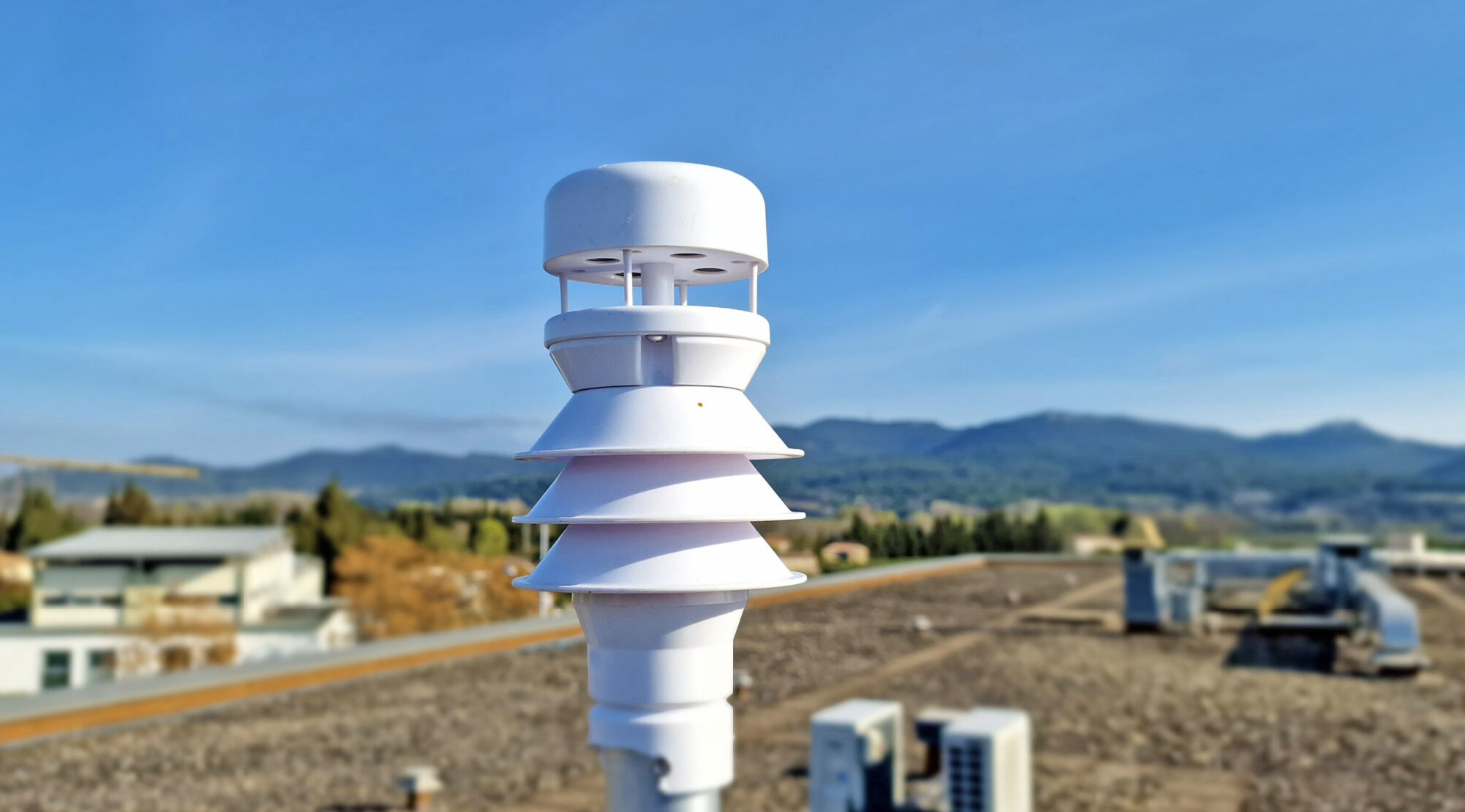
App Features to Enhance Your Allergy Management
The Pollen Count & Alerts App offers comprehensive tools designed specifically for managing San Diego's year-round allergy challenges:
- Real-Time Pollen Counts: Access the latest pollen data specific to your San Diego location, tracking tree, grass, weed, and mold spore levels throughout the day
- Customized Alerts: Receive notifications when pollen levels rise in your area, allowing you to take preventive measures before symptoms begin
- Accurate Forecasts: View 5-day pollen forecasts to plan outdoor activities, travel, and medication timing during San Diego's unpredictable allergen patterns
- Educational Content: Learn about specific allergens affecting San Diego, including oak, Bermuda grass, sagebrush, and ragweed, with symptom management tips
- Intuitive Design: Navigate easily through pollen data, historical trends, and personalized recommendations with a user-friendly interface designed for daily use


Learn More About Managing Your Allergies
- Understanding Allergy Pollen Counts: Your Comprehensive Guide – Discover how to interpret pollen count levels and develop effective strategies to minimize your exposure and manage allergy symptoms throughout the year.
- Why Are My Allergies So Bad Right Now? | Pollen Count & Alerts App Blog – Explore the various factors that can cause your allergies to intensify suddenly, from climate changes to new environmental triggers.
- Do Allergies Get Worse as You Age? | Pollen Count & Alerts App Blog – Understand how your body's response to allergens evolves over your lifetime and why some allergies may improve or worsen with age.
Stay updated with the latest tips and insights by visiting the Alert Pollen Blog.
Pollen count in nearby cities
FAQ
When is pollen season in San Diego, CA?
San Diego experiences a year-round allergy season due to its mild Mediterranean climate, but there are three distinct peak periods. Spring (March-May) brings the highest pollen levels from trees like oak, mulberry, juniper, and ash, with late April to May seeing the most intense concentrations. Summer (June-August) is dominated by grass pollen from Bermuda grass, ryegrass, and bluegrass, while fall (September-November) sees significant spikes from weed pollen, particularly ragweed and sagebrush.
What are the most common allergens in San Diego, CA?
The most common allergens in San Diego include tree pollen from oak, mulberry, juniper, ash, olive, and eucalyptus, which peak during spring months (March-May). Grass pollen, especially from Bermuda grass and ryegrass, dominates from late spring through summer (April-August). Fall allergens include ragweed, sagebrush, and Russian thistle, which are most problematic from September through November. Additionally, San Diego's temperate climate supports year-round dust mite populations, making them a constant indoor allergen concern unlike many other U.S. regions.
How can I protect myself from pollen in San Diego using the app?
The Pollen Count & Alerts App provides real-time pollen forecasts specific to San Diego's microclimates, helping you plan outdoor activities during lower pollen periods. You can set personalized alerts for your specific allergens to receive notifications before pollen spikes, especially during peak spring and fall seasons or when Santa Ana winds bring allergens from surrounding regions. By checking the app's 5-day forecast, you can time outdoor activities strategically and prepare with appropriate medications before symptoms start.
Final Thoughts
Living in San Diego means navigating a unique year-round allergy environment, with continuous pollen exposure from diverse trees, grasses, and weeds throughout all seasons. However, with proper preparation and the right tools, you can stay ahead of pollen spikes and enjoy the beautiful Southern California weather. The Pollen Count & Alerts App empowers you with accurate, localized forecasts that account for San Diego's microclimates, wind patterns, and seasonal variations.
Don't let allergies control your daily activities. Download the Pollen Count & Alerts App today to take charge of your allergy management with personalized alerts and comprehensive pollen data specific to San Diego.
Take Control of Your Allergies Today
The Pollen Count & Alerts App delivers real-time pollen counts for San Diego, personalized alerts tailored to your specific allergens, and comprehensive 5-day forecasts that help you plan ahead. Whether you're dealing with spring tree pollen, summer grasses, or fall weeds, our app gives you the information you need to minimize symptoms and maximize your quality of life. Download now and breathe easier.