Vista, California, located approximately 7 miles inland from the Pacific Ocean in northern San Diego County, experiences a Mediterranean climate with warm, dry summers and mild, wet winters. This coastal proximity and year-round temperate conditions create one of the longest allergy seasons in the United States, extending from late January through early October. Residents face significant challenges from oak and olive tree pollen in spring, Bermuda grass throughout summer, and ragweed in fall, compounded by year-round mold spores fostered by coastal humidity. This guide provides comprehensive information about Vista's pollen types, seasonal patterns, monitoring resources, and effective management strategies.
Understanding Pollen Count in Vista
Pollen count measures the concentration of pollen grains per cubic meter of air, collected through air-sampling devices that monitor atmospheric allergen levels. When pollen counts are high, allergy sufferers commonly experience symptoms including sneezing, nasal congestion, itchy or watery eyes, scratchy throat, and asthma exacerbations. Understanding these measurements helps Vista residents plan outdoor activities and manage allergy symptoms effectively.
Significant Pollen Types and Recent Trends in Vista
Vista's allergy landscape is dominated by several highly allergenic species, with tree pollen season already underway in 2026 and tree pollen risk currently rated as extremely high. Oak trees, particularly Coast Live Oak and Engelmann Oak, produce the highest-volume native tree allergen in San Diego County, peaking from March through April. The extensively planted ornamental olive trees create particularly potent spring allergenic conditions throughout residential and commercial areas.
- Oak Pollen: Highest-volume native tree allergen in San Diego County, surging March through April as the dominant spring allergen
- Olive Pollen: Extensively planted ornamental species producing particularly potent allergens from March to May throughout Vista
- Bermuda Grass: Most common and significant grass allergen, causing extended suffering from late April through September
- Ragweed: Major fall allergen peaking in September, contributing to Vista's nearly year-round allergy season extending through November
Climate change trends are significantly impacting Vista's allergy season, with the freeze-free season lengthening by an average of 21 days since 1970. Rising temperatures and increased CO2 concentrations are producing higher pollen quantities from trees, while 87% of analyzed US cities show longer growing seasons that directly translate to extended and more intense allergy seasons. These trends have contributed to the early start of the 2026 tree pollen season and expectations for peak levels in April 2026.
Seasonal Pollen Patterns in Vista
Vista experiences distinct seasonal allergen patterns that create a nearly year-round allergy challenge for residents.
- Spring (March to May): Peak tree pollen season dominated by oak and olive surges, with oak reaching highest-volume levels in March-April and grass pollen rising by late April
- Summer (June to August): Extended Bermuda grass pollen season with multiple pollination cycles, while ragweed season begins in August
- Fall (September to November): Peak weed pollen season with September as the highest allergy month, featuring intense ragweed and California sagebrush levels, plus increased mold spores after autumn rains
- Winter (December to February): Lowest outdoor allergen levels though mild winters allow some year-round pollen presence, with indoor allergens like dust mites and mold becoming more prominent, and early tree pollen starting in late January
Accessing Daily Pollen Data in Vista
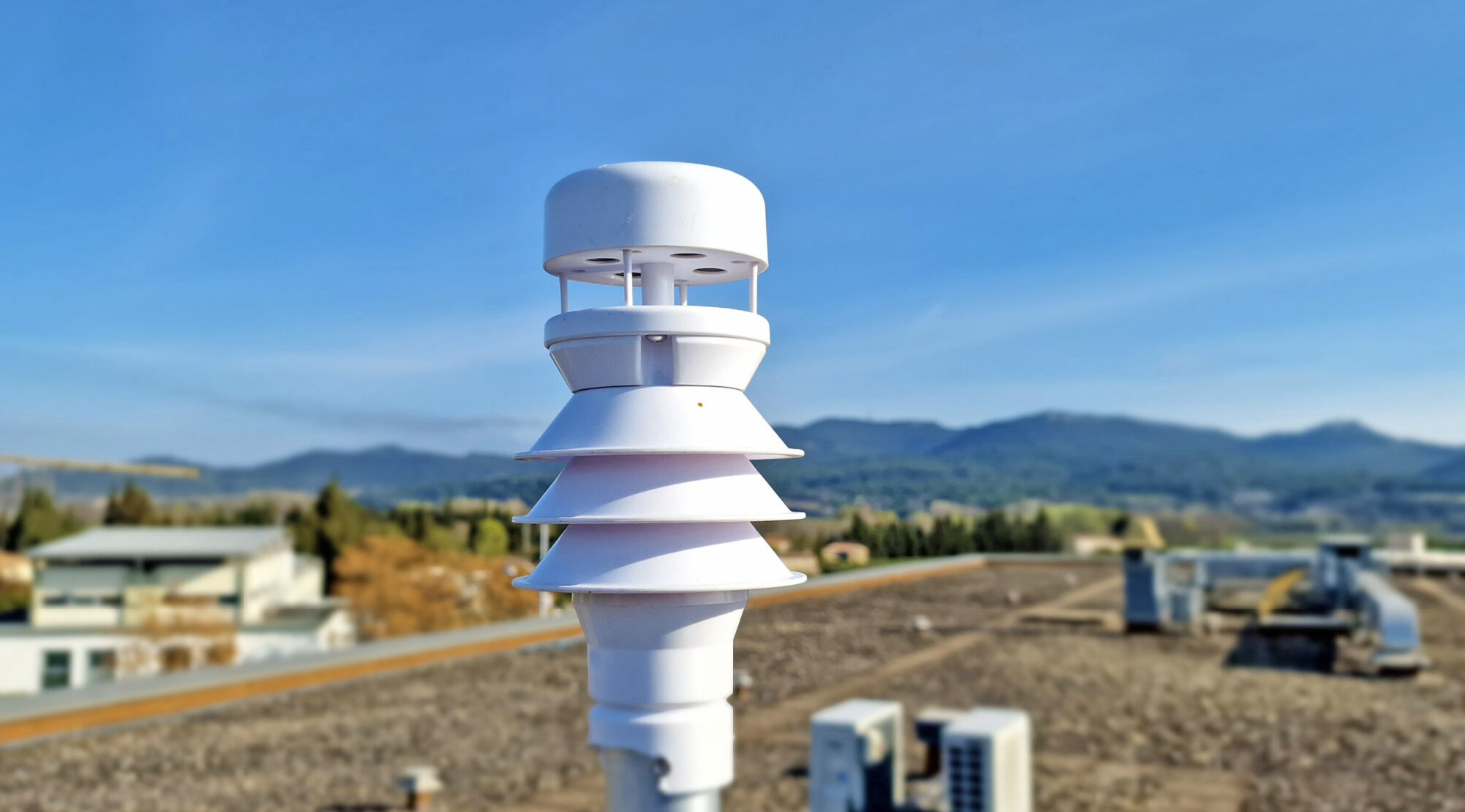
Since San Diego County lacks a certified National Allergy Bureau monitoring station, Vista residents rely on commercial forecasting services and the Pollen Count & Alerts App for daily allergen information. The app provides real-time tracking of tree, grass, weed, and mold spore levels specific to Vista's zip codes (92081, 92083, 92084), enabling informed decision-making about outdoor activities. With nearly one in three US adults affected by seasonal allergies and pollen-related medical expenses exceeding $3 billion annually, access to accurate daily data is essential for effective allergy management.
Effective Allergy Management Strategies for Vista Residents
Implementing comprehensive allergy management strategies can significantly reduce symptoms during Vista's extended pollen season.
- Use the Pollen Count & Alerts App: Monitor real-time pollen levels and receive customized alerts to plan outdoor activities during low-pollen periods throughout Vista's year-round allergy season
- Maintain Indoor Air Quality: Keep windows closed during peak pollen hours, especially during March-April oak surges and September ragweed peaks, and use air conditioning with clean filters
- Install HEPA Air Purifiers: Deploy high-efficiency particulate air filters in bedrooms and living spaces to remove pollen, mold spores, and other allergens from indoor air
- Practice Personal Hygiene: Shower and wash hair before bed to remove pollen collected outdoors, change clothes after extended outdoor exposure, and rinse nasal passages with saline solutions
- Consult an Allergist: Seek professional evaluation for persistent symptoms, explore immunotherapy options, and develop personalized treatment plans for Vista's specific allergen profile including oak, olive, Bermuda grass, and ragweed
Enhance Your Allergy Management with the Pollen Count & Alerts App
The Pollen Count & Alerts App offers comprehensive features designed to help Vista residents navigate the region's challenging year-round allergy season.
- Real-Time Pollen Counts: Access the latest pollen data specific to Vista's location, tracking tree, grass, weed, and mold spore levels throughout the extended allergy season
- Customized Alerts: Receive personalized notifications when pollen levels spike for allergens that affect you, including oak, olive, Bermuda grass, and ragweed
- Accurate Forecasts: Plan ahead with reliable multi-day pollen forecasts that account for Vista's Mediterranean climate and coastal humidity factors
- Educational Content: Learn about Vista's specific allergens, seasonal patterns, and evidence-based management strategies to reduce symptoms year-round
- Intuitive Design: Navigate easily through pollen data, forecasts, and alerts with a user-friendly interface optimized for quick daily checks


Explore More on Managing Seasonal Allergies
- Understanding Allergy Pollen Counts: Your Comprehensive Guide – Learn how to interpret pollen count levels and develop effective strategies to minimize your exposure during Vista's extended allergy season.
- Why Are My Allergies So Bad Right Now? | Pollen Count & Alerts App Blog – Discover the environmental and biological factors that can cause your allergies to intensify unexpectedly, even in familiar climates like Southern California.
- Do Allergies Get Worse as You Age? | Pollen Count & Alerts App Blog – Understand how your immune system's response to allergens evolves throughout your life and why sensitivities may increase or decrease with age.
Stay updated with the latest tips and insights by visiting the Alert Pollen Blog.
Pollen count in nearby cities
FAQ
When is pollen season in Vista, CA?
Pollen season in Vista, CA runs nearly year-round, typically from late January through early October. The peak tree pollen season occurs from March through May, with oak and olive trees releasing the highest volumes in April. Grass pollen dominates from April through September, while ragweed and other weeds peak in September.
What are the most common allergens in Vista, CA?
The most common allergens in Vista include oak trees (Coast Live Oak and Engelmann Oak), which produce the highest-volume tree pollen from March to April, and olive trees, which are extensively planted ornamentals that pollinate from March to May with particularly potent allergens. Bermuda grass is the dominant grass allergen, active from late April through summer, while ragweed and California sagebrush are the primary weed allergens peaking in September and October. Coastal humidity also fosters year-round mold spores like Alternaria and Cladosporium.
How can the Pollen Count & Alerts App help me manage allergies in Vista, CA?
The Pollen Count & Alerts App provides real-time pollen forecasts specifically for Vista, helping you plan outdoor activities during low-pollen periods. You'll receive personalized alerts when oak, olive, or grass pollen levels spike, allowing you to take preventive medication or limit exposure. The app's detailed forecasts help you distinguish between Vista's extended tree, grass, and weed seasons so you can prepare accordingly.
Final Thoughts
Living in Vista, CA means facing one of the longest pollen seasons in the United States, with allergens present nearly year-round from oak and olive trees to Bermuda grass and ragweed. However, with accurate information about when specific allergens peak and access to real-time monitoring through the Pollen Count & Alerts App, you can take control of your allergy management. Understanding your local pollen calendar empowers you to prepare, protect yourself, and enjoy Vista's beautiful climate with fewer symptoms.
Download the Pollen Count & Alerts App today to receive personalized pollen forecasts and alerts tailored to Vista's unique allergen profile. Take the guesswork out of allergy season and breathe easier all year long.
Take Control of Your Allergies Today
The Pollen Count & Alerts App delivers real-time pollen counts, personalized alerts for your specific allergens, and comprehensive forecasts covering Vista's extended tree, grass, and weed seasons. With accurate, location-based data at your fingertips, you can plan your days with confidence and minimize allergy symptoms. Download the app now and experience the difference that timely, reliable pollen information makes.