Oldham sits at the Pennine foothills in eastern Greater Manchester, where urban development meets upland moorlands. This unique geography creates a diverse pollen environment, with high grass pollen levels in summer and increasing birch pollen severity in spring. This article explores Oldham's pollen types, seasonal patterns, and practical strategies for managing hay fever symptoms that affect nearly half of all Britons.
Understanding Pollen Count in Oldham
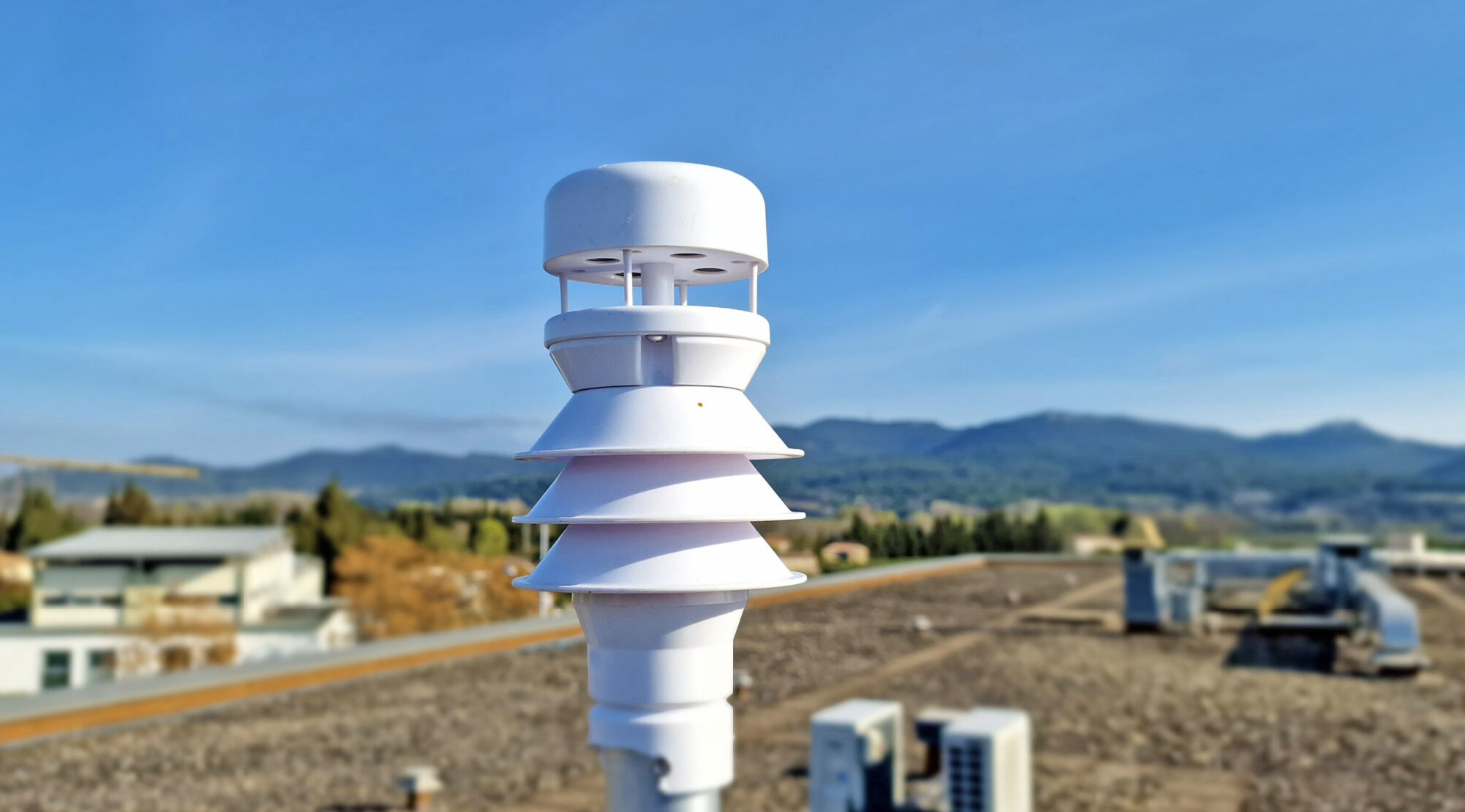
Pollen count measures the concentration of pollen grains per cubic metre of air. Manchester's cutting-edge Urban Observatory provides real-time, species-specific pollen monitoring using biological aerosol spectrometry. When levels are high, sufferers typically experience sneezing, itchy eyes, nasal congestion, and in severe cases, asthma exacerbations.
Key Pollen Types Affecting Oldham Residents
Oldham experiences typical Northwest England pollen patterns, with three main allergen categories causing the majority of hay fever cases. Recent data shows birch pollen severity is particularly increasing across the Midlands and Greater Manchester regions, with 2025 predictions indicating a high birch season due to ideal 2024 growing conditions including the warmest meteorological spring since records began in 1884.
- Grass Pollen: Affects 95% of hay fever sufferers with approximately 150 species present across the UK, including highly allergenic perennial ryegrass and Timothy grass
- Birch Pollen: Impacts around 25% of the UK population with silver birch being the most allergenic tree species, peaking in May
- Weed Pollen: English plantain is the most allergenic weed causing rhinitis and asthma, alongside nettle, mugwort, and dock species in late summer
The unique Pennine geography surrounding Oldham creates diverse pollen sources, with moorlands of national botanical importance to the east harbouring various flora, while urban parks and gardens contribute ornamental tree pollen. Climate change and urban warming effects from the Greater Manchester metropolitan area may be contributing to earlier season starts, though overall pollen seasons are not lengthening significantly.
Seasonal Pollen Patterns in Oldham
Pollen activity in Oldham follows distinct seasonal patterns throughout the year.
- Winter (December to February): Hazel and alder begin releasing pollen as early bloomers, with the 2025 tree pollen season starting in February
- Spring (March to May): Tree pollen dominates with birch reaching peak levels in May, alongside ash, oak, and pine species creating high allergen loads
- Summer (June to August): Grass pollen reaches its peak during the worst period for hay fever sufferers, with warm humid conditions exacerbating symptoms
- Autumn (September to November): Late grass pollen and weeds including nettle, plantain, and mugwort gradually decline as the season winds down
Access Daily Pollen Data for Oldham
The Pollen Count & Alerts App provides real-time pollen monitoring specifically for Oldham and Greater Manchester. Track tree, grass, weed, and mould spore levels with species-specific data derived from advanced monitoring systems. Receive personalized alerts to plan your outdoor activities during low-pollen periods and minimize hay fever symptoms.
Effective Allergy Management Strategies for Oldham Residents
Managing pollen allergies requires a combination of environmental awareness and practical preventive measures.
- Use the Pollen Count & Alerts App: Monitor real-time pollen levels and receive alerts to plan outdoor activities during low-pollen times, particularly avoiding warm, windy, and humid conditions
- Maintain Indoor Air Quality: Keep windows closed during peak pollen hours, particularly during late spring and summer when grass and birch pollen dominate
- Practice Personal Hygiene: Shower and wash hair before bed to remove pollen particles, and change clothes after spending time outdoors during high-pollen days
- Install HEPA Air Purifiers: Use high-efficiency particulate air filters in bedrooms and living areas to reduce indoor pollen concentrations
- Consult an Allergist: Seek professional medical advice for persistent symptoms, especially if experiencing asthma exacerbations or severe rhinoconjunctivitis
Enhance Your Allergy Management with the Pollen Count & Alerts App
The Pollen Count & Alerts App offers comprehensive features designed to help Oldham residents manage their hay fever symptoms effectively.
- Real-Time Pollen Counts: Access the latest species-specific pollen data for Oldham and Greater Manchester, including birch, grass, and weed levels
- Customized Alerts: Receive personalized notifications when pollen levels rise in your area, helping you prepare before symptoms begin
- Accurate Forecasts: View detailed 5-day pollen forecasts to plan outdoor activities, travel, and medication schedules in advance
- Educational Content: Learn about specific allergens affecting Oldham, including cross-reactivity between birch pollen and certain foods
- Intuitive Design: Navigate easily through pollen data, historical trends, and symptom tracking features with a user-friendly interface


Learn More About Managing Your Pollen Allergies
- Understanding Allergy Pollen Counts: Your Comprehensive Guide – Discover how to interpret pollen count readings and develop effective strategies for managing seasonal allergies throughout the year.
- Why Are My Allergies So Bad Right Now? | Pollen Count & Alerts App Blog – Understand the environmental and physiological factors that can cause your allergy symptoms to suddenly intensify or worsen over time.
- Do Allergies Get Worse as You Age? | Pollen Count & Alerts App Blog – Learn how your body's immune response to pollen evolves throughout your lifetime and why allergies may appear, disappear, or change in severity as you age.
Stay updated with the latest tips and insights by visiting the Alert Pollen Blog.
Pollen count in nearby cities
FAQ
When is pollen season in Oldham?
In Oldham, pollen season typically begins in late winter with hazel and alder trees (January-February), intensifies through spring with birch, ash, and oak pollen reaching peaks in April-May, and continues through summer with grass pollen dominating from June to August. The worst period for most allergy sufferers runs from late March through September, with grass pollen reaching its highest levels in July and August, while weed pollens like nettle, plantain, and mugwort appear in late summer.
What are the most common pollen allergens in Oldham?
The most common allergens in Oldham include birch tree pollen (March-May), which affects approximately 25% of the UK population, and grass pollen from species like perennial ryegrass and Timothy grass (June-August), which impacts 95% of hay fever sufferers. Other significant allergens include hazel and alder in early spring, oak and ash in mid-spring, and weeds like English plantain, nettle, and dock during late summer months.
How can I use the Pollen Count & Alerts App to manage my allergies in Oldham?
The Pollen Count & Alerts App provides real-time pollen data for Oldham, allowing you to check daily forecasts and receive personalized alerts when pollen levels are high for your specific allergens. This enables you to plan outdoor activities during lower-pollen periods, take preventive medication before symptoms start, and avoid peak exposure times when birch or grass pollen counts spike in the local area.
Final Thoughts
Living in Oldham means navigating multiple pollen seasons throughout the year, from early spring tree pollen to the intense summer grass pollen that affects the vast majority of allergy sufferers. By understanding the local pollen patterns and utilizing real-time monitoring data available for the Greater Manchester area, you can take proactive steps to minimize symptoms and enjoy the outdoors more comfortably.
Download the Pollen Count & Alerts App today to stay ahead of pollen spikes and take control of your seasonal allergies in Oldham.
Take Control of Your Allergies Today
The Pollen Count & Alerts App delivers accurate, real-time pollen counts for Oldham, personalized alerts based on your specific allergens, and comprehensive five-day forecasts to help you plan ahead. Whether you're managing birch, grass, or weed allergies, our app gives you the information you need to reduce symptoms and improve your quality of life during pollen season.