Bolton, located in Greater Manchester, experiences the full spectrum of UK pollen challenges throughout the year. This industrialised town's maritime climate, combined with numerous urban parks and gardens, creates conditions where tree, grass, and weed pollen thrive from late winter through early autumn. This guide provides Bolton residents with comprehensive information about local pollen types, seasonal patterns, recent trends, and practical strategies to manage hay fever and allergic rhinitis effectively.
Understanding Pollen Count in Bolton
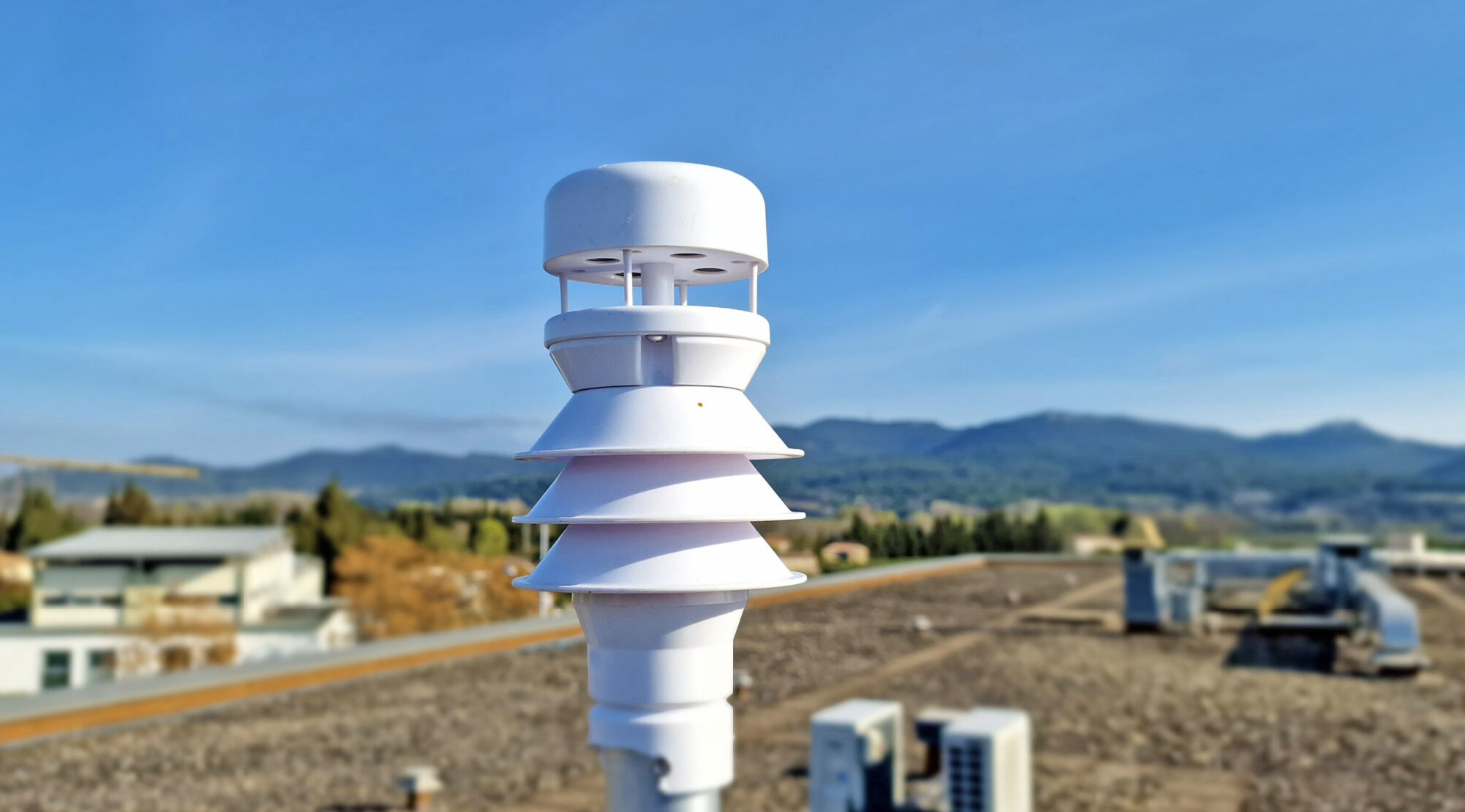
Pollen count measures the concentration of pollen grains per cubic meter of air, typically categorised as low, moderate, high, or very high. When pollen levels rise, sensitive individuals may experience symptoms including sneezing, nasal congestion, itchy eyes, coughing, and in severe cases, asthma attacks. Bolton's pollen data comes from regional monitoring stations that evaluate airborne allergen levels across Greater Manchester.
Key Pollen Types and Recent Trends in Bolton
Bolton faces significant allergenic challenges from three main pollen categories, with grass pollen being particularly problematic as it affects 95% of hay fever sufferers and is responsible for approximately 90% of UK hay fever cases. Recent forecasts for 2026 predict higher than average pollen counts from May onwards due to above-average rainfall in early 2026 creating saturated soils and ideal growing conditions for grass.
- Birch Pollen: Highly allergenic tree pollen peaking in April, major cause of asthma and rhinoconjunctivitis in Bolton
- Grass Pollen: Affects 95% of hay fever sufferers with peak concentrations from mid-June through mid-July
- English Plantain: Most highly allergenic weed species among plantains, active from June to September
- Oak Pollen: Common tree allergen peaking in early-to-mid May across Greater Manchester
Climate change is lengthening pollen seasons in Bolton, with research showing that warmer winters and temperatures in previous summer months directly influence birch pollen production in the Midlands region. This warming trend means Bolton residents can expect increasingly intense and prolonged pollen seasons in coming years.
Seasonal Pollen Calendar for Bolton
Bolton's pollen season follows distinct patterns throughout the year, with different allergens dominating each period.
- Spring (Late March to Mid-May): Dominated by tree pollen including birch, oak, ash, plane, and hazel, with peak levels in the second half of April
- Summer (Mid-May to July): Grass pollen season begins with moderate levels in late May, peaking from mid-June through mid-July when most sufferers experience worst symptoms
- Late Summer (June to September): Weed pollen from mugwort, plantain, dock, and nettle overlaps with grass season, extending allergy challenges through early autumn
- Autumn/Winter (October to February): Generally low pollen activity, though hazel and yew begin releasing pollen from February onwards in preparation for spring
Access Daily Pollen Data for Bolton
The Pollen Count & Alerts App provides Bolton residents with real-time pollen monitoring specifically tailored to your location. Track tree, grass, weed, and mold spore levels with hourly updates and receive personalised alerts when pollen counts rise. Plan your outdoor activities during low-pollen periods and take control of your allergy management with accurate, hyper-local forecasts.
Effective Allergy Management Strategies for Bolton Residents
Implementing practical strategies can significantly reduce pollen exposure and alleviate hay fever symptoms throughout Bolton's extended pollen season.
- Use the Pollen Count & Alerts App: Monitor real-time pollen levels and receive alerts to plan outdoor activities during low-pollen times
- Improve Indoor Air Quality: Keep windows closed during high pollen days, particularly in early morning and evening when pollen concentrations peak
- Practice Personal Hygiene: Shower and wash hair before bed to remove pollen particles, and change clothing after spending time outdoors
- Install HEPA Air Purifiers: Use high-efficiency particulate air filters in bedrooms and living areas to capture airborne pollen indoors
- Consult an Allergist: Seek professional medical advice for persistent symptoms, prescription antihistamines, or immunotherapy options
Enhance Your Allergy Management with the Pollen Count & Alerts App
The Pollen Count & Alerts App offers comprehensive features designed specifically to help Bolton residents navigate their unique pollen challenges throughout the year.
- Real-Time Pollen Counts: Access the latest pollen data specific to Bolton with hourly updates from local monitoring sources
- Customised Alerts: Receive notifications when pollen levels rise for allergens that specifically affect you, including tree, grass, and weed varieties
- Accurate Forecasts: View detailed 5-day pollen forecasts using machine learning technology for hyper-local predictions across Greater Manchester
- Educational Content: Learn about specific pollen types, seasonal patterns, and evidence-based management strategies relevant to Bolton
- Intuitive Design: Navigate easily through clear data visualisations, historical trends, and personalised recommendations for outdoor activity planning


Explore More on Managing Seasonal Allergies
- Understanding Allergy Pollen Counts: Your Comprehensive Guide – Learn how to interpret pollen count levels and develop effective strategies to minimize your exposure and manage allergy symptoms throughout the year.
- Why Are My Allergies So Bad Right Now? | Pollen Count & Alerts App Blog – Discover the environmental and physiological factors that can cause your seasonal allergies to intensify unexpectedly, including climate change impacts.
- Do Allergies Get Worse as You Age? | Pollen Count & Alerts App Blog – Understand how your immune system's response to pollen and other allergens evolves throughout your lifetime and what you can do to adapt.
Stay updated with the latest tips and insights by visiting the Alert Pollen Blog.
Pollen count in nearby cities
FAQ
When is pollen season in Bolton?
Bolton experiences three distinct pollen seasons throughout the year. Tree pollen dominates from late March to mid-May, with birch, oak, and ash peaking in April. Grass pollen season runs from mid-May to July, with the highest levels occurring from mid-June through mid-July. Weed pollen affects residents from June to September, though levels typically decline by late September.
What are the most common pollen allergens in Bolton?
The most common allergens in Bolton include grass pollen, which affects 95% of hay fever sufferers and is responsible for approximately 90% of UK hay fever cases. Tree pollen from birch, oak, ash, hazel, and alder causes significant allergic reactions from late March through mid-May, with birch being particularly problematic for asthma and rhinoconjunctivitis. Weed pollen from mugwort, English plantain, dock, and nettle also triggers allergies during the summer months.
How can Bolton residents best protect themselves from high pollen levels?
Using the Pollen Count & Alerts App gives Bolton residents access to real-time, hyper-local pollen forecasts specific to the Greater Manchester area, allowing them to plan outdoor activities during lower pollen periods. On high pollen days, typically from mid-June to mid-July during grass season, keep windows closed during morning hours when pollen release peaks, shower after being outdoors to remove pollen from hair and skin, and check your daily pollen forecast before planning activities. The app's personalized alerts help you stay ahead of pollen spikes and manage symptoms more effectively.
Final Thoughts
Living in Bolton means navigating three distinct pollen seasons, with grass pollen presenting the greatest challenge for most residents from June through July. However, with accurate local pollen information and the right tools, you can effectively manage your symptoms and enjoy outdoor activities throughout the year. The Pollen Count & Alerts App provides Bolton residents with hyper-local forecasts tailored to the Greater Manchester area, helping you stay one step ahead of pollen peaks.
Download the Pollen Count & Alerts App today to receive personalized pollen alerts specific to Bolton and take control of your seasonal allergies.
Take Control of Your Allergies Today
The Pollen Count & Alerts App delivers real-time pollen counts and comprehensive forecasts specifically for Bolton and the Greater Manchester region. With personalized alerts based on your specific allergen sensitivities, you'll know exactly when to take precautions and when it's safe to enjoy the outdoors. Download the app now and experience the difference that hyper-local, accurate pollen information can make in managing your seasonal allergies.