New Haven, Connecticut sits along the Long Island Sound, experiencing a humid continental climate with distinct four seasons that bring varied pollen challenges throughout the year. From spring tree pollen to summer grasses and notorious fall ragweed, residents face a three-season pollen cycle that climate change is steadily extending and intensifying. This guide provides essential information about local pollen types, seasonal patterns, monitoring resources, and effective strategies to manage allergies in New Haven.
Understanding Pollen Count in New Haven
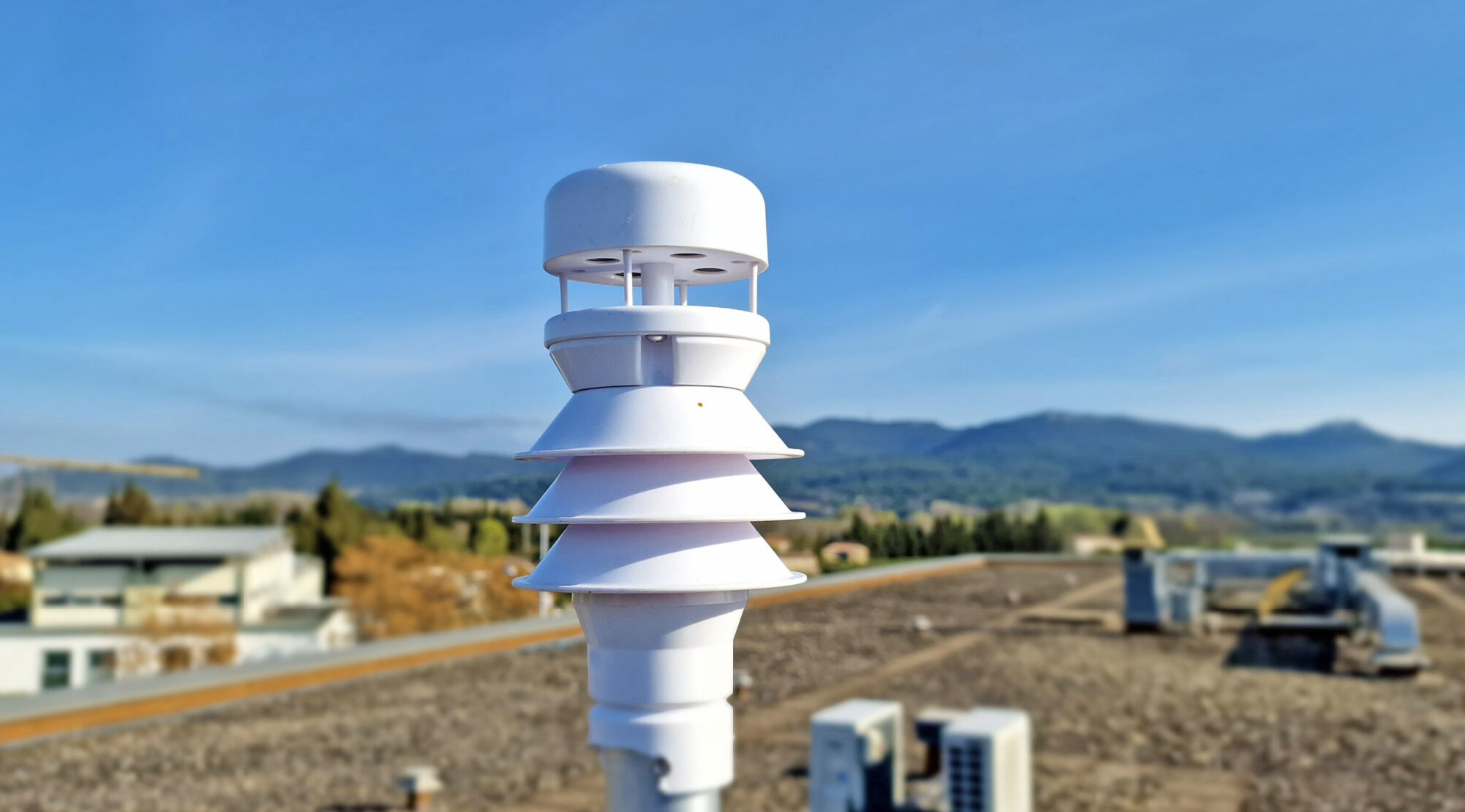
Pollen count measures the concentration of pollen grains per cubic meter of air, indicating how much allergen exposure you may experience outdoors. When pollen counts are high, allergy sufferers typically experience symptoms including sneezing, runny nose, watery and itchy eyes, coughing, and respiratory distress. Advanced monitoring technologies including automated particulate sensors and satellite vegetation mapping now provide year-round continuous pollen data for New Haven residents.
Key Pollen Types and Significant Trends in New Haven
New Haven experiences three primary pollen seasons, each dominated by different allergen sources. Ragweed stands out as the most notorious allergen in the region, with a single plant capable of producing up to one billion pollen grains during the fall season. Tree pollen from oak, maple, and birch dominates spring, while timothy grass, Kentucky bluegrass, and ryegrass drive summer allergy concerns.
- Ragweed Pollen: The most notorious fall allergen in New Haven, with individual plants producing up to 1 billion pollen grains from August through the first hard freeze
- Tree Pollen: Oak, maple, and birch are major spring allergens peaking in April and early May, producing fine powdery pollen that travels for miles across the city
- Grass Pollen: Timothy grass, Kentucky bluegrass, and ryegrass dominate lawns and parks, reaching peak levels during June and early July
- Climate Change Impact: Pollen seasons are lengthening and overall pollen counts are increasing year-over-year due to warmer winters and prolonged warm weather
New Haven's coastal New England location and proximity to Long Island Sound create unique pollen dispersal patterns influenced by maritime conditions. The urban heat island effect in the city center can extend growing seasons compared to surrounding areas, while wind patterns carry tree pollen across neighborhoods, creating microclimate variations in pollen concentrations throughout the city.
Seasonal Pollen Patterns in New Haven
New Haven's pollen calendar follows a predictable three-season pattern that varies with weather conditions and climate trends.
- Spring (March to May): Dominated by tree pollen from oak, maple, birch, hickory, willow, walnut, elm, ash, and other species, with peak production in April and early May
- Summer (May to July): Grass pollen season begins in late May and peaks during June and early July, featuring timothy grass, Kentucky bluegrass, ryegrass, orchard grass, and fescue
- Fall (August to First Hard Freeze): Weed pollen season dominated by ragweed, with additional contributions from mugwort, amaranth, plantain, nettle, and sheep sorrel, peaking in September and early October
- Winter (December to February): Generally low pollen activity, though warmer winters due to climate change are beginning to shorten this relief period for allergy sufferers
Access Daily Pollen Data in New Haven
The Pollen Count & Alerts App provides New Haven residents with essential real-time pollen monitoring to help plan daily activities and minimize allergy exposure. Track tree, grass, weed, and mold spore levels specific to your location, with data updated throughout the day. Stay informed with accurate forecasts and personalized alerts so you can take preventive measures before symptoms start.
Effective Allergy Management Strategies for New Haven Residents
Taking proactive steps can significantly reduce pollen exposure and allergy symptoms during peak seasons.
- Use the Pollen Count & Alerts App: Monitor real-time pollen levels and receive customized alerts to plan outdoor activities during low-pollen times and prepare accordingly
- Improve Indoor Air Quality: Keep windows closed during high pollen days, use air conditioning with clean filters, and create a pollen-free sanctuary inside your home
- Practice Personal Hygiene: Shower and wash hair before bed to remove pollen from skin and hair, change clothes after being outdoors, and avoid hanging laundry outside during peak pollen season
- Install HEPA Air Purifiers: Use high-efficiency particulate air filters in bedrooms and main living areas to capture pollen particles and reduce indoor allergen concentrations
- Consult an Allergist: Seek professional care from specialists at Yale New Haven Hospital Allergy & Immunology Services or local practices offering immunotherapy, which provides symptom reduction for 85% of patients
App Features to Enhance Your Allergy Management
The Pollen Count & Alerts App offers comprehensive tools designed specifically to help New Haven residents manage seasonal allergies effectively.
- Real-Time Pollen Counts: Access the latest pollen data specific to New Haven, updated continuously throughout the day for accurate exposure information
- Customized Alerts: Receive personalized notifications when pollen levels rise for the specific allergens that affect you most, including tree, grass, and ragweed pollen
- Accurate Forecasts: Plan ahead with reliable multi-day pollen forecasts based on weather patterns, vegetation mapping, and historical data for the New Haven area
- Educational Content: Learn about local pollen types, peak seasons, symptom management, and allergy treatment options relevant to Connecticut residents
- Intuitive Design: Navigate easily through a user-friendly interface that provides essential information quickly, helping you make informed decisions about outdoor activities


Learn More About Managing Your Seasonal Allergies
- Understanding Allergy Pollen Counts: Your Comprehensive Guide – Discover how to interpret pollen count levels and develop effective strategies to minimize your exposure during high-pollen days.
- Why Are My Allergies So Bad Right Now? | Pollen Count & Alerts App Blog – Understand the factors that can cause your allergy symptoms to intensify suddenly, from climate change to environmental triggers.
- Do Allergies Get Worse as You Age? | Pollen Count & Alerts App Blog – Explore how your body's immune response to allergens evolves throughout your lifetime and what changes you can expect.
Stay updated with the latest tips and insights by visiting the Alert Pollen Blog.
Pollen count in nearby cities
FAQ
When is pollen season in New Haven, CT?
New Haven experiences three distinct pollen seasons throughout the year. Tree pollen season runs from March through May, with oak, maple, and birch peaking in April and early May. Grass pollen dominates from late May through July, while ragweed and other weed pollens cause fall allergies from August until the first hard freeze, typically peaking in September and early October.
What are the most common allergens in New Haven, CT?
The most common allergens in New Haven vary by season. In spring, oak, maple, and birch trees are the primary culprits, producing significant airborne pollen from March through May. During summer months, Timothy grass, Kentucky bluegrass, and ryegrass dominate from May to July. Fall brings the most notorious allergen: ragweed, which can produce up to one billion pollen grains per plant and peaks from September through early October, along with mugwort and pigweed.
How can I use the Pollen Count & Alerts App to manage my allergies in New Haven?
The Pollen Count & Alerts App provides real-time pollen forecasts specific to New Haven, allowing you to plan outdoor activities when counts are lower. Set personalized alerts based on your specific allergens—whether tree, grass, or weed pollen—so you can take preventive medication before symptoms start. The app's detailed daily and 5-day forecasts help you know when to keep windows closed, limit outdoor exercise, or schedule indoor activities during peak pollen hours.
Final Thoughts
Living in New Haven means navigating three distinct pollen seasons each year, from spring tree pollen to fall's notorious ragweed. While climate change is extending these seasons and increasing pollen counts, you don't have to suffer through allergy season unprepared. With accurate, localized pollen data from the Pollen Count & Alerts App, you can take control of your allergies and enjoy everything New Haven has to offer year-round.
Download the Pollen Count & Alerts App today to receive personalized pollen forecasts and alerts tailored to New Haven's unique pollen patterns. Take the guesswork out of managing your seasonal allergies and breathe easier all year long.
Take Control of Your Allergies Today
The Pollen Count & Alerts App delivers real-time pollen counts specific to New Haven, personalized alerts based on your allergen triggers, and comprehensive 5-day forecasts to help you plan ahead. Whether you're dealing with spring tree pollen, summer grasses, or fall ragweed, our app keeps you informed and prepared. Download now and start managing your allergies with confidence.