Hartford, Connecticut, situated in the Connecticut River Valley, experiences some of the most severe seasonal allergies in the United States. The city's humid continental climate, combined with abundant oak-hickory forests and extensive grass coverage, creates ideal conditions for prolonged pollen production. This guide provides essential information about Hartford's pollen types, seasonal patterns, monitoring resources, and effective management strategies to help you navigate the extended allergy season that now lasts approximately 20 days longer than in the 1970s due to climate change.
Understanding Pollen Count in Hartford
Pollen count measures the concentration of pollen grains per cubic meter of air, indicating allergy severity levels for residents. Hartford experiences particularly high counts during spring tree pollen season and fall ragweed season, often ranking in the top 5 nationally for worst seasonal allergies. When pollen counts reach high or very high levels, sensitive individuals commonly experience sneezing, itchy watery eyes, stuffy nose, sinus pressure, and respiratory symptoms including allergic asthma exacerbations.
Key Pollen Types Affecting Hartford Residents
Hartford's position as a top allergy capital stems from three distinct pollen categories that dominate different seasons. The city ranked #4 nationally in 2022 spring allergy rankings and achieved an allergy severity score of 85.37 out of 100 in 2021, reflecting the intensity of exposure residents face throughout the year.
- Tree Pollen: Dominated by oak species including red oak and black oak, plus maple, birch, ash, and cedar, creating severe spring allergies from March through May with wind-dispersed pollen traveling miles
- Grass Pollen: Timothy grass, orchard grass, Kentucky bluegrass, and ryegrass peak during June and July, affecting outdoor activities throughout the summer months
- Ragweed Pollen: The worst offender in Hartford's fall season, affecting nearly 50 million Americans with peak levels in September continuing until the first frost
- Mold Spores: Thrive in Hartford's humid river valley climate, compounding allergic reactions during warm, moist conditions throughout spring, summer, and fall
Climate change has significantly impacted Hartford's allergy landscape, extending the pollen season by an average of 20 days since the 1970s. The combination of earlier spring warming and later fall frosts means residents now face longer exposure periods and increasing pollen concentrations. Hartford's 51% oak-hickory forest composition and 29% northern hardwoods coverage ensure abundant allergenic tree pollen production, while the urban-forest interface brings these allergens directly into residential areas.
Seasonal Pollen Patterns in Hartford
Hartford's pollen season follows distinct quarterly patterns with overlapping allergen types during transition periods.
- Spring (March to May): Dominated by tree pollen from oak, maple, birch, ash, cedar, elm, willow, and hickory species, with highest concentrations in March, April, and May making this the most critical period for tree allergy sufferers
- Summer (June to July): Characterized by grass pollen from timothy, orchard grass, Kentucky bluegrass, ryegrass, fescue, and bent grass, with peak levels during morning and afternoon hours requiring careful outdoor activity planning
- Fall (August to October): Marked by ragweed pollen beginning in August and peaking dramatically in September, along with pigweed, lamb's quarters, and wormwood, continuing until the first frost typically in late October
- Winter (November to February): Offers relief from outdoor pollen with minimal allergen activity, though late February may see early tree pollen emergence during warm spells signaling the approaching spring season
Access Daily Pollen Data for Hartford
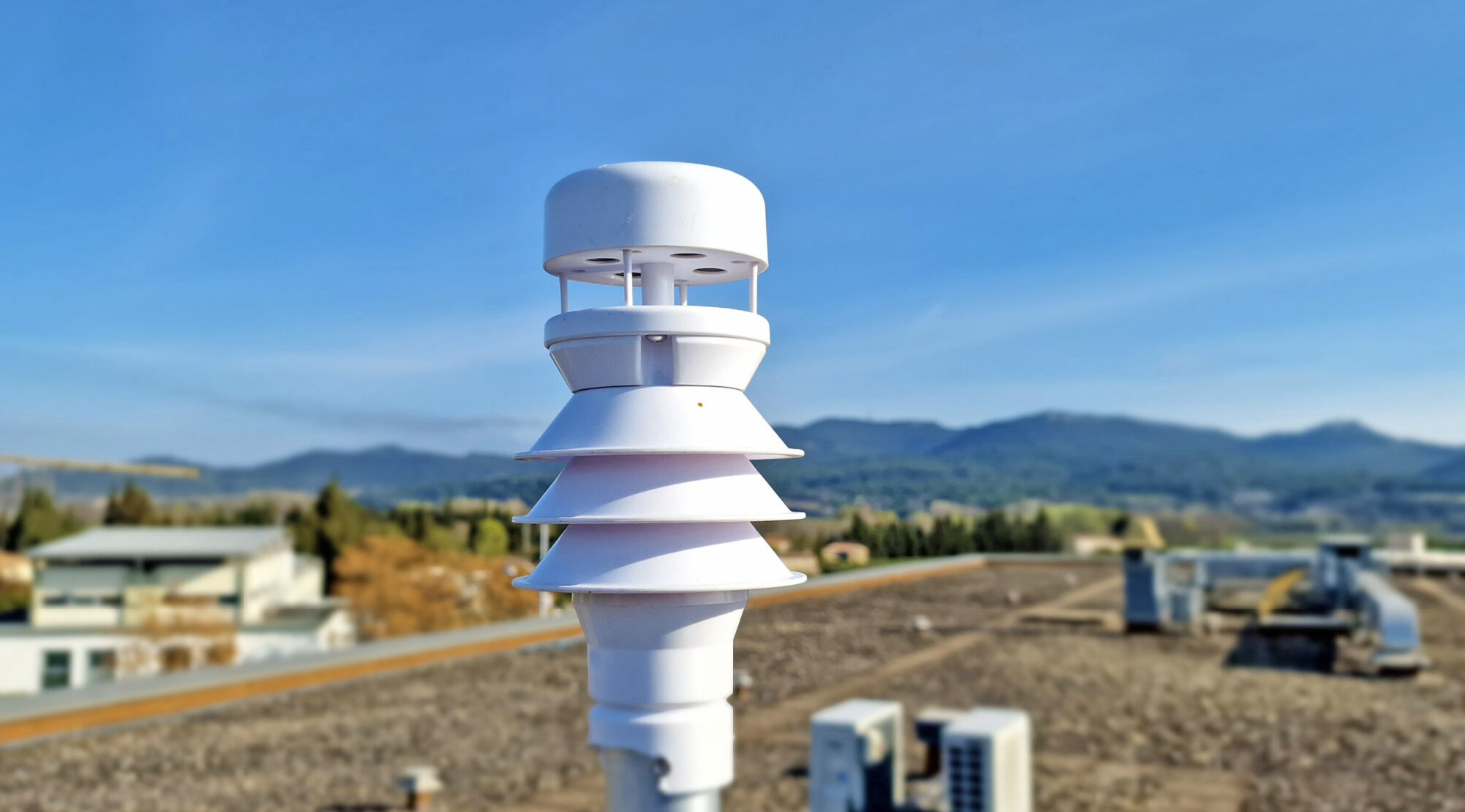
The Pollen Count & Alerts App provides Hartford residents with real-time pollen monitoring specifically calibrated for the Connecticut River Valley region. Track tree, grass, weed, and mold spore concentrations with location-specific data updated continuously using automated particulate sensors and neural network algorithms. Receive personalized alerts when pollen levels rise, allowing you to plan outdoor activities during low-pollen windows and take preventive measures before symptoms escalate.
Effective Allergy Management Strategies for Hartford
Implementing these evidence-based strategies can significantly reduce allergy symptoms during Hartford's extended pollen seasons.
- Use the Pollen Count & Alerts App: Monitor real-time pollen levels and receive customized alerts to plan outdoor activities during low-pollen periods, especially avoiding morning and afternoon hours when counts peak
- Maintain Indoor Air Quality: Keep windows closed during high pollen days, run air conditioning with clean filters, and create a pollen-free sanctuary inside your home to minimize exposure
- Practice Personal Hygiene: Shower and wash hair before bed to remove pollen accumulated during the day, change clothes after outdoor activities, and rinse nasal passages with saline solution
- Install HEPA Air Purifiers: Use high-efficiency particulate air filters in bedrooms and main living areas to capture pollen particles, especially critical during March through May and September when Hartford experiences peak allergen levels
- Consult a Board-Certified Allergist: Seek professional evaluation for persistent symptoms, consider immunotherapy for long-term relief, and develop a personalized treatment plan including antihistamines, nasal sprays, or prescription medications tailored to Hartford's specific allergen profile
App Features to Enhance Your Allergy Management
The Pollen Count & Alerts App delivers comprehensive tools specifically designed for Hartford's challenging allergy environment.
- Real-Time Pollen Counts: Access the latest pollen data specific to Hartford and surrounding Connecticut communities, updated continuously from automated monitoring stations throughout the region
- Customized Alerts: Receive personalized notifications when tree, grass, ragweed, or mold spore levels rise in your area, allowing proactive symptom management before exposure
- Accurate Forecasts: View multi-day pollen predictions based on weather patterns, historical data, and seasonal trends unique to the Connecticut River Valley microclimate
- Educational Content: Learn about specific allergens affecting Hartford including oak, maple, birch, timothy grass, and ragweed species with expert guidance on symptom recognition and treatment
- Intuitive Design: Navigate easily through location-based data, daily and weekly trends, and allergen-specific tracking with a user-friendly interface designed for quick decision-making


Explore More About Managing Seasonal Allergies
- Understanding Allergy Pollen Counts: Your Comprehensive Guide – Learn how to interpret pollen count levels and develop effective strategies to minimize your allergy symptoms throughout the year.
- Why Are My Allergies So Bad Right Now? | Pollen Count & Alerts App Blog – Discover the reasons why your allergies may intensify unexpectedly, including climate factors and environmental changes.
- Do Allergies Get Worse as You Age? | Pollen Count & Alerts App Blog – Understand how allergic sensitivities evolve throughout your lifetime and what to expect as you age.
Stay updated with the latest tips and insights by visiting the Alert Pollen Blog.
Pollen count in nearby cities
FAQ
When is pollen season in Hartford, CT?
Pollen season in Hartford typically runs from late February through late October, with the most intense periods occurring in spring (March-May) and early fall (September). Tree pollen dominates from March through early June, with oak, maple, and birch being the primary culprits. Grass pollen peaks in June and July, while ragweed pollen creates severe conditions in September, making it one of the most challenging months for allergy sufferers in Hartford.
What are the most common allergens in Hartford, CT?
Hartford's most problematic allergens include oak (red oak and black oak), maple (red, sugar, and silver maple), birch, hickory, and ash trees during spring. Grass allergens like timothy grass, orchard grass, and Kentucky bluegrass peak in summer. However, ragweed is considered the worst offender in the region, creating severe allergy conditions from August through the first frost, with September being particularly intense. Hartford consistently ranks among the top 5 cities nationally for worst seasonal allergies due to its abundance of these allergenic species.
How can I use the Pollen Count & Alerts App to manage my allergies in Hartford?
The Pollen Count & Alerts App provides real-time pollen counts specific to Hartford, allowing you to plan outdoor activities on lower pollen days and take preventive medication before counts spike. Set up personalized alerts for the specific allergens that affect you most—whether oak and maple in spring or ragweed in fall—so you can take action before symptoms begin. This proactive approach is especially valuable in Hartford, where pollen levels can change rapidly due to the city's river valley location and wind patterns.
Final Thoughts
Living in Hartford means facing one of the most challenging allergy environments in the United States, with extended pollen seasons affecting residents from late winter through fall. However, understanding when specific allergens peak—from oak and maple in spring to ragweed in September—empowers you to take control of your health. The Pollen Count & Alerts App puts Hartford-specific pollen data at your fingertips, helping you navigate the city's prolonged and intense allergy seasons with confidence.
Don't let Hartford's pollen keep you indoors. Download the Pollen Count & Alerts App today and take the first step toward managing your allergies proactively.
Take Control of Your Allergies Today
The Pollen Count & Alerts App delivers real-time pollen counts, personalized alerts for your specific allergens, and comprehensive forecasts tailored to Hartford's unique pollen patterns. Whether you're preparing for oak season in April or bracing for ragweed in September, our app helps you stay one step ahead of your symptoms. Download now and breathe easier all year long.