Merced lies in California’s San Joaquin Valley, where winter rainfall gives way to hot, dry summers. Spring tree pollen overlaps with grasses in late spring and summer, followed by weeds into autumn. Irrigated landscapes and nearby agricultural land can provide additional pollen sources. This guide explains Merced’s main allergens, approximate pollen seasons, daily monitoring options, and practical ways to reduce exposure.
Understanding Pollen Counts in Merced
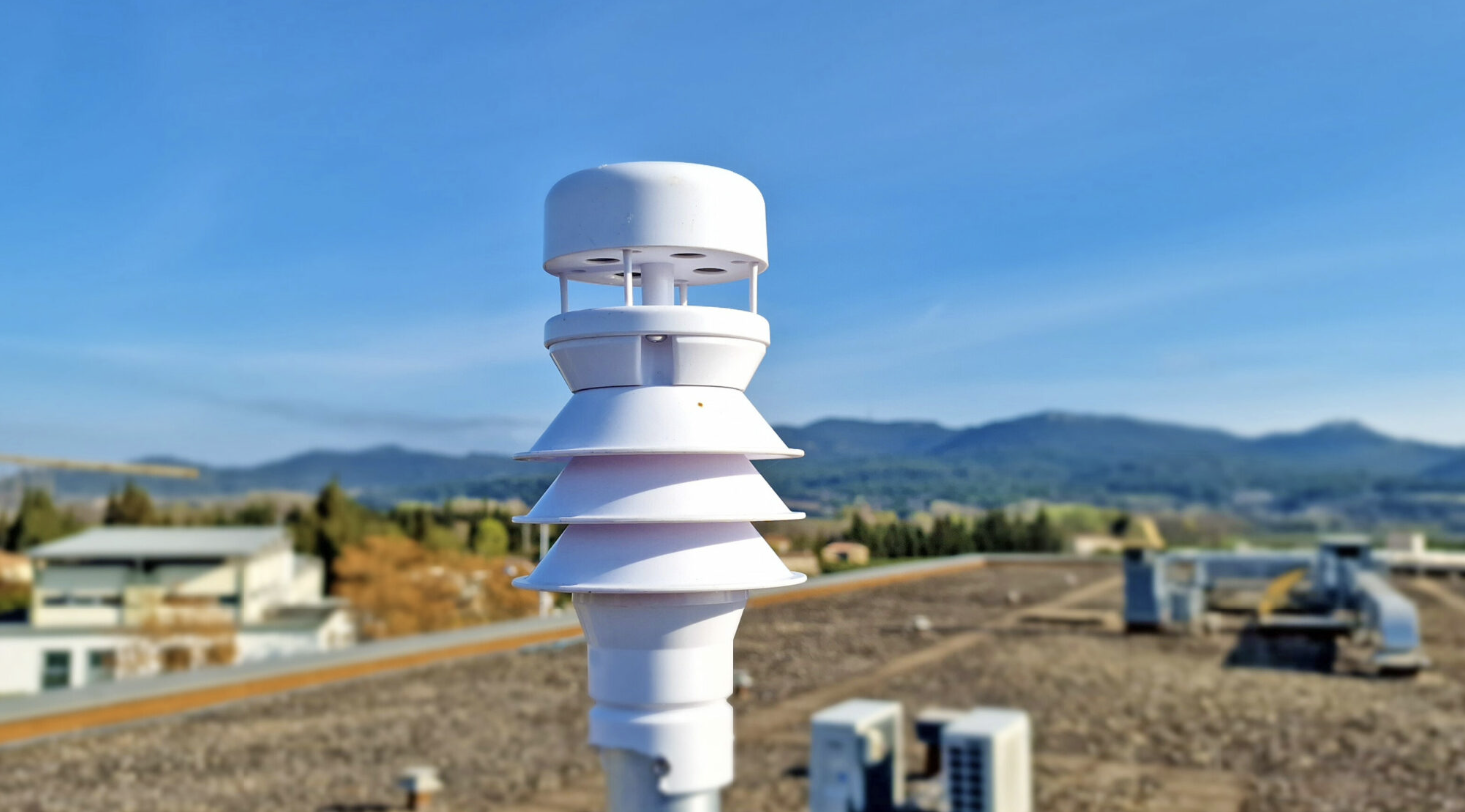
A pollen count measures the concentration of airborne pollen, usually reported as grains per cubic meter of air collected by a sampling instrument. Forecast services may instead show modeled indices, and no verified public pollen-counting station in Merced was identified in the supplied research. When relevant pollen levels rise, people with allergies may experience sneezing, congestion, a clear runny nose, and itchy or watery eyes.
Key Pollen Sources in Merced
Ash is especially relevant to Merced’s urban landscape: the city’s 2019 inventory recorded 44,107 public street and park trees, with Arizona ash accounting for 10.5% and Raywood ash for 5.3%. Together, those groups represented approximately 15.8% of inventoried trees, although tree abundance does not establish their share of airborne pollen. Other locally supported allergens include mulberry, oak, olive, grasses, and agricultural weeds.
- Tree Pollen: Broad regional guidance places tree season in February–May; ash is generally active in February–April, mulberry in March–April, and olive in April–June.
- Grass Pollen: The broad grass season runs April–July, with some species extending later; UC IPM documents Bermuda grass flowering in June–September and Johnson grass in May–October.
- Weed Pollen: Broad local guidance places weed season in August–November; relevant sources include western ragweed, pigweed, lamb’s quarters, mugwort, and Russian thistle.
These seasonal windows combine documented local plants with regional guidance; they are approximate exposure windows rather than measured Merced monthly averages. Available observations do not establish whether Merced’s 2026 pollen season was worse than 2025.
Merced’s Seasonal Pollen Patterns
Merced’s approximate pollen calendar shifts from trees to grasses and weeds, with overlap between seasons.
- Spring (March–May): Tree pollen is prominent, including ash, mulberry, oak, and olive; grasses begin contributing in April.
- Summer (June–August): Grasses remain important, including Bermuda grass and Johnson grass, while pigweed, lamb’s quarters, and other weeds become active.
- Autumn (September–November): Weed pollen can continue through November, while Bermuda grass may flower into September and Johnson grass into October.
- Winter (December–February): This period generally falls outside the main grass and weed seasons, but ash and other early tree pollen can begin in February.
Follow Daily Pollen Conditions in Merced
Use the Pollen Count & Alerts App for daily monitoring and real-time tracking of available tree pollen, grass pollen, weed pollen, and mold spore information. Check each update’s timestamp and whether it represents a forecast, modeled index, or measured count; real-time updates do not establish that a local sampling station exists.
Practical Ways to Manage Seasonal Allergies
Build a consistent routine that combines exposure awareness, cleaner indoor air, and care tailored to your symptoms.
- Use the Pollen Count & Alerts App: Review available pollen updates and alerts before planning outdoor activities, paying attention to the allergens that trigger your symptoms.
- Maintain Indoor Air Quality: Keep windows closed during elevated pollen conditions and maintain ventilation filters to limit outdoor particles entering your home.
- Practice Personal Hygiene: After outdoor activities, change clothes and wash your face and hair to reduce pollen carried indoors.
- Use HEPA Purifiers: Run a properly sized HEPA air purifier in frequently used rooms to help remove airborne particles, including pollen.
- Consult an Allergist: Discuss persistent symptoms, suspected triggers, and any asthma concerns to develop an appropriate testing and treatment plan.
App Features That Support Your Allergy Routine
The Pollen Count & Alerts App brings pollen information, alerts, forecasts, and educational resources together to support everyday allergy planning.
- Real-Time Pollen Counts: Follow the latest available location-based pollen updates, checking timestamps and whether values are measured counts or modeled indices.
- Customized Alerts: Set alerts around relevant pollen conditions to help plan your day.
- Accurate Forecasts: Use forecasts to anticipate changing exposure, while recognizing that accuracy varies with weather, location, and available observations.
- Educational Content: Learn about common pollen sources, seasonal patterns, and ways to reduce exposure.
- Intuitive Design: Review pollen information and allergy planning tools through an easy-to-navigate interface.


Explore More Ways to Manage Seasonal Allergies
- Understanding Allergy Pollen Counts: Your Comprehensive Guide – Learn what pollen counts mean and how to use them to plan practical steps for managing seasonal allergies.
- Why Are My Allergies So Bad Right Now? | Pollen Count & Alerts App Blog – Explore why allergy symptoms can suddenly worsen, including changes in exposure, weather, and surrounding irritants.
- Do Allergies Get Worse as You Age? | Pollen Count & Alerts App Blog – Discover how allergy symptoms can change with age and why your usual seasonal pattern may shift over time.
Stay updated with seasonal allergy tips and insights by visiting the Pollen Count & Alerts Blog.
Pollen count in nearby cities
FAQ
When is pollen season in Merced, CA?
Merced’s tree pollen season generally runs from February through May, with ash busiest around February–March, mulberry and oak around March–April, and olive around May. Grass pollen typically overlaps from April through July, although Bermuda grass can continue into September and Johnson grass into October. Weed pollen generally occurs from August through November, with ragweed and Russian thistle among the relevant triggers. These windows are approximate regional estimates supported by local plant records, rather than measured Merced monthly averages.
What are the main pollen allergens in Merced, CA?
Locally supported tree allergens include Arizona ash and Raywood ash, typically busiest in February–March; white mulberry and valley oak, around March–April; and European olive, around May. Perennial and Italian ryegrass are generally busiest in May–June, while Bermuda grass peaks approximately June–August and Johnson grass is most active in summer. Weed allergens include western ragweed, with an estimated August–October peak; redroot pigweed and lamb’s quarters, approximately July–September; and Russian thistle, approximately August–September. These expected peak periods can shift with weather, and local plant records do not establish which species contributes the most airborne pollen.
How can I reduce pollen exposure during Merced’s overlapping allergy seasons?
Check the Pollen Count & Alerts App before outdoor activities, using the reporting date and relevant pollen types to guide your plans around Merced. On days with elevated pollen, keep windows closed, avoid mowing or standing near freshly cut grass, and change clothes after spending time outdoors. Check local air-quality reports separately, since smoke and agricultural dust can add irritation and AQI does not measure pollen.
Final Thoughts
Merced’s spring trees, summer grasses, and autumn weeds can create a lengthy stretch of pollen exposure. Understanding their approximate seasons and checking the Pollen Count & Alerts App can help you make informed plans for outdoor activities.
Download the Pollen Count & Alerts App to keep pollen information close at hand and support your daily allergy planning.
Sources
Take Charge of Your Pollen Planning Today
Use the Pollen Count & Alerts App to access real-time pollen counts where available, personalized alerts, and comprehensive forecasts. Check whether information for Merced represents a forecast or a measured count, then use the updates to plan your day around relevant pollen levels.