Modesto sits in California's San Joaquin Valley, where hot, dry summers and extensive agricultural operations create some of the state's highest airborne allergen concentrations. Surrounded by the Sierra Nevada mountains to the east and Coast Ranges to the west, this bowl-like geography traps pollen and agricultural dust, making the region consistently rank among the worst for asthma and allergies in the nation. This article covers Modesto's primary pollen types, seasonal patterns, peak allergy months, and effective management strategies to help residents navigate year-round allergen exposure.
Understanding Pollen Count in Modesto
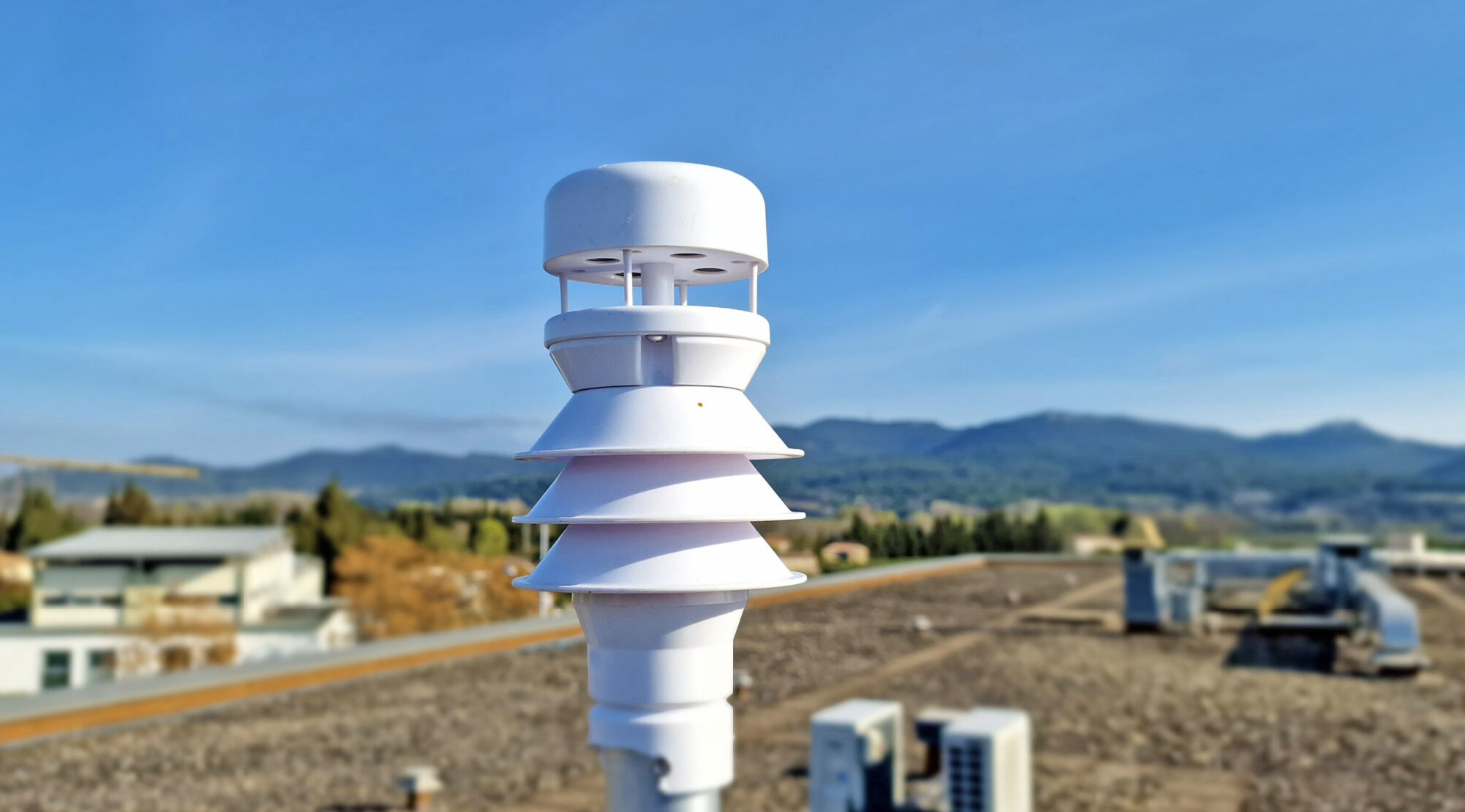
Pollen count measures the concentration of pollen grains per cubic meter of air, with levels categorized as low, moderate, high, or very high. In Modesto, automated particulate sensors using neural network algorithms provide real-time species-specific pollen identification. When counts are high, residents commonly experience sneezing, congestion, itchy eyes, runny nose, and asthma exacerbations, particularly during the April through June peak season.
Key Pollen Types and Trends in Modesto
Modesto's pollen landscape is dominated by three major categories that overlap throughout the year, creating prolonged allergy seasons. The Central Valley's massive agricultural operations, combined with urban ornamental plantings and invasive weed species, produce some of California's highest allergen concentrations. Recent monitoring data shows that tree pollen, grass pollen, and weed pollen each have distinct seasonal peaks that together create nearly year-round exposure.
- Tree Pollen: Dominated by oak, walnut, and almond from commercial orchards, with peak concentrations during March through May producing massive pollen loads
- Grass Pollen: Ryegrass and Bermuda grass create peak allergen levels from April through July, thriving in Modesto's hot, dry summer climate
- Weed Pollen: Ragweed and sagebrush contribute significant fall allergen loads from August through November, with agricultural amaranth and Russian thistle adding to the burden
The San Joaquin Valley's bowl-shaped geography prevents pollen dispersal, while agricultural harvest operations particularly during almond season in August and September generate enormous dust clouds that combine with pollen to create severe respiratory challenges. Wildfire smoke during recent catastrophic fire seasons has added weeks of hazardous air quality on top of normal pollen exposure, compounding inflammation and prolonging allergy symptoms.
Seasonal Pollen Patterns in Modesto
Modesto experiences distinct pollen seasons that overlap to create nearly continuous allergen exposure throughout the year.
- Spring (March to May): Tree pollen dominates with oak, walnut, almond, maple, and willow producing peak concentrations, with April through June representing the worst overall allergy months
- Summer (June to August): Grass pollen peaks from ryegrass, Bermuda grass, Timothy grass, foxtail, and Johnson grass, while late summer marks the beginning of ragweed season
- Fall (September to November): Weed pollen from ragweed, sagebrush, amaranth, and Russian thistle creates late-season allergen loads, with agricultural harvest dust compounding respiratory irritation
- Winter (December to February): Lowest pollen period overall, though juniper and cedar may release pollen during warm spells in late February as tree season begins emerging
Access Daily Pollen Data for Modesto
The Pollen Count & Alerts App provides real-time pollen monitoring specifically for Modesto and the Central Valley region. Track daily concentrations of tree, grass, weed pollen, and mold spores with species-specific identification powered by automated sensors and neural network technology. Receive customized alerts during peak pollen periods to plan outdoor activities when allergen levels are lowest.
Effective Allergy Management Strategies for Modesto Residents
Managing allergies in the San Joaquin Valley requires proactive strategies tailored to the region's prolonged pollen seasons and agricultural dust exposure.
- Use the Pollen Count & Alerts App: Monitor real-time pollen levels and receive alerts to plan outdoor activities during low-pollen times, particularly avoiding mid-morning through afternoon when counts peak
- Maintain Indoor Air Quality: Keep windows closed during high pollen days, especially during April through June peak season and during agricultural harvest operations
- Practice Personal Hygiene: Shower and change clothes after outdoor exposure to remove pollen from hair and skin, preventing nighttime allergen contact
- Install HEPA Air Purifiers: Use high-efficiency filters in bedrooms and main living areas to capture airborne pollen, agricultural dust, and wildfire smoke particles
- Consult an Allergist: Seek professional evaluation for immunotherapy or medication management, particularly important given the Central Valley's ranking among the worst regions for asthma and allergies
Pollen Count & Alerts App Features for Modesto Allergy Sufferers
The Pollen Count & Alerts App offers comprehensive tools designed specifically for navigating the Central Valley's challenging allergen environment.
- Real-Time Pollen Counts: Access the latest species-specific pollen data for tree, grass, and weed allergens in Modesto and surrounding San Joaquin Valley areas
- Customized Allergy Alerts: Receive personalized notifications when pollen levels for your specific allergens reach moderate, high, or very high concentrations
- Accurate Pollen Forecasts: View 5-day forecasts to plan outdoor activities, travel, and medication schedules around anticipated peak allergen periods
- Educational Allergen Content: Learn about Central Valley-specific pollen types including oak, walnut, almond, ryegrass, Bermuda grass, ragweed, and sagebrush
- Intuitive User Interface: Navigate easily between daily counts, seasonal calendars, and health management tips with a clean, user-friendly design


Explore More on Managing Seasonal Allergies
- Understanding Allergy Pollen Counts: Your Comprehensive Guide – Learn how to interpret pollen count levels and develop effective strategies to minimize your exposure to allergens throughout the year.
- Why Are My Allergies So Bad Right Now? | Pollen Count & Alerts App Blog – Discover the reasons why your allergy symptoms may intensify unexpectedly, including environmental factors and climate change impacts.
- Do Allergies Get Worse as You Age? | Pollen Count & Alerts App Blog – Understand how your immune system and allergy sensitivities evolve over time, from childhood through adulthood and into senior years.
Stay updated with the latest tips and insights by visiting the Alert Pollen Blog.
Pollen count in nearby cities
FAQ
When is pollen season in Modesto, CA?
Pollen season in Modesto runs nearly year-round, but the worst period is from April through June when tree and grass pollen overlap. Tree pollen begins in late February with oak, walnut, and almond, peaks in March and April, then transitions to grass pollen (ryegrass, Bermuda, Timothy) from April through July. Fall brings ragweed and sagebrush from August through October, making Modesto's location in the San Joaquin Valley particularly challenging for allergy sufferers.
What are the most common allergens in Modesto, CA?
The most common allergens in Modesto include oak, walnut, and almond tree pollen during spring (March-May), ryegrass and Bermuda grass pollen in late spring and summer (April-July), and ragweed plus sagebrush during fall (August-October). The agricultural landscape surrounding Modesto contributes massive amounts of pollen from commercial orchards, while urban areas add olive and mulberry tree pollen. Agricultural dust during harvest season, especially from almond harvesting in August and September, compounds the allergen load in this Central Valley city.
How can I protect myself from pollen in Modesto's agricultural environment?
Monitor daily pollen counts through the Pollen Count & Alerts App to plan outdoor activities when levels are lowest, typically after rain or in early morning hours. Keep windows closed during peak pollen season (April-June) and use air conditioning with HEPA filters to reduce indoor allergen exposure. Be especially cautious during agricultural harvest periods in late summer when dust and pollen concentrations reach their highest levels in the San Joaquin Valley.
Final Thoughts
Living in Modesto means facing some of California's most challenging pollen conditions due to the San Joaquin Valley's geography, extensive agriculture, and nearly year-round growing season. However, understanding which allergens affect you during different seasons and tracking daily pollen levels empowers you to take control of your health. The Pollen Count & Alerts App provides the real-time information you need to make informed decisions about outdoor activities and allergy management.
Download the Pollen Count & Alerts App today to receive personalized alerts specific to Modesto's unique allergen environment. With accurate forecasts and timely notifications, you can better manage your symptoms and enjoy life in the Central Valley.
Take Control of Your Allergies Today
The Pollen Count & Alerts App delivers real-time pollen counts, personalized alerts based on your specific sensitivities, and comprehensive five-day forecasts tailored to Modesto's agricultural and geographic conditions. Stay one step ahead of tree, grass, and weed pollen with accurate data from advanced monitoring sensors. Download the app now and breathe easier throughout every season in the San Joaquin Valley.