Jacksonville, located on Florida's northeastern coast, experiences a subtropical climate that creates one of the most challenging allergy environments in the United States. The city's warm, humid conditions and abundant vegetation support near year-round pollen production, with oak, pine, and cedar trees serving as primary allergen sources. This guide covers Jacksonville's unique pollen patterns, seasonal trends, peak allergen times, and effective strategies for managing allergy symptoms throughout the year.
Understanding Pollen Count in Jacksonville
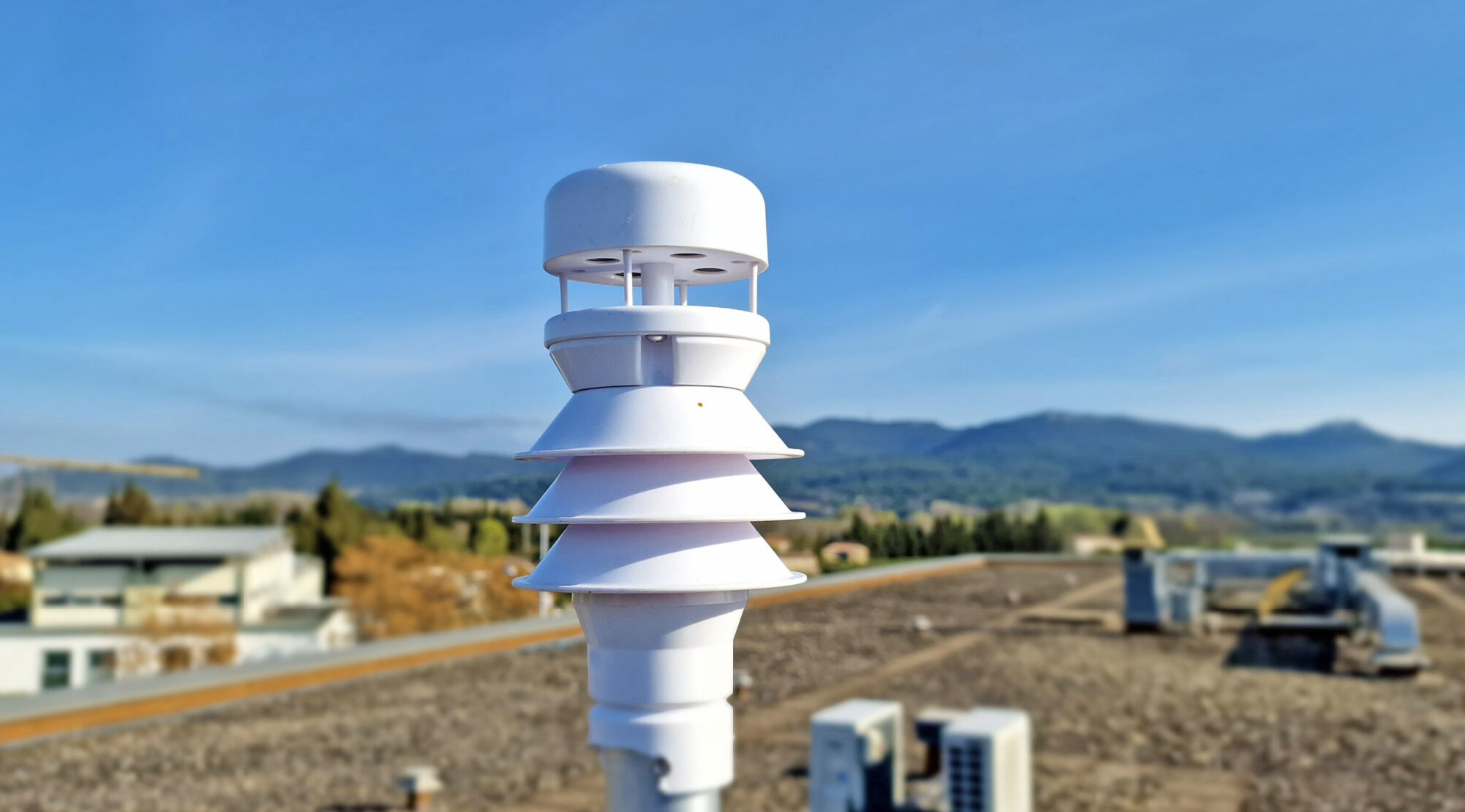
Pollen count measures the concentration of pollen grains per cubic meter of air, indicating allergen exposure levels. In Jacksonville, certified monitoring stations use volumetric spore traps positioned on rooftops to sample airborne pollen at least three days per week. When pollen counts rise, residents commonly experience sneezing, itchy and watery eyes, runny or stuffy nose, chronic cough, and sinus pressure, with symptoms often most severe between 5:00 AM and 10:00 AM.
Key Pollen Types and Allergen Trends in Jacksonville
Jacksonville ranks among the top 25 most challenging cities for allergy sufferers according to the Asthma and Allergy Foundation of America's 2025 Allergy Capitals list. The city's subtropical location creates overlapping pollen seasons with minimal dormancy periods, resulting in continuous allergen exposure that distinguishes Jacksonville from northern climates where seasonal breaks provide relief.
- Oak Pollen (Bluejack Oak): Most widespread and substantial allergen in Jacksonville, peaking from late February to early April with highly allergenic protein structures
- Pine Pollen: Produces massive quantities of yellow pollen visible on cars and outdoor surfaces throughout spring months, though less allergenic than oak
- Cedar Pollen: Causes intense "cedar fever" symptoms beginning in January, with Mountain Cedar and Eastern red cedar as primary sources
- Ragweed Pollen: Peaks during late summer into fall from July through November, affecting those with weed allergies
Florida's warm climate causes trees to pollinate much earlier than other parts of the United States, sometimes starting in December. The combination of air pollution with pollen exposure creates a compounding effect that worsens allergic reactions and respiratory complications, particularly for Jacksonville residents with asthma.
Seasonal Pollen Patterns in Jacksonville
Jacksonville experiences distinct seasonal pollen patterns that overlap throughout the year due to the subtropical climate.
- Winter (December to February): Tree pollen season begins with cedar, red maple, and elm trees pollinating as early as late January, establishing Jacksonville's extended allergen exposure period
- Spring (March to May): Peak tree pollen season dominated by oak, pine, river birch, cypress, and bayberry, with grass pollen beginning in April
- Summer (June to August): Grass pollen from Bermuda, Timothy, and Bahia varieties peaks from May through July, while weed pollen season begins in late summer
- Fall (September to November): Weed pollen from ragweed, pigweed, and lamb's quarters reaches peak levels, tapering off around November as grass pollen season concludes
Access Daily Pollen Data for Jacksonville
The Pollen Count & Alerts App provides Jacksonville residents with real-time pollen monitoring specific to their location. Track daily concentrations of tree, grass, weed, and mold spores with accurate forecasts and customized alerts that help you plan outdoor activities during low-pollen periods. Stay informed about current conditions and receive notifications when pollen levels spike in your area.
Effective Allergy Management Strategies for Jacksonville Residents
Managing year-round pollen exposure in Jacksonville requires proactive strategies and consistent monitoring.
- Use the Pollen Count & Alerts App: Monitor real-time pollen levels and receive alerts to plan outdoor activities during low-pollen times, particularly avoiding peak hours between 5:00 AM and 10:00 AM
- Improve Indoor Air Quality: Keep windows closed during high pollen periods, use air conditioning with clean filters, and wipe down surfaces to remove settled pollen particles
- Practice Personal Hygiene: Shower and wash hair before bed to remove pollen from skin and hair, change clothes after outdoor exposure, and avoid hanging laundry outside during peak seasons
- Install HEPA Air Purifiers: Use high-efficiency particulate air filters in bedrooms and living spaces to capture airborne pollen, mold spores, and other allergens indoors
- Consult an Allergist: Seek professional evaluation for persistent symptoms, consider allergy testing to identify specific triggers, and discuss immunotherapy or medication options for long-term management
App Features to Enhance Your Allergy Management
The Pollen Count & Alerts App offers comprehensive tools designed specifically for Jacksonville's year-round pollen challenges.
- Real-Time Pollen Counts: Access the latest pollen data specific to Jacksonville with updates from certified monitoring stations throughout Northeast Florida
- Customized Allergen Alerts: Receive personalized notifications when oak, pine, cedar, grass, or ragweed levels exceed your sensitivity thresholds
- Accurate 5-Day Forecasts: Plan your week with detailed predictions of pollen levels based on weather conditions, wind patterns, and seasonal trends
- Educational Allergen Content: Learn about specific pollen types, peak seasons, symptom management strategies, and how Jacksonville's climate affects allergen exposure
- Intuitive User Interface: Navigate easily through pollen data, historical trends, and daily forecasts designed for quick access during busy mornings


Explore More on Managing Seasonal Allergies
- Understanding Allergy Pollen Counts: Your Comprehensive Guide – Learn how to interpret pollen count levels and develop effective strategies to minimize your exposure and symptoms throughout the year.
- Why Are My Allergies So Bad Right Now? | Pollen Count & Alerts App Blog – Discover the environmental and physiological factors that can cause your allergies to intensify unexpectedly, even if you've never had severe reactions before.
- Do Allergies Get Worse as You Age? | Pollen Count & Alerts App Blog – Understand how your immune system evolves over time and why allergies can develop, worsen, or even improve as you age.
Stay updated with the latest tips and insights by visiting the Alert Pollen Blog.
Pollen count in nearby cities
FAQ
When is pollen season in Jacksonville, FL?
Jacksonville experiences nearly year-round pollen activity due to its subtropical climate. Tree pollen dominates from December through May, with oak and pine peaking February to April. Grass pollen follows from April to November, while weed pollen like ragweed is most active July through November.
What are the most common allergens in Jacksonville, FL?
The primary allergens in Jacksonville are oak trees (especially Bluejack Oak), pine, and cedar, which produce massive amounts of pollen from winter through spring. Grass allergens including Bermuda, Timothy, and Bahia grass peak in late spring and summer. Ragweed, pigweed, and other weeds become problematic in late summer and fall.
How can I protect myself from pollen in Jacksonville?
Monitor daily pollen forecasts through the Pollen Count & Alerts App to plan outdoor activities, especially avoiding peak hours between 5:00 AM and 10:00 AM. Keep windows closed on high pollen days, shower after being outdoors, and use air purifiers indoors. The app provides personalized alerts so you can take antihistamines proactively before symptoms start.
Final Thoughts
Living in Jacksonville means facing one of the most challenging allergy environments in the United States, with overlapping pollen seasons creating nearly continuous exposure to oak, pine, cedar, and other allergens. However, armed with accurate pollen forecasts and the Pollen Count & Alerts App, you can take control of your allergy management and enjoy Florida's beautiful outdoors with greater confidence.
Download the Pollen Count & Alerts App today to receive real-time pollen data specific to Jacksonville and personalized notifications that help you stay one step ahead of your symptoms.
Take Control of Your Allergies Today
The Pollen Count & Alerts App provides real-time pollen counts for Jacksonville, personalized alerts based on your specific sensitivities, and comprehensive 5-day forecasts to help you plan your week. Whether you're dealing with oak pollen in spring or ragweed in fall, get the insights you need to manage your symptoms effectively and reclaim your outdoor lifestyle.