Tallahassee, located in North Florida's panhandle, experiences a subtropical climate with dense forest canopy and year-round allergen exposure. The city's temperate location and abundant oak-dominated canopy roads create spring pollen counts 10 times higher than South Florida cities like Miami. This guide covers Tallahassee's unique pollen types, seasonal patterns, monitoring resources, and effective management strategies to help residents and visitors navigate one of Florida's most challenging allergy environments.
Understanding Pollen Count in Tallahassee
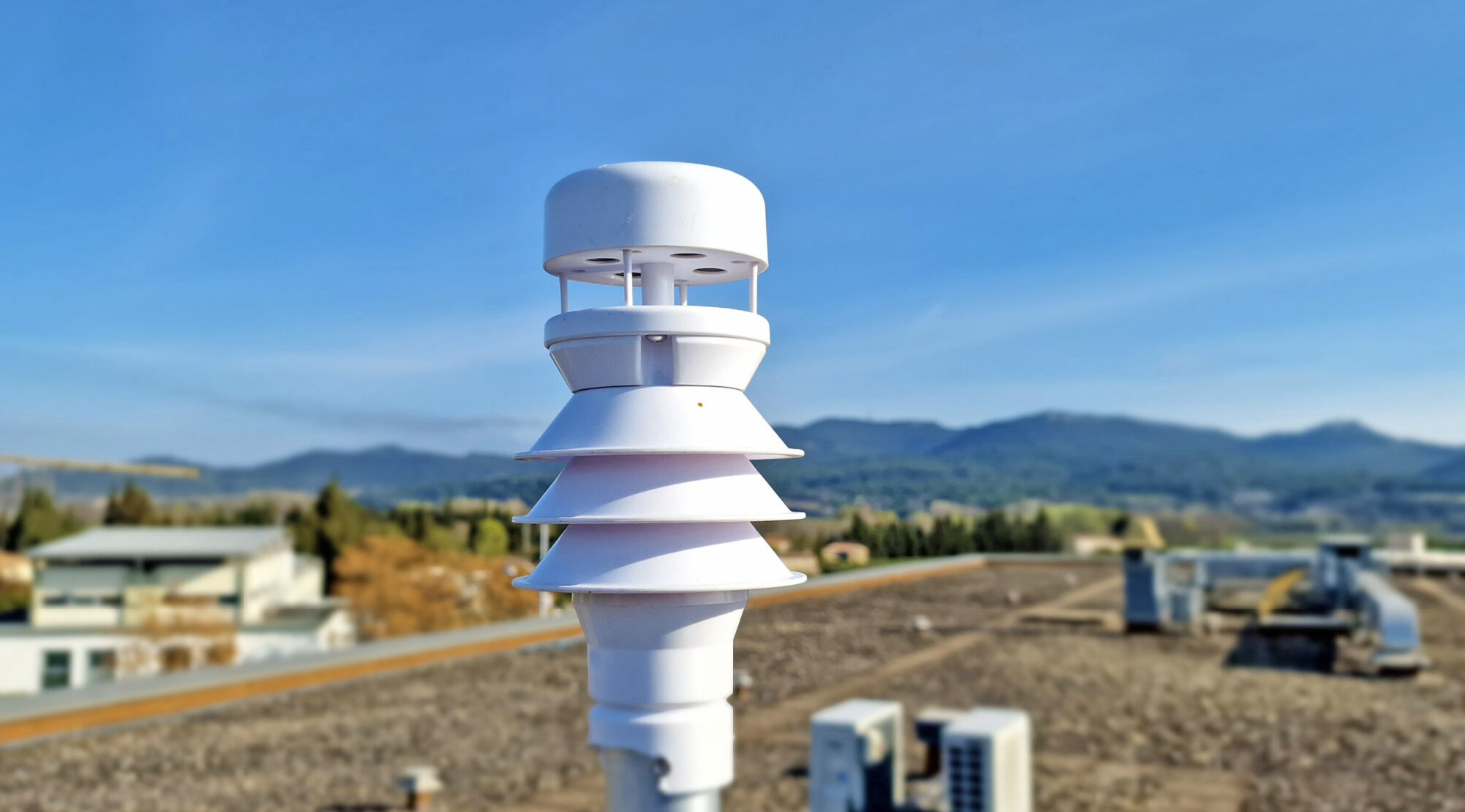
Pollen count measures the concentration of pollen grains per cubic meter of air, typically categorized as low, moderate, high, or very high. When counts exceed moderate levels, allergy sufferers commonly experience sneezing, congestion, itchy eyes, sinus pressure, and fatigue. Tallahassee's counts are monitored using automated particulate sensors with neural network algorithms that identify individual pollen species for accurate daily reporting.
Key Pollen Types and Significant Trends in Tallahassee
Tallahassee's allergen profile is dominated by tree pollen, particularly from oak and Eastern red cedar, alongside substantial grass and weed contributions. Climate change has extended the growing season by 26 freeze-free days since 1970, resulting in earlier pollen season starts and longer, more intense allergy periods. The city's dense forests and humid subtropical conditions enable year-round allergen production with no true relief months.
- Oak Pollen: The most significant allergen in Tallahassee, producing heavy pollen from February through May with peak levels in March and April
- Eastern Red Cedar Pollen: Causes winter "cedar fever" from December through February, catching residents off-guard with congestion and sinus pressure when allergies are unexpected
- Ragweed Pollen: Dominates fall allergies from August through November with peak severity in September and October, extended through December due to delayed frost
- Bermuda and Bahia Grass Pollen: Primary grass allergens thriving in North Florida's climate, peaking June through July during the April to September grass season
Pine pollen creates dramatic yellow-green clouds coating surfaces throughout the city during February through April, though its larger grain size makes it less allergenic than oak and cedar. The combination of year-round mold spores from high humidity and overlapping pollen seasons creates virtually continuous allergen exposure for Tallahassee residents.
Seasonal Pollen Patterns in Tallahassee
Tallahassee experiences distinct seasonal allergen patterns with overlapping periods that create year-round challenges.
- Winter (December to February): Eastern red cedar peaks creating "cedar fever" season, with maple beginning to pollinate in mild winters
- Spring (February to May): Peak allergy season dominated by oak, pine, hickory, pecan, sweetgum, and elm, with March and April showing the highest overall tree pollen levels
- Summer (April to September): Grass pollen season with Bermuda and Bahia grass peaking in June and July, alongside elevated year-round mold spores from humidity
- Fall (August to November): Weed pollen dominates with ragweed peaking in September and October, extending through November and early December due to delayed frost
Access Daily Pollen Data for Tallahassee
The Pollen Count & Alerts App provides real-time pollen monitoring specifically for Tallahassee, tracking tree, grass, weed, and mold spore levels throughout the year. With data from automated sensors and neural network analysis, you can access the latest counts and forecasts to plan your outdoor activities during low-pollen periods. Daily monitoring is essential in Tallahassee's year-round allergen environment where pollen types shift continuously across seasons.
Effective Allergy Management Strategies for Tallahassee Residents
Managing allergies in Tallahassee's challenging environment requires proactive strategies and consistent monitoring.
- Use the Pollen Count & Alerts App: Monitor real-time pollen levels and receive customized alerts to plan outdoor activities during low-pollen times specific to Tallahassee
- Improve Indoor Air Quality: Keep windows closed during peak pollen hours, use air conditioning with clean filters, and create a pollen-free zone in your home
- Practice Personal Hygiene: Shower and wash hair before bed to remove pollen, change clothes after outdoor activities, and rinse nasal passages with saline solution
- Install HEPA Air Purifiers: Use high-efficiency particulate air filters in bedrooms and main living areas to capture pollen, mold spores, and other allergens
- Consult an Allergist: Seek professional evaluation for personalized treatment plans including immunotherapy, especially given Tallahassee's year-round allergen exposure
App Features to Enhance Your Allergy Management in Tallahassee
The Pollen Count & Alerts App offers comprehensive tools designed to help Tallahassee residents navigate year-round pollen challenges.
- Real-Time Pollen Counts: Access the latest pollen data specific to Tallahassee, including oak, cedar, grass, ragweed, and mold spore levels
- Customized Alerts: Receive notifications when pollen levels rise in your area, allowing you to take preventive measures before symptoms worsen
- Accurate Forecasts: View multi-day pollen forecasts to plan outdoor activities, travel, and medication schedules around peak allergen periods
- Educational Content: Learn about Tallahassee's unique pollen types, seasonal patterns, climate change impacts, and evidence-based management strategies
- Intuitive Design: Navigate easily through clear visualizations, historical data, and personalized tracking to understand your specific allergy triggers


Explore More on Managing Seasonal Allergies
- Understanding Allergy Pollen Counts: Your Comprehensive Guide – Learn how to interpret pollen count levels and develop effective strategies to minimize your exposure and reduce allergy symptoms throughout the year.
- Why Are My Allergies So Bad Right Now? | Pollen Count & Alerts App Blog – Discover the scientific reasons why your allergies may intensify unexpectedly, including environmental changes, climate factors, and immune system responses.
- Do Allergies Get Worse as You Age? | Pollen Count & Alerts App Blog – Understand how your body's allergic responses evolve over time and why you might develop new sensitivities or experience relief from childhood allergies as you age.
Stay updated with the latest tips and insights by visiting the Alert Pollen Blog.
Pollen count in nearby cities
FAQ
When is pollen season in Tallahassee, FL?
Tallahassee experiences pollen exposure virtually year-round, with the most intense season occurring from February through May when tree pollen, especially oak, pine, hickory, and cedar, reaches peak levels. A secondary allergy season runs from August through November when ragweed and other weed pollens dominate, while Eastern Red Cedar causes winter "cedar fever" from December through February. Unlike South Florida, Tallahassee's temperate climate and dense forest canopy create continuous allergen challenges with no true relief periods.
What are the most common allergens in Tallahassee, FL?
The most significant allergens in Tallahassee are oak trees (Quercus spp.), which produce heavy pollen from February to May, and Eastern Red Cedar (Juniperus virginiana), which causes winter allergies from December to February. Other major allergens include pine trees that create visible yellow-green pollen clouds in spring, hickory and pecan trees, Bermuda and Bahia grasses peaking from June to July, and ragweed that dominates fall months from September through November. Year-round mold spores are also a major clinical concern due to the area's high subtropical humidity.
How can I use the Pollen Count & Alerts App to manage my allergies in Tallahassee?
The Pollen Count & Alerts App provides real-time pollen counts specific to Tallahassee, allowing you to plan outdoor activities during lower pollen periods and take preventive medications before high-count days. Set up personalized alerts for your specific allergens—whether it's oak in spring, ragweed in fall, or cedar in winter—so you're never caught off guard by Tallahassee's year-round pollen challenges. Use the app's forecasts to prepare for peak allergy days by keeping windows closed, limiting outdoor time during early morning hours when pollen counts are highest, and monitoring for thunderstorm warnings that can trigger asthma episodes.
Final Thoughts
Living in Tallahassee means facing one of Florida's most challenging allergy environments, with year-round pollen exposure from trees, grasses, weeds, and molds. However, armed with accurate information about seasonal patterns and real-time monitoring through the Pollen Count & Alerts App, you can take control of your allergy management and reduce the impact on your daily life. Understanding when oak, cedar, ragweed, and grass pollens peak allows you to be proactive rather than reactive in protecting your health.
Download the Pollen Count & Alerts App today to receive personalized pollen alerts tailored to Tallahassee's unique allergen profile. With accurate forecasts and timely notifications, you'll be prepared for every season's challenges.
Take Control of Your Allergies Today
The Pollen Count & Alerts App delivers real-time pollen counts, personalized alerts for your specific allergens, and comprehensive forecasts designed for Tallahassee's complex year-round allergy season. Don't let oak, cedar, ragweed, or grass pollen catch you unprepared—download the app now and breathe easier knowing you have the tools to manage your symptoms effectively. Start your journey to better allergy management with accurate, location-specific data at your fingertips.