Brantford, located in southern Ontario along the Grand River valley at 663 feet elevation, experiences one of Canada's most challenging allergy environments. The city's warm climate zone and agricultural setting contribute to an extended 8-month pollen season from late February through October, exposing residents to successive waves of tree, grass, and ragweed allergens. This guide provides comprehensive information about Brantford's pollen patterns, seasonal trends, and practical strategies to help you navigate allergy season with the latest monitoring tools and expert recommendations.
Understanding Pollen Count in Brantford
Pollen count measures the concentration of pollen grains per cubic meter of air, indicating the severity of allergen exposure on any given day. When pollen counts are high, allergy sufferers commonly experience symptoms including sneezing, nasal congestion, itchy or watery eyes, scratchy throat, and asthma exacerbation. Monitoring daily pollen levels helps you plan outdoor activities and take preventive measures during peak allergen periods.
Key Pollen Types and Recent Trends in Brantford
Brantford residents face exposure to multiple allergenic pollen types throughout the extended season, with climate change significantly intensifying the problem. Southern Ontario has experienced an explosion of pollen over the past 15-20 years, with earlier onset, longer seasons, and more potent allergens due to warming temperatures and pollution stress on plants.
- Common Ragweed: The dominant allergenic weed in Brantford with roadside populations reaching 4-16 plants per square meter; Ontario receives the highest ragweed pollen levels in Canada
- Tree Pollen: Birch, oak, maple, elm, and ash now release pollen simultaneously due to climate change, creating intense multi-allergen periods in April and May
- Grass Pollen: Kentucky Bluegrass, ryegrass, and Timothy grass dominate summer months with peak concentrations in June and July
- Overlapping Seasons: Species that historically released pollen at different times now overlap, with experts predicting worsening conditions each year
The 2024 season saw exceptionally early pollen release due to a mild winter, with allergists reporting they had never seen pollen this early before. Brantford's location in the Toronto-Hamilton corridor places it among Canada's top 5 worst allergy regions, compounded by the Grand River valley ecosystem that can concentrate airborne pollen and the agricultural landscape that favors ragweed proliferation.
Seasonal Pollen Patterns in Brantford
Brantford experiences distinct pollen peaks across four seasons with overlapping allergen types.
- Spring (March to May): Peak tree pollen season with birch, oak, maple, elm, and ash dominating; April is the most intense month for tree allergens
- Summer (June to August): Grass pollen reaches maximum levels in June and July with Kentucky Bluegrass, ryegrass, and Timothy grass; ragweed begins appearing in late July
- Fall (September to October): Ragweed dominates as the primary allergen along with mugwort, plantain, dock, and nettle until the first frost ends the season
- Winter (November to February): Minimal outdoor pollen activity; ash, poplar, and maple begin early production in late February as temperatures warm
Accessing Daily Pollen Data in Brantford
The Pollen Count & Alerts App provides Brantford residents with real-time pollen monitoring and accurate forecasts specific to your location. Track tree, grass, weed, and mold spore levels daily to plan outdoor activities during low-pollen periods and receive customized alerts when allergen concentrations spike. Stay informed with data from Canada's network of 32 monitoring stations operated by Aerobiology Research Laboratories, delivering approximately 80 percent forecast accuracy.
Effective Allergy Management Strategies for Brantford Residents
Implementing these practical strategies can significantly reduce your allergy symptoms throughout the extended pollen season.
- Use the Pollen Count & Alerts App: Monitor real-time pollen levels and receive alerts to plan outdoor activities during low-pollen times, especially during peak ragweed season in August and September
- Maintain Indoor Air Quality: Keep windows closed during high pollen days, particularly in April during tree pollen peak and summer grass season; use air conditioning with clean filters
- Practice Personal Hygiene: Shower and change clothes after outdoor activities to remove pollen from hair and skin; wash bedding weekly in hot water to eliminate accumulated allergens
- Install HEPA Air Purifiers: Use high-efficiency particulate air filters in bedrooms and main living areas to capture airborne pollen particles, especially beneficial during the 8-month pollen season
- Consult an Allergist: Schedule testing to identify specific allergen sensitivities among Brantford's numerous tree, grass, and weed species; discuss immunotherapy options for long-term relief
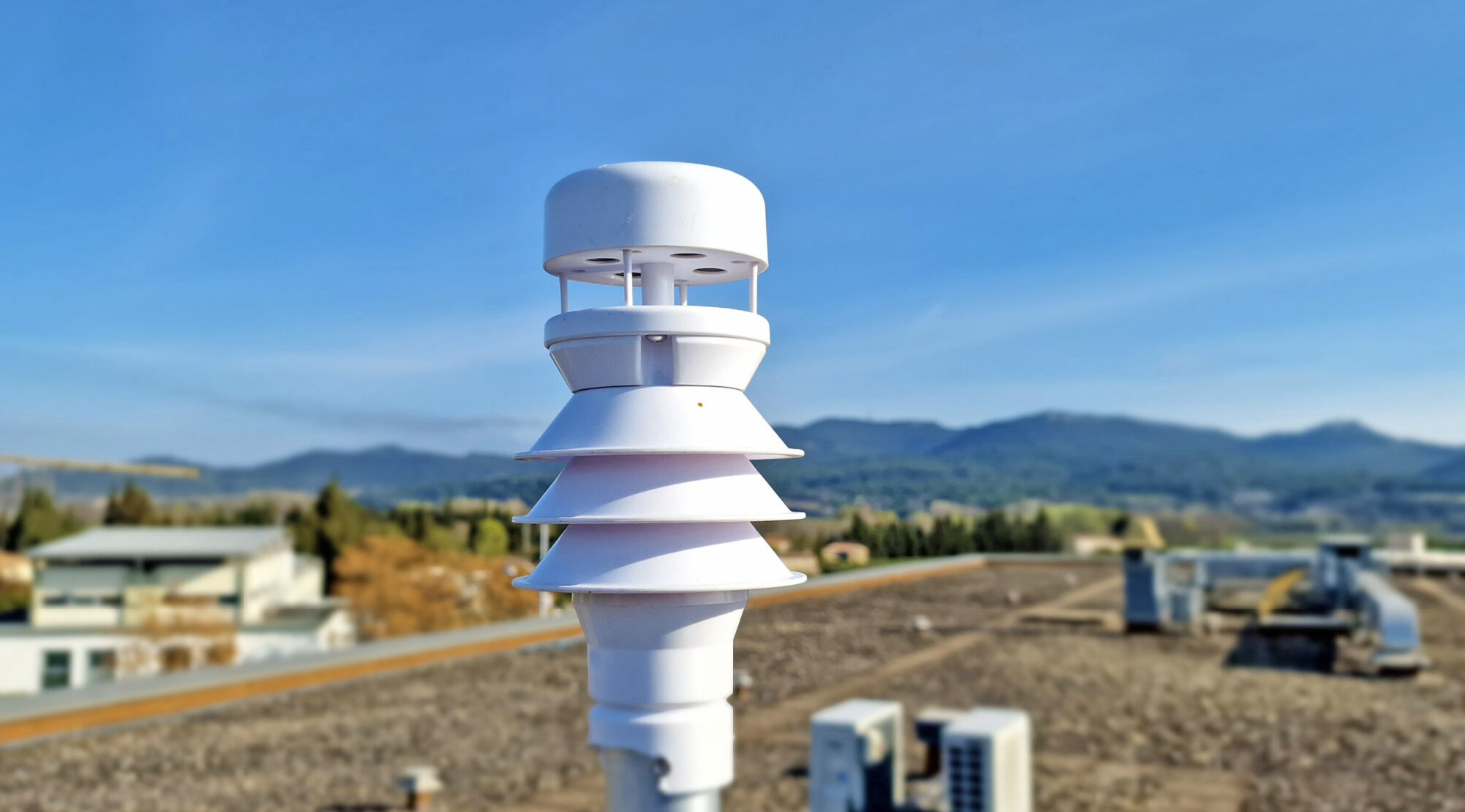
App Features to Enhance Your Allergy Management in Brantford
The Pollen Count & Alerts App delivers comprehensive tools designed specifically for navigating Brantford's challenging allergy environment.
- Real-Time Pollen Counts: Access the latest pollen data specific to Brantford from Canada's network of monitoring stations with updates throughout the day
- Customized Alerts: Receive notifications when pollen levels for your specific allergens reach high or very high concentrations, allowing you to adjust plans accordingly
- Accurate Forecasts: View multi-day pollen predictions for tree, grass, weed, and mold spores to prepare for upcoming high-pollen periods throughout the 8-month season
- Educational Content: Learn about local allergenic species including ragweed, birch, oak, Kentucky Bluegrass, and seasonal patterns unique to southern Ontario
- Intuitive Design: Navigate easily between current conditions, forecasts, and historical trends with a user-friendly interface optimized for quick daily checks


Explore More on Managing Seasonal Allergies
- Understanding Allergy Pollen Counts: Your Comprehensive Guide – Learn how to interpret pollen count levels and develop effective strategies to minimize your exposure and manage allergy symptoms throughout the season.
- Why Are My Allergies So Bad Right Now? | Pollen Count & Alerts App Blog – Discover the environmental and physiological factors that can cause your allergies to suddenly intensify, including climate change impacts and pollution effects.
- Do Allergies Get Worse as You Age? | Pollen Count & Alerts App Blog – Understand how your immune system and allergy sensitivities evolve over time, from childhood through adulthood and into senior years.
Stay updated with the latest tips and insights by visiting the Alert Pollen Blog.
Pollen count in nearby cities
FAQ
When is pollen season in Brantford, Ontario?
Pollen season in Brantford runs from late February through October, spanning approximately eight months. Tree pollen dominates from February to May with birch, oak, and maple peaking in April, followed by grass pollen from June to July, and ragweed taking over from August through the first frost in October. Climate change has been extending the season and causing earlier onset in recent years.
What are the most common allergens in Brantford?
The most common allergens in Brantford include tree pollen from birch, oak, maple, elm, and ash during spring (peaking in April), grass pollen from Kentucky bluegrass, timothy, ryegrass, and orchard grass in summer (June-July), and common ragweed during late summer and fall (August-October). Ragweed is particularly problematic as southern Ontario receives the highest ragweed pollen levels in Canada, making it the dominant allergen responsible for most hay fever cases in the region.
How can I protect myself from pollen in Brantford and use the app effectively?
Stay informed about daily pollen levels using the Pollen Count & Alerts App to receive real-time counts and personalized alerts for Brantford. Plan outdoor activities when pollen counts are lower, typically after rain or in the evening, and keep windows closed during peak pollen hours. The app's comprehensive forecasts help you prepare in advance during Brantford's extended eight-month pollen season.
Final Thoughts
Living in Brantford means navigating one of Canada's most challenging allergy environments, with an eight-month pollen season intensified by climate change and the region's location in southern Ontario's warm climate zone. However, with accurate information about local pollen patterns and the right tools, you can take control of your seasonal allergies. The Pollen Count & Alerts App provides Brantford-specific data to help you stay ahead of pollen peaks and plan your daily activities accordingly.
Download the Pollen Count & Alerts App today to receive personalized alerts and real-time pollen information tailored to Brantford's unique allergy landscape. Take the guesswork out of managing your allergies and enjoy more symptom-free days throughout the year.
Take Control of Your Allergies Today
The Pollen Count & Alerts App delivers real-time pollen counts for Brantford, personalized alerts based on your specific sensitivities, and comprehensive forecasts covering tree, grass, and ragweed pollen throughout the extended season. Whether you're dealing with spring birch pollen or late-summer ragweed, our app helps you stay one step ahead. Download now and start breathing easier.