Hamilton City is located in Glenn County in the Northern Sacramento Valley of California, where the mild valley climate and extensive agricultural landscape create unique pollen challenges year-round. The region experiences high concentrations of tree pollen in spring, grass pollen throughout summer due to irrigation, and weed pollen in fall, with molds persisting even in winter due to rare freezing temperatures. This guide covers Hamilton's main allergen types, seasonal patterns, health impacts, and resources for monitoring daily pollen levels.
Understanding Pollen Count in Hamilton, CA
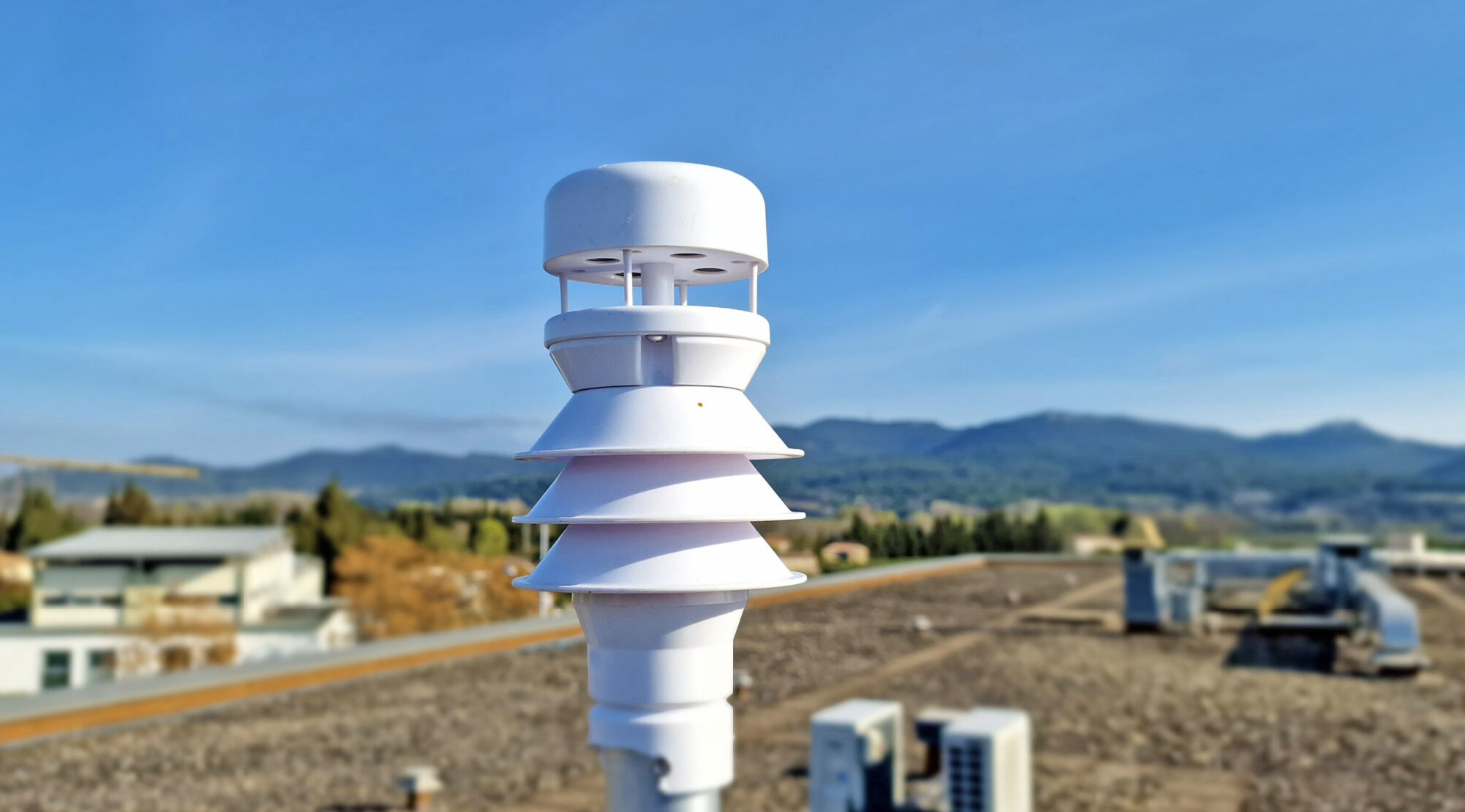
Pollen count measures the concentration of pollen grains per cubic meter of air, typically collected by monitoring stations positioned 15 meters above ground covering approximately a 30-kilometer radius. When pollen counts are high, allergy sufferers commonly experience runny nose, itching, sneezing, nasal congestion, red or watery eyes, and respiratory distress. In the Sacramento Valley, allergic rhinitis affects millions, with documented yearly outbreaks of seasonal allergic asthma particularly linked to grass pollen.
Key Pollen Types and Allergen Trends in Hamilton
Hamilton City experiences three major allergen categories throughout the year, with grasses recognized as the most important group causing hay fever in this region. Tree pollen dominates spring with particularly high oak concentrations, while summer brings highly allergenic grass pollen from species thriving in irrigated agricultural areas. Fall introduces ragweed and other weed pollens, and year-round mold exposure remains constant except on the rare freezing days.
- Tree Pollen: Oak dominates spring with moderately allergenic but high-concentration pollen; juniper, cedar, cypress, mulberry, olive, walnut, and alder contribute significantly to allergic disease
- Grass Pollen: Bermuda grass, Timothy grass, bluegrass, and bent grass produce highly allergenic pollen with peak activity in May and June, causing significant hay fever and asthma outbreaks
- Weed Pollen: Ragweed, wormwood, amaranth, orache, and coyote brush appear primarily in fall from September through October
- Mold Spores: Persist throughout winter months year-round due to mild valley climate with rare freezing temperatures
Climate change is lengthening the pollen season through warmer winters and potentially increasing overall pollen counts, while warm, wet springs can accelerate pollen release. Hamilton's location on the Sacramento Valley floor combined with heavy agricultural irrigation extends grass and weed pollen seasons well beyond natural rainfall patterns, making allergen exposure more prolonged than in non-agricultural regions.
Seasonal Pollen Patterns in Hamilton, CA
Hamilton City's pollen season typically runs from late January through early October, with distinct allergen patterns across the seasons.
- Winter (December to February): Alder, cedar, cypress, and juniper trees pollinate heavily in January and February; grasses begin increasing toward late February; molds remain constant throughout
- Spring (March to May): Oak dominates March through May alongside birch, ash, elm, maple, mulberry, poplar, sycamore, walnut, and willow; olive becomes a major allergen in May causing severe asthma symptoms
- Summer (June to August): Grasses peak in June with bluegrass, Bermuda, bent, and Timothy grass; privet continues into July; irrigation around agricultural fields sustains grass and weed activity throughout summer
- Fall (September to October): Ragweed, wormwood, amaranth, orache, and coyote brush produce fall weed pollen; overall pollen activity begins declining toward November
Access Daily Pollen Data in Hamilton, CA
The Pollen Count & Alerts App provides real-time pollen monitoring specifically for Hamilton City and surrounding areas in the Northern Sacramento Valley. Track daily counts for tree, grass, weed, and mold spores, receive customized alerts when pollen levels spike, and access accurate forecasts to plan your outdoor activities during low-pollen times. Stay informed with location-specific data collected from regional monitoring stations.
Effective Allergy Management Strategies for Hamilton Residents
Managing pollen allergies in Hamilton requires a combination of monitoring, environmental control, and personal care strategies.
- Use the Pollen Count & Alerts App: Monitor real-time pollen levels and receive alerts to plan outdoor activities during low-pollen times
- Improve Indoor Air Quality: Keep windows closed during peak pollen seasons, use air conditioning with clean filters, and reduce indoor allergen exposure
- Practice Personal Hygiene: Shower and change clothes after outdoor activities, wash hair before bed to remove pollen, and avoid touching your face
- Install HEPA Air Purifiers: Use high-efficiency particulate air filters in bedrooms and main living areas to capture airborne pollen and mold spores
- Consult an Allergist: Seek professional evaluation for persistent symptoms, consider allergy testing, and discuss treatment options including immunotherapy for long-term relief
Pollen Count & Alerts App Features for Hamilton Allergy Management
The Pollen Count & Alerts App offers comprehensive tools designed specifically to help Hamilton residents manage their allergies effectively.
- Real-Time Pollen Counts: Access the latest pollen data specific to Hamilton City and the Northern Sacramento Valley region
- Customized Pollen Alerts: Receive personalized notifications when pollen levels for your specific allergens reach high or very high concentrations
- Accurate Pollen Forecasts: View multi-day forecasts combining plant information with local climate and weather data for reliable planning
- Educational Allergen Content: Learn about oak, grass, ragweed, and other local pollen types, their seasons, and health impacts specific to the Sacramento Valley
- Intuitive User Design: Navigate easily through a clean interface to track tree, grass, weed, and mold levels with visual indicators and trend charts


Explore More on Managing Seasonal Allergies
- Understanding Allergy Pollen Counts: Your Comprehensive Guide – Learn how to interpret pollen count levels and develop effective daily strategies to minimize your exposure and symptoms throughout the year.
- Why Are My Allergies So Bad Right Now? | Pollen Count & Alerts App Blog – Discover the environmental and biological factors that can cause your allergies to suddenly intensify, even if you've never had severe reactions before.
- Do Allergies Get Worse as You Age? | Pollen Count & Alerts App Blog – Understand how your immune system evolves over time and why you might develop new allergies or see existing ones improve as you age.
Stay updated with the latest tips and insights by visiting the Alert Pollen Blog.
Pollen count in nearby cities
FAQ
When is pollen season in Hamilton, California?
In Hamilton City, California, pollen season typically runs from late January through early October. The season begins with alder, cedar, and juniper in January-February, followed by oak and mulberry dominating March through April, olive and grasses peaking in May-June, and concluding with ragweed and other weeds in September-October. Due to the mild Sacramento Valley climate, mold allergens persist year-round except on rare freezing days.
What are the most common allergens in Hamilton, California?
Hamilton City's most common allergens include oak trees (dominant in spring, March-May), mulberry trees heavily planted in local developments (April), olive trees causing severe symptoms (May), and Bermuda and Timothy grasses (peaking May-June). Additional significant allergens include juniper/cedar/cypress (winter/early spring), walnut and pecan trees, and fall weeds like ragweed, wormwood, and amaranth (September-October). The area's extensive agricultural irrigation extends grass and weed pollen seasons well into summer around irrigated fields.
How can I use the Pollen Count & Alerts App to manage my allergies in Hamilton?
The Pollen Count & Alerts App provides real-time pollen forecasts specific to Hamilton City, helping you plan outdoor activities around peak pollen times. Set up personalized alerts for your specific allergens—whether oak, grass, or ragweed—so you can take preventive medication before symptoms start. The app's daily forecasts allow you to prepare for high pollen days by closing windows, scheduling indoor activities, or timing your outdoor exercise for lower-count periods.
Final Thoughts
Living in Hamilton City means navigating a nine-month pollen season influenced by the Sacramento Valley's mild climate and extensive agricultural landscape. With the right information about local allergen patterns—from spring's oak dominance to summer's grass pollen around irrigated fields—you can take control of your allergy management. The Pollen Count & Alerts App empowers you with the hyperlocal, real-time data you need to make informed decisions every day.
Don't let pollen dictate your outdoor plans in Hamilton. Download the Pollen Count & Alerts App today to receive personalized alerts and accurate forecasts tailored to your specific allergens and location.
Take Control of Your Allergies Today
The Pollen Count & Alerts App delivers real-time pollen counts, personalized alerts for your specific allergens, and comprehensive forecasts that help you stay one step ahead of Hamilton's challenging pollen season. Whether you're dealing with spring oak, summer grasses, or fall ragweed, our app gives you the tools to plan your days with confidence. Download now and breathe easier all year long.