Bedford, located in the Midlands region of England along the River Great Ouse, experiences a mix of urban and rural landscapes that contribute to varied pollen exposure throughout the year. The town's combination of green spaces, agricultural surroundings, and increasing urbanization creates a challenging environment for the 26% of adults and 10-15% of children affected by hay fever in the UK. This guide covers Bedford's main pollen types, seasonal patterns, and effective strategies to help you manage allergic rhinitis in this historic market town.
Understanding Pollen Count in Bedford
Pollen count measures the number of pollen grains per cubic meter of air, helping you anticipate allergy symptoms. When pollen levels are high, common symptoms include sneezing, runny nose, itchy eyes, disrupted sleep, and impaired concentration. For Bedford's 16 million UK hay fever sufferers, understanding these measurements is essential for planning daily activities and managing symptoms effectively.
Key Pollen Types and Rising Trends in Bedford
Bedford's pollen landscape is dominated by three major allergen categories, with birch pollen being the most potent tree allergen in Northern and Central Europe. Recent data shows that hay fever cases have tripled in the last 20 years across the UK, with almost half of the British population now affected. The Midlands region, including Bedford, is experiencing increasing pollen production driven by warmer temperatures and climate change.
- Birch Pollen: The most dominant tree pollen allergen peaking in April, causing severe hay fever and asthma symptoms across Bedford
- Grass Pollen: Affects 95% of UK hay fever sufferers with peaks from June to July, making it the most common trigger in Bedford
- Weed Pollen: Including nettle, plantain, and dock species peaking from late summer through October's autumn surge
- Oilseed Rape: Agricultural crop pollen from surrounding Bedfordshire farmland peaking in May, adding to urban pollen loads
Climate change is lengthening Bedford's pollen season through warmer winters, resulting in earlier start dates and higher overall pollen counts. The combination of pollen with urban air pollution in Bedford's developed areas particularly worsens hay fever symptoms, creating a compound effect that intensifies allergic reactions beyond what pollen alone would cause.
Seasonal Pollen Patterns in Bedford
Bedford's pollen season follows distinct patterns throughout the year, with different allergens dominating each period.
- Spring (March to May): Tree pollen season with hazel, elm, willow, ash, birch, oak, and plane peaking in April
- Summer (June to August): Grass pollen dominates with worst levels in June and July, while weed season begins in late June
- Autumn (September to November): Weed pollen including nettle and plantain continues through September with October autumn peaks
- Winter (December to February): Hazel and yew begin releasing pollen from February as the early tree season starts
Access Daily Pollen Data for Bedford
The Pollen Count & Alerts App provides Bedford residents with accurate, location-specific pollen forecasts updated daily. Track real-time levels of tree, grass, weed, and mold spores to plan outdoor activities during low-pollen periods. Receive personalized alerts when pollen counts spike, helping you take preventive measures before symptoms worsen.
Effective Allergy Management Strategies for Bedford Residents
Implementing these evidence-based strategies can significantly reduce your hay fever symptoms and improve quality of life.
- Use the Pollen Count & Alerts App: Monitor real-time pollen levels and receive alerts to plan outdoor activities during low-pollen times
- Improve Indoor Air Quality: Keep windows closed during high-pollen periods, especially on warm, dry, and windy days when pollen dispersal peaks
- Practice Personal Hygiene: Shower and change clothes after being outdoors to remove pollen from skin and hair before bedtime
- Install HEPA Air Purifiers: Use high-efficiency filters in bedrooms and living areas to remove airborne pollen particles indoors
- Consult an Allergist: Seek professional medical advice for persistent symptoms, especially if you have asthma or experience severe reactions
Pollen Count & Alerts App Features for Better Allergy Control
The Pollen Count & Alerts App offers comprehensive tools designed specifically to help Bedford residents manage hay fever effectively throughout the extended pollen season.
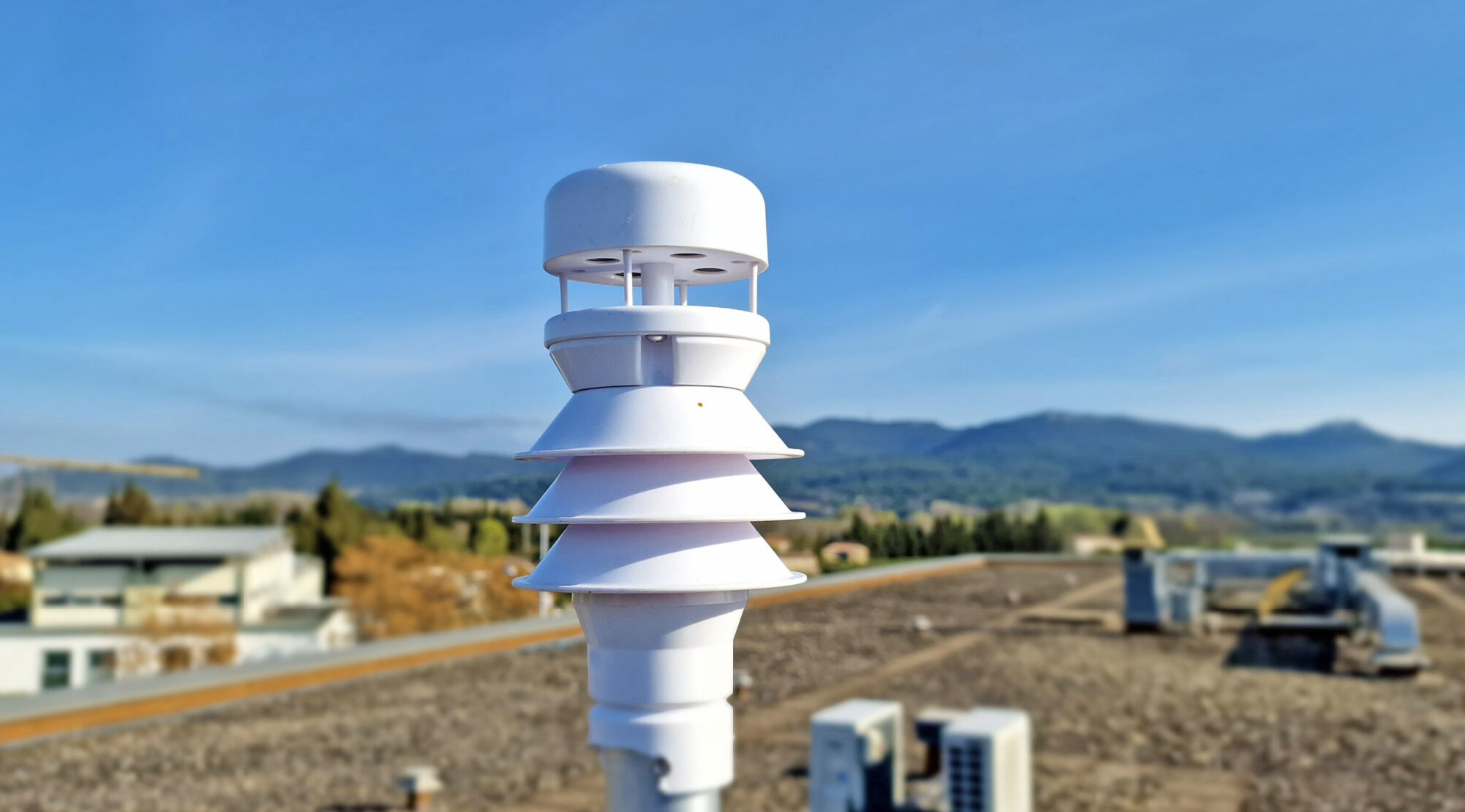
- Real-Time Pollen Counts: Access the latest pollen data specific to Bedford with updates from Met Office monitoring networks
- Customized Alerts: Receive notifications when tree, grass, or weed pollen levels rise based on your personal sensitivity settings
- Accurate Forecasts: View 5-day pollen forecasts combining historical data with current weather conditions for Bedford
- Educational Content: Learn about local allergens including birch, grass species, and agricultural crops affecting Bedfordshire
- Intuitive Design: Navigate easily through pollen calendars, symptom tracking, and allergy management tips in a user-friendly interface


Explore More on Managing Seasonal Allergies
- Understanding Allergy Pollen Counts: Your Comprehensive Guide – Learn how to interpret pollen count levels and develop effective strategies to minimize your exposure during high-pollen days.
- Why Are My Allergies So Bad Right Now? | Pollen Count & Alerts App Blog – Discover the reasons why your allergy symptoms may intensify unexpectedly, including climate change impacts and cross-reactivity factors.
- Do Allergies Get Worse as You Age? | Pollen Count & Alerts App Blog – Understand how allergic sensitivity evolves throughout your lifetime and why symptoms may appear or disappear at different life stages.
Stay updated with the latest tips and insights by visiting the Alert Pollen Blog.
Pollen count in nearby cities
FAQ
When is pollen season in Bedford?
Bedford experiences a prolonged pollen season from February through October. Tree pollen peaks from March to May, with April being the most intense month when birch, oak, ash, and plane trees release their pollen simultaneously. Grass pollen, which affects 95% of hay fever sufferers, dominates from mid-May through September with peak levels in June and July, while weed pollen is most prevalent from late June through October.
What are the most common pollen allergens in Bedford?
The primary allergens in Bedford include birch, oak, ash, hazel, and elm among tree pollens, with birch being the most potent allergen peaking in April and May. Grass pollen is the most widespread trigger, affecting the vast majority of hay fever sufferers from May through September. Weed allergens such as nettle, plantain, and dock are active from late June through October, while oilseed rape from surrounding Bedfordshire farmland contributes to pollen counts in May.
How can I protect myself from pollen in Bedford and use the app effectively?
Check the Pollen Count & Alerts App daily to plan outdoor activities around low-pollen periods, especially during Bedford's peak months of April, June, and July. Stay indoors during warm, dry, and windy conditions when pollen dispersal is highest, and take advantage of rainy days when pollen levels temporarily drop. Set personalized alerts in the app to receive notifications when pollen counts spike in your specific Bedford location.
Final Thoughts
Living with pollen allergies in Bedford presents unique challenges given the extended season from February through October and the combination of urban pollution and surrounding agricultural pollen sources. However, armed with knowledge about local pollen patterns and the specific allergens that peak during different months, you can take proactive steps to manage your symptoms effectively. The Pollen Count & Alerts App provides Bedford residents with the real-time information needed to navigate allergy season with greater confidence and comfort.
Don't let pollen control your life in Bedford. Download the Pollen Count & Alerts App today to access personalized forecasts, timely alerts, and expert guidance tailored to your local environment.
Take Control of Your Allergies Today
The Pollen Count & Alerts App delivers real-time pollen counts specific to Bedford, personalized alerts based on your sensitivity levels, and comprehensive forecasts covering tree, grass, and weed pollen throughout the year. With data from trusted UK monitoring agencies including the Met Office, you'll receive accurate information to help you plan your days and minimize allergy symptoms. Download now and experience the difference that precise, localized pollen tracking can make in managing your hay fever.