St Albans, located in Hertfordshire approximately 20 miles north of London, experiences a distinctive pollen season influenced by its position in southern England and proximity to the capital's urban heat island. The area's blend of urban parks, historic gardens, and surrounding rural green spaces creates diverse pollen sources, particularly from London Plane trees, birch, oak, and abundant grasslands. This guide provides essential information on St Albans' pollen types, seasonal patterns, and practical strategies for managing allergies in this thriving commuter town.
Understanding Pollen Count in St Albans
Pollen count measures the concentration of pollen grains per cubic metre of air over a 24-hour period. In St Albans, counts are monitored using Burkard samplers, with symptoms typically appearing when levels exceed 50 grains per cubic metre. Common reactions include sneezing, runny or blocked nose, itchy and watery eyes, and respiratory distress, affecting nearly half of the UK population.
Key Pollen Types and Allergens Affecting St Albans
St Albans residents face exposure to multiple highly allergenic pollen types throughout the year, with hay fever prevalence in the UK tripling over the last 20 years to affect 49% of the population. Hospital visits for pollen-induced allergic rhinitis have increased 20-fold in 2023/24 compared to 2002/03, reflecting the growing severity of allergic conditions across Hertfordshire and beyond.
- Birch Pollen: Affects approximately 25% of UK hay fever sufferers and peaks in April, making it the most significant tree allergen in St Albans
- London Plane Pollen: Exceptionally abundant due to Victorian-era urban planting and peaks from April to mid-June throughout the St Albans area
- Grass Pollen: Affects around 95% of hay fever sufferers with two distinct peaks in June from species including timothy grass and perennial ryegrass
- Mugwort Pollen: Produces large amounts of allergenic pollen during late summer, extending the weed pollen season through September
St Albans' proximity to London creates a unique urban-rural hybrid environment where air pollution intensifies allergic reactions to pollen. Despite lower pollen counts than purely rural areas, urban residents experience higher hay fever rates because pollutants damage pollen grains, making them more allergenic. This pollution-pollen interaction is particularly relevant for St Albans commuters exposed to M25 and London traffic emissions.
Seasonal Pollen Patterns in St Albans
St Albans experiences three distinct pollen phases aligned with southern England's seasonal progression.
- Winter to Spring (January to June): Tree pollen season featuring hazel, alder, yew, and the major April peak of birch, London plane, oak, and ash
- Late Spring to Summer (Mid-May to July): Grass pollen dominates with two peaks in June from timothy grass, perennial ryegrass, cocksfoot, and meadow grass affecting 95% of hay fever sufferers
- Summer to Autumn (June to October): Weed pollen from ribwort, plantain, mugwort, nettle, and dock species with late-season mugwort peaks in August
- Winter (November to January): Minimal pollen activity with occasional early hazel pollen appearing in late January depending on temperatures
Access Daily Pollen Data for St Albans
The Pollen Count & Alerts App provides St Albans residents with real-time pollen monitoring tailored to your specific location. Track tree, grass, weed, and mold spore levels throughout the day and receive customized alerts when counts exceed your personal thresholds. Stay informed with accurate forecasts powered by Met Office data and advanced pollen modeling to plan your outdoor activities during low-pollen periods.
Effective Allergy Management Strategies for St Albans Residents
Managing pollen allergies requires a combination of environmental awareness, preventive measures, and lifestyle adjustments.
- Use the Pollen Count & Alerts App: Monitor real-time pollen levels specific to St Albans and receive alerts to plan outdoor activities during low-pollen times
- Improve Indoor Air Quality: Keep windows closed during high pollen periods, particularly on warm, dry, and windy days, and during early morning grass pollen peaks
- Practice Personal Hygiene: Shower and wash hair before bed to remove pollen, change clothes after outdoor exposure, and avoid drying laundry outside
- Install HEPA Air Purifiers: Use high-efficiency particulate air filters in bedrooms and main living areas to remove airborne pollen and reduce nighttime symptoms
- Consult an Allergist: Seek professional medical advice for persistent symptoms, especially if you have asthma, as 80% of asthmatics are triggered by hay fever
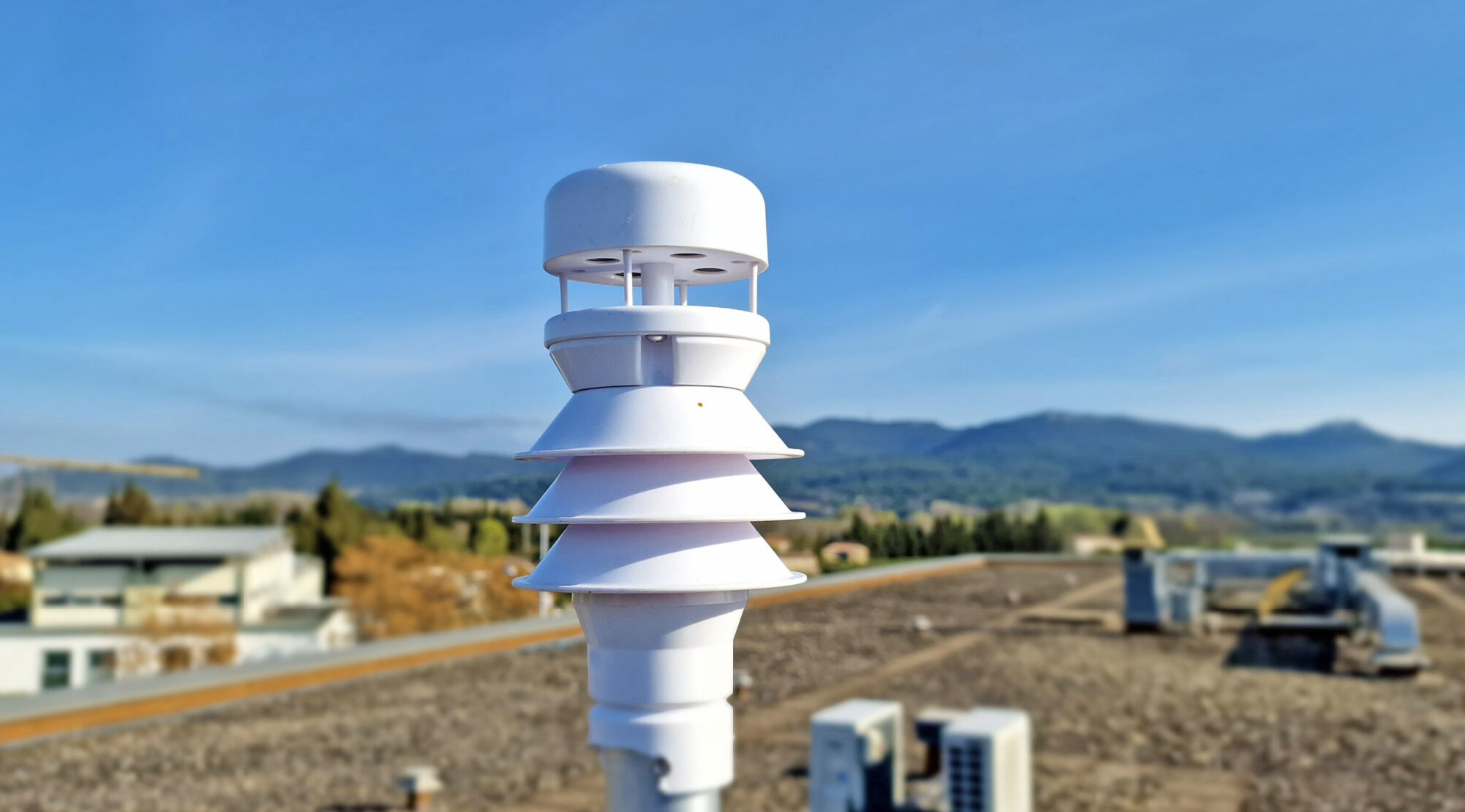
Pollen Count & Alerts App Features for Enhanced Allergy Management
The Pollen Count & Alerts App offers comprehensive tools designed specifically for St Albans residents to manage hay fever and allergic rhinitis effectively.
- Real-Time Pollen Counts: Access the latest pollen data specific to St Albans with updates throughout the day for tree, grass, weed, and mold allergens
- Customized Alerts: Set personalized thresholds and receive notifications when pollen levels in your area exceed safe limits for your sensitivity
- Accurate Forecasts: Plan ahead with reliable 5-day pollen forecasts powered by Met Office data and advanced modeling technology
- Educational Content: Learn about specific allergens affecting Hertfordshire, including birch, London plane, and grass species, with detailed symptom guides
- Intuitive Design: Navigate easily through user-friendly interfaces with clear visualizations of pollen trends, seasonal patterns, and daily fluctuations


Explore More on Managing Seasonal Allergies
- Understanding Allergy Pollen Counts: Your Comprehensive Guide – Learn how to interpret pollen count levels and develop effective strategies to minimize your exposure during peak allergy seasons.
- Why Are My Allergies So Bad Right Now? | Pollen Count & Alerts App Blog – Discover the factors behind sudden allergy flare-ups, including the urban pollution-pollen interaction that intensifies reactions in areas near London.
- Do Allergies Get Worse as You Age? | Pollen Count & Alerts App Blog – Understand how allergic responses evolve throughout your life and why adults aged 45-54 experience the highest rates of hay fever symptoms.
Stay updated with the latest tips and insights by visiting the Alert Pollen Blog.
Pollen count in nearby cities
FAQ
When is pollen season in St Albans?
Pollen season in St Albans runs from January through October, with three distinct phases. Tree pollen dominates from January to June, with April being the peak month for highly allergenic birch, oak, ash, and London Plane trees. Grass pollen season starts in mid-May and peaks during the first two weeks of June, while weed pollen affects residents from June through September, with mugwort peaking in late summer.
What are the most common pollen allergens in St Albans?
The most significant allergens affecting St Albans residents include birch (Betula pendula), which impacts approximately 25% of UK hay fever sufferers and peaks in April, and London Plane trees (Platanus × acerifolia), which are exceptionally common in the area due to Victorian-era urban planting. Grass pollens, particularly Timothy grass (Phleum pratense) and perennial ryegrass (Lolium perenne), affect around 95% of hay fever sufferers and peak during the first two weeks of June. Other important allergens include alder, hazel, oak (common in Hertfordshire parks), and late-season weeds like mugwort and plantain.
How can St Albans residents protect themselves from pollen and use the app effectively?
Residents should monitor daily pollen forecasts through the Pollen Count & Alerts App, as symptoms typically appear when counts exceed 50 grains per cubic metre. During high pollen days, particularly in April and early June, keep windows closed during early morning and evening hours when pollen concentrations are highest, and consider timing outdoor activities for after rain, which temporarily washes pollen from the air. The app's personalized alerts can help you plan ahead for peak pollen days specific to St Albans' urban-rural environment.
Final Thoughts
Living in St Albans means navigating a complex pollen landscape influenced by both urban and rural factors, from the abundant London Plane trees lining city streets to the grass-filled parks and surrounding Hertfordshire countryside. With nearly half the UK population now experiencing hay fever symptoms and rates tripling over the past two decades, staying informed about daily pollen levels is more important than ever. The Pollen Count & Alerts App empowers St Albans residents with the real-time, location-specific information needed to take control of their allergy symptoms throughout the extended January-to-October pollen season.
Download the Pollen Count & Alerts App today to receive personalized alerts for St Albans' unique pollen environment and plan your days with confidence, whether you're commuting to London, enjoying Verulamium Park, or simply going about your daily routine.
Take Control of Your Allergies Today
The Pollen Count & Alerts App provides St Albans residents with real-time pollen counts, personalized alerts tailored to your specific allergen sensitivities, and comprehensive forecasts covering tree, grass, and weed pollen throughout the year. Whether you're preparing for April's birch season or June's grass pollen peaks, the app helps you stay one step ahead of your symptoms. Download now and experience fewer allergy surprises with accurate, location-specific forecasts designed for the unique urban-rural environment of St Albans.