West Palm Beach, located in southeastern Florida along the Atlantic coast, experiences a subtropical climate that creates one of the most challenging allergy environments in the United States. Unlike northern regions where plants go dormant in winter, West Palm Beach's year-round warmth enables continuous pollen production from trees, grasses, and weeds, resulting in overlapping allergy seasons with little relief for sufferers. This guide covers the key pollen types, seasonal patterns, monitoring resources, and practical strategies to help you manage allergies effectively in West Palm Beach.
Understanding Pollen Count in West Palm Beach
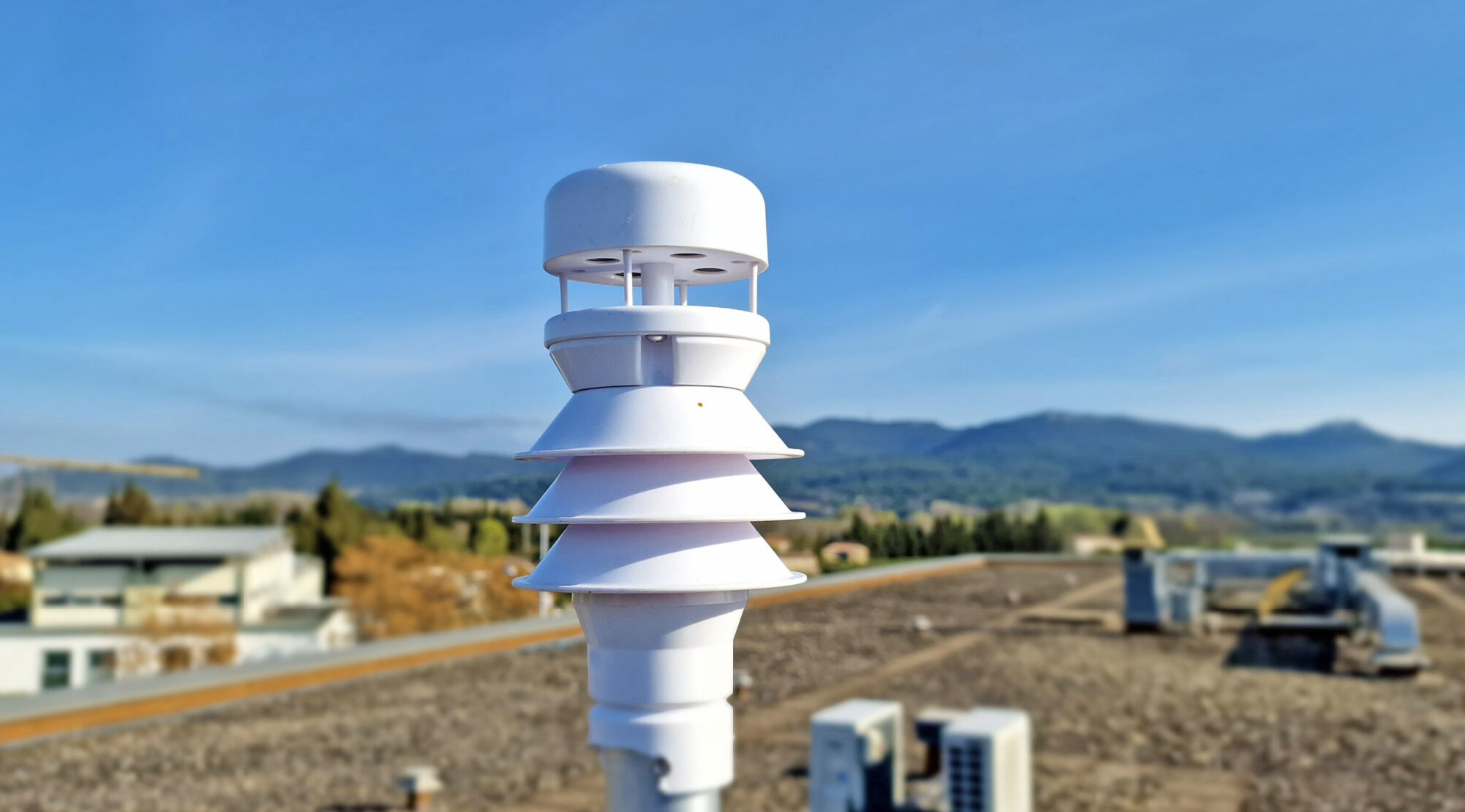
Pollen count measures the concentration of pollen grains per cubic meter of air, typically tracked separately for tree, grass, and weed pollen using automated particulate sensors with neural network identification technology. When pollen counts are elevated, allergy sufferers commonly experience symptoms including sneezing, runny or congested nose, itchy and watery eyes, scratchy throat, and asthma exacerbations. West Palm Beach uses real-time monitoring systems to provide daily pollen data that helps residents anticipate and prepare for high-allergen days.
Key Pollen Types and Allergen Trends in West Palm Beach
West Palm Beach faces significant allergen challenges from multiple plant species producing high pollen volumes throughout the year. The most impactful allergens include oak trees, which pollinate from December through May making them the longest and most significant tree pollen producer in Palm Beach County, Bermuda and Bahia grasses that generate major summer allergen loads, and ragweed combined with invasive Brazilian pepper that dominate the fall season from September through November. Climate change has intensified these patterns, leading to higher overall pollen counts and extended pollination seasons across the region.
- Oak Pollen: Produces the longest pollen season from December through May, contributing the highest tree pollen levels in Palm Beach County during spring
- Bermuda and Bahia Grass Pollen: Peak from June through August as the dominant summer allergens, with Bermuda grass triggering particularly severe allergic reactions
- Ragweed Pollen: Primary fall allergen from September through November, causing widespread allergic rhinitis symptoms
- Brazilian Pepper Pollen: Invasive species blooming September to November that produces both pollen and volatile oils causing respiratory irritation and contact dermatitis
The subtropical climate and invasive species presence create unique allergen challenges not found in temperate regions. Australian pine adds significant winter pollen production when most areas experience dormancy, while the high humidity compounds symptoms by promoting mold growth that co-occurs with pollen exposure, creating a dual allergen burden for West Palm Beach residents throughout the year.
Seasonal Pollen Patterns in West Palm Beach
West Palm Beach experiences distinct seasonal pollen patterns, though the mild climate means allergens are present year-round.
- Spring (February to May): Peak allergy season dominated by tree pollen with oak, elm, maple, ash, cedar, pine, and palm reaching highest levels in Palm Beach County
- Summer (June to August): Grass pollen from Bermuda and Bahia species peaks while mold counts elevate significantly due to high humidity and continuous lawn maintenance
- Fall (September to November): Ragweed becomes the primary allergen alongside blooming Brazilian pepper, with overlapping grass pollen continuing from summer
- Winter (December to February): Tree pollen begins with oak starting as early as December and Australian pine producing significant winter pollen, providing little dormant relief
Access Daily Pollen Data for West Palm Beach
The Pollen Count & Alerts App provides real-time pollen monitoring specifically for West Palm Beach, tracking tree, grass, weed, and mold spore levels throughout the day. With automated particulate sensor technology and neural network species identification, you receive accurate, location-specific data to plan your outdoor activities during low-pollen periods. Download the app today to stay informed about daily pollen fluctuations and receive personalized alerts when counts rise in your area.
Effective Allergy Management Strategies for West Palm Beach
Managing year-round allergies in West Palm Beach requires proactive strategies and daily awareness of pollen levels.
- Use the Pollen Count & Alerts App: Monitor real-time pollen levels and receive alerts to plan outdoor activities during low-pollen times and minimize exposure
- Maintain Indoor Air Quality: Keep windows closed during high pollen periods, run air conditioning with clean filters, and reduce indoor allergen accumulation
- Practice Personal Hygiene: Shower and wash hair before bed to remove pollen from skin and hair, change clothes after outdoor activities, and avoid transferring allergens to bedding
- Install HEPA Air Purifiers: Use high-efficiency particulate air filters in bedrooms and main living areas to capture airborne pollen and mold spores indoors
- Consult an Allergist: Seek professional evaluation for persistent symptoms, consider immunotherapy options, and develop a personalized treatment plan for year-round management
Pollen Count & Alerts App Features for Better Allergy Management
The Pollen Count & Alerts App offers comprehensive tools designed specifically to help West Palm Beach residents track and manage their allergy exposure effectively.
- Real-Time Pollen Counts: Access the latest pollen data specific to West Palm Beach with separate tracking for tree, grass, weed, and mold allergens
- Customized Alerts: Receive personalized notifications when pollen levels rise for the specific allergen types that trigger your symptoms
- Accurate Forecasts: View multi-day pollen forecasts using automated sensor data and neural network algorithms for reliable planning
- Educational Content: Learn about local allergen species, seasonal patterns, and evidence-based management strategies for West Palm Beach
- Intuitive Design: Navigate easily through a user-friendly interface designed for quick daily checks and seamless allergy tracking


Explore More About Managing Your Allergies
- Understanding Allergy Pollen Counts: Your Comprehensive Guide – Learn how to interpret pollen count measurements and develop effective strategies to minimize allergy symptoms throughout the year.
- Why Are My Allergies So Bad Right Now? | Pollen Count & Alerts App Blog – Discover the reasons behind sudden increases in allergy severity, including climate factors, new allergen exposures, and changes in immune response.
- Do Allergies Get Worse as You Age? | Pollen Count & Alerts App Blog – Understand how your body's reaction to pollen and other allergens evolves over time and what to expect at different life stages.
Stay updated with the latest tips and insights by visiting the Alert Pollen Blog.
Pollen count in nearby cities
FAQ
When is pollen season in West Palm Beach, FL?
West Palm Beach experiences pollen activity year-round due to its subtropical climate, with peak allergy season occurring from February through May when tree pollen, especially oak, reaches its highest levels. Summer months (June-August) bring elevated grass pollen from Bermuda and Bahia grass, while fall (September-November) introduces ragweed and Brazilian pepper pollen. Unlike northern regions, the mild winters mean plants rarely go dormant, resulting in one of the longest and most intense allergy seasons in the United States.
What are the most common allergens in West Palm Beach, FL?
The primary allergens in West Palm Beach include oak trees (December through May), which produce the most significant tree pollen, along with pine, palm, and the invasive Australian pine that releases winter pollen. Bermuda and Bahia grasses are major summer allergens peaking from June through August, while ragweed and Brazilian pepper dominate the fall season from September to November. Year-round allergens also include St. Augustine grass, elm, maple, ash, and cedar, with high humidity contributing to elevated mold spore counts that compound allergy symptoms throughout the year.
How can I protect myself from pollen in West Palm Beach using the Pollen Count & Alerts App?
The Pollen Count & Alerts App provides real-time pollen monitoring for West Palm Beach, allowing you to plan outdoor activities during lower pollen count periods and receive personalized alerts when your specific allergens reach high levels. By checking daily forecasts, you can take preventive medications before exposure, keep windows closed during peak pollen times (typically morning hours), and schedule lawn maintenance when pollen counts are lower. The app's comprehensive tracking helps you manage year-round allergies effectively in West Palm Beach's challenging subtropical climate.
Final Thoughts
Living in West Palm Beach means facing year-round pollen challenges, but understanding your local allergens and their seasonal patterns empowers you to take control of your health. With the Pollen Count & Alerts App, you have access to real-time data and forecasts specific to West Palm Beach, helping you stay one step ahead of oak, grass, and ragweed seasons. Knowledge and preparation are your best defenses against the subtropical climate's persistent allergen exposure.
Download the Pollen Count & Alerts App today to receive personalized alerts and comprehensive pollen forecasts tailored to West Palm Beach's unique allergy environment. Take charge of your allergy management and enjoy more symptom-free days throughout the year.
Take Control of Your Allergies Today
The Pollen Count & Alerts App delivers real-time pollen counts, personalized alerts for your specific allergens, and comprehensive five-day forecasts designed for West Palm Beach's year-round pollen season. Stay informed, plan ahead, and breathe easier with the most reliable pollen tracking tool at your fingertips. Download now and experience the difference that accurate, localized pollen data can make in managing your allergies.