Wellington, located on New Zealand's North Island, experiences a coastal climate shaped by its position along the Cook Strait. The city's windy conditions and urban environment create unique pollen dispersal patterns that affect 20-30% of residents with hay fever symptoms. This article explores Wellington's pollen types, seasonal patterns, recent trends, and practical strategies for managing allergies in a city with a 10-month pollen season extending from July through April.
Understanding Pollen Count in Wellington
Pollen count measures the concentration of pollen grains per cubic meter of air, indicating allergen exposure levels. When counts are high, allergy sufferers typically experience symptoms including sneezing, runny nose, itchy eyes, nasal congestion, and respiratory discomfort. Wellington residents face prolonged exposure during the extended pollen season, with only May and June offering relief from allergenic pollen.
Key Pollen Types Affecting Wellington Residents
Wellington's pollen landscape is dominated by three major allergen groups that collectively create one of the longest pollen seasons in New Zealand. Radiata pine trees produce approximately 1 kilogram of pollen per tree, making them a significant contributor to airborne allergens. Perennial ryegrass remains the biggest pollen producer and primary cause of springtime hay fever, while macrocarpa sensitizes up to 30% of asthma clinic attendees in the region.
- Radiata Pine (Pinus radiata): Each tree produces approximately 1 kilogram of pollen, creating widespread airborne allergen exposure from July through September
- Perennial Ryegrass (Lolium perenne): The single largest pollen producer in Wellington, responsible for peak hay fever symptoms during the summer grass season from December through February
- Macrocarpa (Cupressus macrocarpa): Sensitizes up to 30% of Wellington asthma clinic attendees, with a prolonged pollen season extending 8-9 months annually
- Plantain (Plantago): Produces pollen across a 7-month season, contributing to weed allergen exposure from September through March
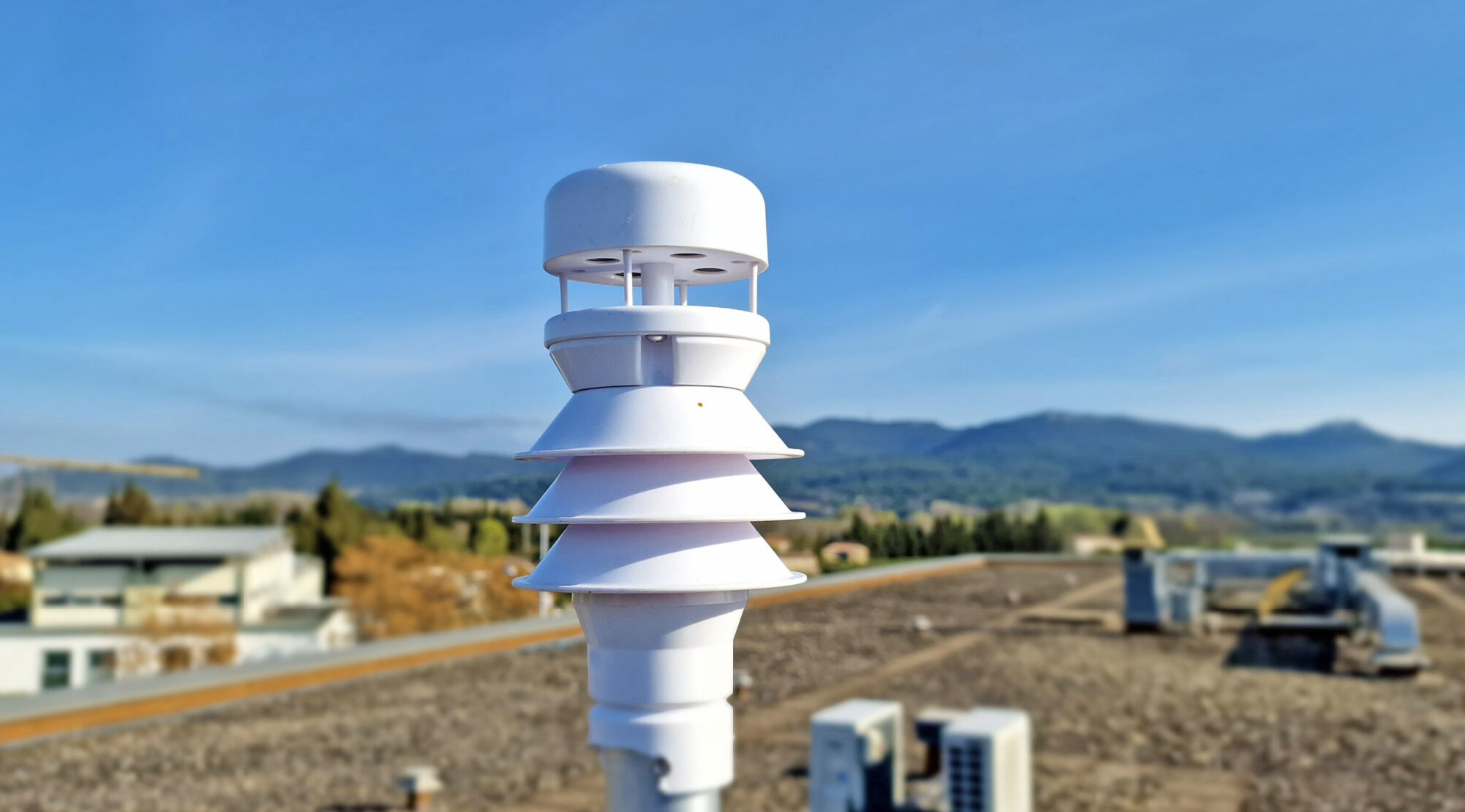
Climate change and urbanization are likely altering Wellington's historical pollen patterns, with warmer temperatures extending flowering seasons and increasing pollen concentrations. Unfortunately, the last comprehensive nationwide pollen survey was conducted over 30 years ago, meaning current data on these environmental changes remains unavailable. Rising atmospheric CO₂ levels and land use transformations continue to influence pollen production, yet Wellington lacks dedicated monitoring stations to track these shifts in real-time.
Seasonal Pollen Patterns in Wellington
Wellington's pollen season spans approximately 34 weeks across four distinct periods, each characterized by different allergen sources.
- Winter (June to August): Pine pollen begins in July alongside macrocarpa, wattle, and gorse, with early grasses starting in August and deciduous trees like elm, poplar, and oak beginning their pollen release
- Spring (September to November): Peak deciduous tree pollen from birch, oak, and elm overlaps with intensifying grass pollen and the start of plantain and nettle, making November one of the worst months for multiple simultaneous allergen exposures
- Summer (December to February): Grass pollen reaches peak levels around Christmas, with ryegrass, prairie grass, and tall fescue dominating alongside native trees including pohutukawa, rimu, eucalyptus, and manuka
- Autumn (March to May): Grass pollen ends in March along with plantain, leaving only macrocarpa and gorse active through April, with May bringing very low pollen levels and relief for allergy sufferers
Accessing Daily Pollen Data in Wellington
The Pollen Count & Alerts App provides Wellington residents with daily pollen monitoring to help plan outdoor activities and manage allergy symptoms effectively. Track real-time levels of tree, grass, weed, and mold spore allergens specific to your location. With personalized alerts during high pollen days, you can take preventive measures before symptoms begin.
Effective Allergy Management Strategies for Wellington Residents
Implementing these proven strategies can significantly reduce allergy symptoms during Wellington's extended pollen season.
- Use the Pollen Count & Alerts App: Monitor real-time pollen levels and receive alerts to plan outdoor activities during low-pollen times, especially important during November and the Christmas period
- Maintain Indoor Air Quality: Keep windows closed during peak pollen hours, particularly on windy days when Wellington's coastal conditions disperse allergens widely
- Practice Personal Hygiene: Shower and change clothes after outdoor exposure to remove pollen grains, and wash bedding regularly to minimize nighttime allergen contact
- Install HEPA Air Purifiers: Use high-efficiency particulate air filters in bedrooms and main living areas to capture airborne pollen and reduce indoor allergen concentrations
- Consult an Allergist: Seek professional medical advice for persistent symptoms, especially during Wellington's 10-month pollen season when over-the-counter remedies may prove insufficient
App Features to Enhance Your Allergy Management
The Pollen Count & Alerts App offers comprehensive tools designed specifically for Wellington residents managing allergies throughout the extended pollen season.
- Real-Time Pollen Counts: Access the latest pollen data specific to Wellington, tracking pine, grass, weed, and native tree allergens as conditions change
- Customized Alerts: Receive personalized notifications when pollen levels rise in your area, allowing you to take preventive measures before symptoms develop
- Accurate Forecasts: Plan your week with reliable pollen predictions based on weather patterns, seasonal trends, and local environmental conditions
- Educational Content: Learn about specific allergens affecting Wellington, including macrocarpa, ryegrass, and plantain, with symptom management guidance
- Intuitive Design: Navigate easily through pollen data, historical trends, and daily forecasts with a user-friendly interface designed for quick access during busy days


Explore More on Managing Seasonal Allergies
- Understanding Allergy Pollen Counts: Your Comprehensive Guide – Learn how to interpret pollen count levels and develop effective strategies to minimize your exposure and manage allergy symptoms year-round.
- Why Are My Allergies So Bad Right Now? | Pollen Count & Alerts App Blog – Discover the environmental and physiological factors that can cause your allergies to suddenly intensify, even if you've never had severe reactions before.
- Do Allergies Get Worse as You Age? | Pollen Count & Alerts App Blog – Understand how your immune system's response to allergens evolves throughout your lifetime and why allergies may appear, disappear, or change in severity as you age.
Stay updated with the latest tips and insights by visiting the Alert Pollen Blog.
Pollen count in nearby cities
FAQ
When is pollen season in Wellington?
Wellington experiences an exceptionally long pollen season spanning approximately 10 months, from July through April. The season begins with pine and macrocarpa in winter, reaches its peak during spring (September-November) when tree, grass, and weed pollens overlap, and continues through summer with peak grass pollen around Christmas. Only May and June offer truly low pollen levels, making Wellington one of the more challenging cities for allergy sufferers in New Zealand.
What are the most common pollen allergens in Wellington?
The most common allergens affecting Wellington residents are perennial ryegrass (the biggest pollen producer causing springtime hay fever), radiata pine (producing approximately 1kg of pollen per tree), and macrocarpa (which sensitizes up to 30% of asthma clinic attendees). Other significant allergens include deciduous trees like oak, birch, and elm (peaking in September), plantain with its 7-month season, and native species such as pohutukawa, eucalyptus, and manuka. November is particularly challenging as tree, weed, and grass pollens are all active simultaneously.
How can the Pollen Count & Alerts App help me manage allergies in Wellington's windy climate?
The Pollen Count & Alerts App provides real-time pollen forecasts tailored to Wellington's unique environmental conditions, helping you plan outdoor activities around high pollen days. With personalized alerts, you can take preventive medication before pollen levels spike and adjust your exposure during Wellington's extended 10-month allergy season. The app's comprehensive tracking features are especially valuable given that Wellington currently lacks dedicated local pollen monitoring stations.
Final Thoughts
Living with pollen allergies in Wellington presents unique challenges, particularly given the city's exceptionally long 10-month pollen season and the current lack of local monitoring infrastructure. However, with accurate information about seasonal patterns and the right tools like the Pollen Count & Alerts App, you can take control of your allergy management. Understanding that peak suffering occurs during spring months (especially November) and the summer grass season helps you prepare and protect your health proactively.
Don't let pollen allergies limit your enjoyment of Wellington's beautiful outdoors. Download the Pollen Count & Alerts App today to receive personalized forecasts and stay one step ahead of allergen exposure.
Take Control of Your Allergies Today
The Pollen Count & Alerts App delivers real-time pollen counts, personalized alerts based on your specific sensitivities, and comprehensive forecasts to help you navigate Wellington's extended allergy season with confidence. Whether you're sensitive to pine, grass, or tree pollens, our app provides the localized data you need to manage symptoms effectively. Download now and breathe easier throughout the year.