Washington Heights, located in Upper Manhattan's northern reaches, experiences intense pollen seasons due to its proximity to Fort Tryon Park and Inwood Hill Park's abundant tree populations. The neighborhood's urban canyon effect traps pollen between tall buildings, concentrating allergens at street level throughout the extended allergy season that now spans approximately 180 days from late February through late October. This guide provides essential information about pollen types, seasonal patterns, and effective management strategies to help residents navigate one of the most challenging allergy environments in New York City.
Understanding Pollen Count in Washington Heights
Pollen count measures the concentration of pollen grains per cubic meter of air, with levels categorized as low, moderate, high, or very high. When pollen counts reach high or very high levels, allergy sufferers typically experience symptoms including sneezing, nasal congestion, itchy or watery eyes, scratchy throat, and potentially asthma exacerbations. Washington Heights regularly records counts between 8.6 and 11.2 during peak seasons, placing the area in the high to very high range.
Key Pollen Types in Washington Heights
Washington Heights faces three distinct pollen challenges throughout the year, with oak trees representing the most significant allergen source. Oak pollen alone accounts for approximately 25% of all airborne pollen in NYC, with trees in the area producing an estimated 68.2 quadrillion pollen grains annually. The 2025 season has been particularly intense, marking one of the most severe allergy years in recent NYC history with counts regularly hitting very high levels across all boroughs.
- Oak and Tree Pollen: Dominates spring with oak accounting for 25% of airborne pollen; birch, maple, ash, elm, and sycamore contribute to peak counts in April
- Grass Pollen: Timothy grass, Kentucky bluegrass, and ryegrass peak from June through early July, with a 4-6 week overlap period with late tree pollen in May
- Ragweed Pollen: Most potent fall allergen producing up to 1 billion grains per plant per season; peaks in September and can travel up to 400 miles on wind
- Weed Pollen Mix: Includes mugwort, pigweed, lamb's quarters, and English plantain; compounds ragweed effects from mid-August through late October
Climate change has extended the pollen season by approximately 20 days compared to historical averages, with rising temperatures and increased CO2 concentrations significantly boosting pollen production. The urban heat island effect in Washington Heights accelerates plant growth and causes earlier flowering, while air pollution from traffic makes pollen grains more potent by causing them to rupture and release allergenic proteins more readily.
Seasonal Pollen Patterns in Washington Heights
Washington Heights experiences distinct pollen seasons throughout the year, with three major peak periods and one relatively allergy-free window.
- Spring (March to May): Tree pollen dominates with peak counts in April when oak, birch, and maple release massive amounts; asthma emergency visits increase significantly during this period
- Summer (Late May to August): Grass pollen from timothy grass, bluegrass, and ryegrass peaks in June and early July; late May features challenging 4-6 week overlap with lingering tree pollen
- Fall (August to October): Ragweed season begins in mid-August and peaks throughout September with very high allergen levels; ends with first hard frost in late October or November
- Winter (November to February): Near allergy-free period with minimal outdoor pollen activity; provides relief for most allergy sufferers
Accessing Daily Pollen Data in Washington Heights
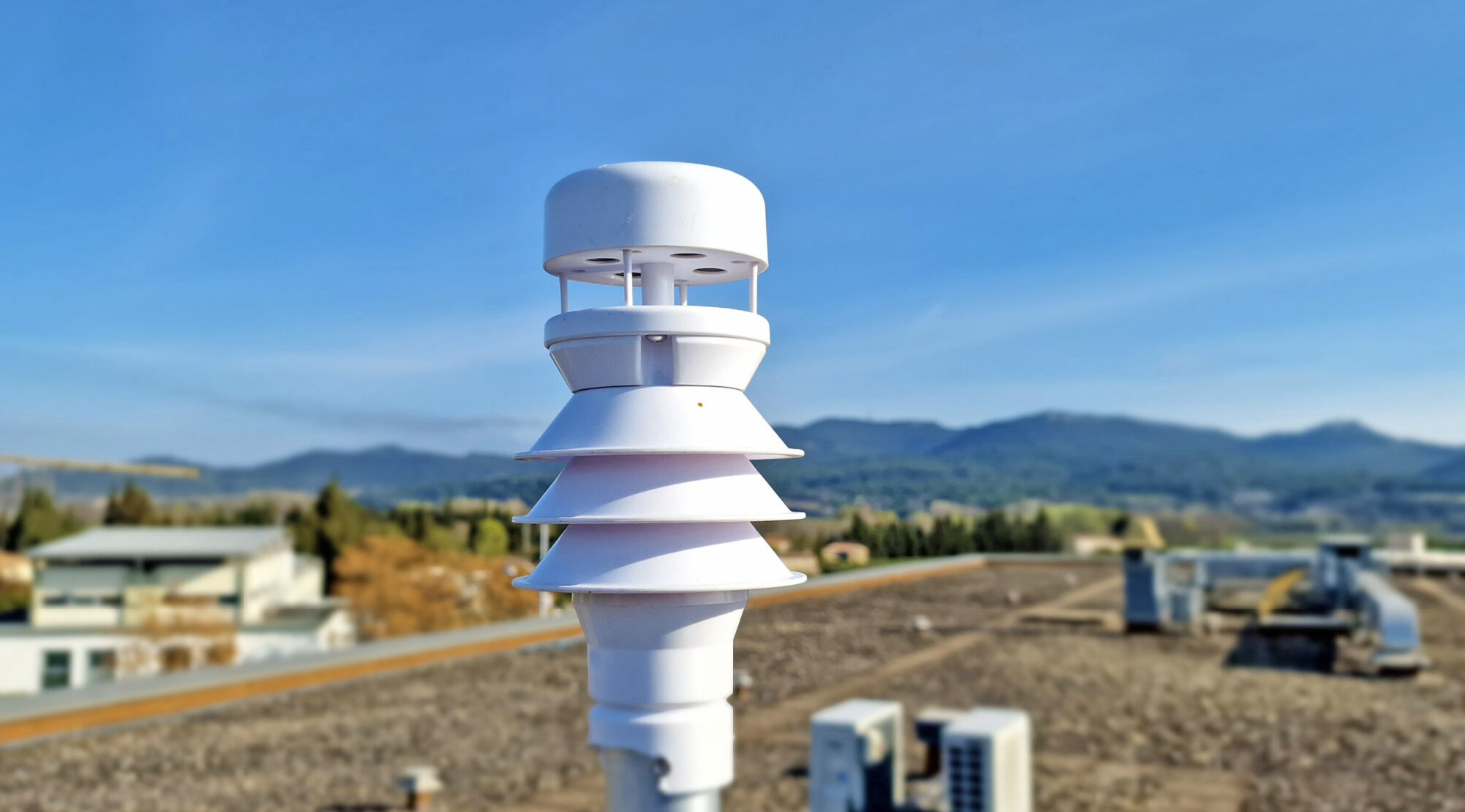
The Pollen Count & Alerts App provides Washington Heights residents with real-time pollen monitoring specific to their location, tracking tree, grass, weed, and mold spore levels throughout the day. Daily data from Fordham University's Louis Calder Center monitoring station, combined with advanced forecasting technology, delivers accurate 24-hour pollen predictions to help you plan outdoor activities during low-pollen periods. Stay informed with customized alerts that notify you when pollen levels spike in your neighborhood.
Effective Allergy Management Strategies for Washington Heights
Managing pollen allergies in Washington Heights requires proactive strategies to minimize exposure and reduce symptoms during peak seasons.
- Use the Pollen Count & Alerts App: Monitor real-time pollen levels and receive alerts to plan outdoor activities during low-pollen times, especially during April, late May, and September peaks
- Maintain Indoor Air Quality: Keep windows closed during high pollen days, particularly mornings when counts are highest; use air conditioning with clean filters to prevent outdoor allergens from entering
- Practice Personal Hygiene: Shower and change clothes after outdoor activities to remove pollen from hair and skin; remove shoes at the door to avoid tracking pollen through your home
- Install HEPA Air Purifiers: Run HEPA filtration systems in bedrooms and main living areas to capture airborne pollen particles, especially beneficial during the 180-day allergy season
- Consult an Allergist: Work with board-certified allergists to develop personalized treatment plans including antihistamines, nasal corticosteroids, or immunotherapy for severe cases
App Features to Enhance Your Allergy Management
The Pollen Count & Alerts App offers comprehensive tools designed specifically to help Washington Heights residents navigate the challenging urban pollen environment.
- Real-Time Pollen Counts: Access the latest pollen data specific to Washington Heights, updated daily from validated monitoring stations following National Allergy Bureau standards
- Customized Pollen Alerts: Receive notifications when tree, grass, or ragweed pollen reaches high or very high levels in your area, allowing you to prepare medications in advance
- Accurate Multi-Day Forecasts: Plan your week with reliable pollen predictions that account for weather patterns, urban heat island effects, and seasonal trends specific to Upper Manhattan
- Educational Allergy Content: Learn about oak, birch, timothy grass, and ragweed allergens prevalent in your neighborhood, plus understand how urban factors intensify pollen exposure
- Intuitive User Interface: Navigate seamlessly between current conditions, forecasts, and historical trends with a design optimized for quick daily checks before heading outdoors


Explore More on Managing Seasonal Allergies
- Understanding Allergy Pollen Counts: Your Comprehensive Guide – Learn how to interpret pollen count levels and discover effective strategies to minimize allergy symptoms throughout the year.
- Why Are My Allergies So Bad Right Now? | Pollen Count & Alerts App Blog – Discover the common reasons why your allergy symptoms may suddenly intensify, including environmental factors and cross-reactivity.
- Do Allergies Get Worse as You Age? | Pollen Count & Alerts App Blog – Understand how your immune system and allergic responses evolve over time, from childhood through adulthood.
Stay updated with the latest tips and insights by visiting the Alert Pollen Blog.
Pollen count in nearby cities
FAQ
When is pollen season in Washington Heights?
Pollen season in Washington Heights runs from late February through late October, spanning approximately 180 days. Tree pollen peaks in April with oak, birch, and maple; grass pollen dominates from June to early July; and ragweed drives the fall season with peak levels in September. Due to climate change, the season now lasts about 20 days longer than historical averages.
What are the most common pollen allergens in Washington Heights?
The most common allergens in Washington Heights are oak trees (accounting for approximately 25% of airborne pollen), birch, and maple during spring; timothy grass, Kentucky bluegrass, and ryegrass in summer; and ragweed in fall, which is the most potent allergen producing up to 1 billion pollen grains per plant. Other significant triggers include ash, elm, sycamore, mugwort, and pigweed, with oak, sycamore, mulberry, and birch trees contributing 71% of measured airborne pollen in NYC.
How can I protect myself from pollen in Washington Heights with the Pollen Count & Alerts App?
The Pollen Count & Alerts App provides real-time pollen counts and personalized alerts for Washington Heights, helping you plan outdoor activities when levels are lower. Use the app to monitor daily forecasts, especially during peak periods in April (trees), June-July (grasses), and September (ragweed), and receive notifications when pollen counts reach levels that may trigger your symptoms.
Final Thoughts
Living in Washington Heights means navigating one of the most intense pollen seasons in recent years, with allergens present from late February through late October. However, with accurate information about local pollen patterns and the right tools like the Pollen Count & Alerts App, you can effectively manage your symptoms and enjoy the vibrant neighborhood year-round.
Take control of your allergy health by downloading the Pollen Count & Alerts App today and receive personalized alerts tailored to Washington Heights' unique pollen environment.
Download the Pollen Count & Alerts App Today
The Pollen Count & Alerts App delivers real-time pollen counts, personalized alerts for your specific allergens, and comprehensive forecasts for Washington Heights and surrounding areas. Stay ahead of peak pollen days and manage your allergies with confidence using scientifically validated data from local monitoring stations. Download now to breathe easier this allergy season.