Wakefield, located in West Yorkshire, experiences the full spectrum of UK pollen seasons from January through October. As a city with extensive green spaces and urban development, Wakefield residents face significant pollen challenges, particularly during the mid-June grass pollen peak which affects 95% of hay fever sufferers. This guide provides comprehensive information about Wakefield's pollen types, seasonal patterns, daily monitoring resources, and effective allergy management strategies to help you breathe easier throughout the year.
Understanding Pollen Count in Wakefield
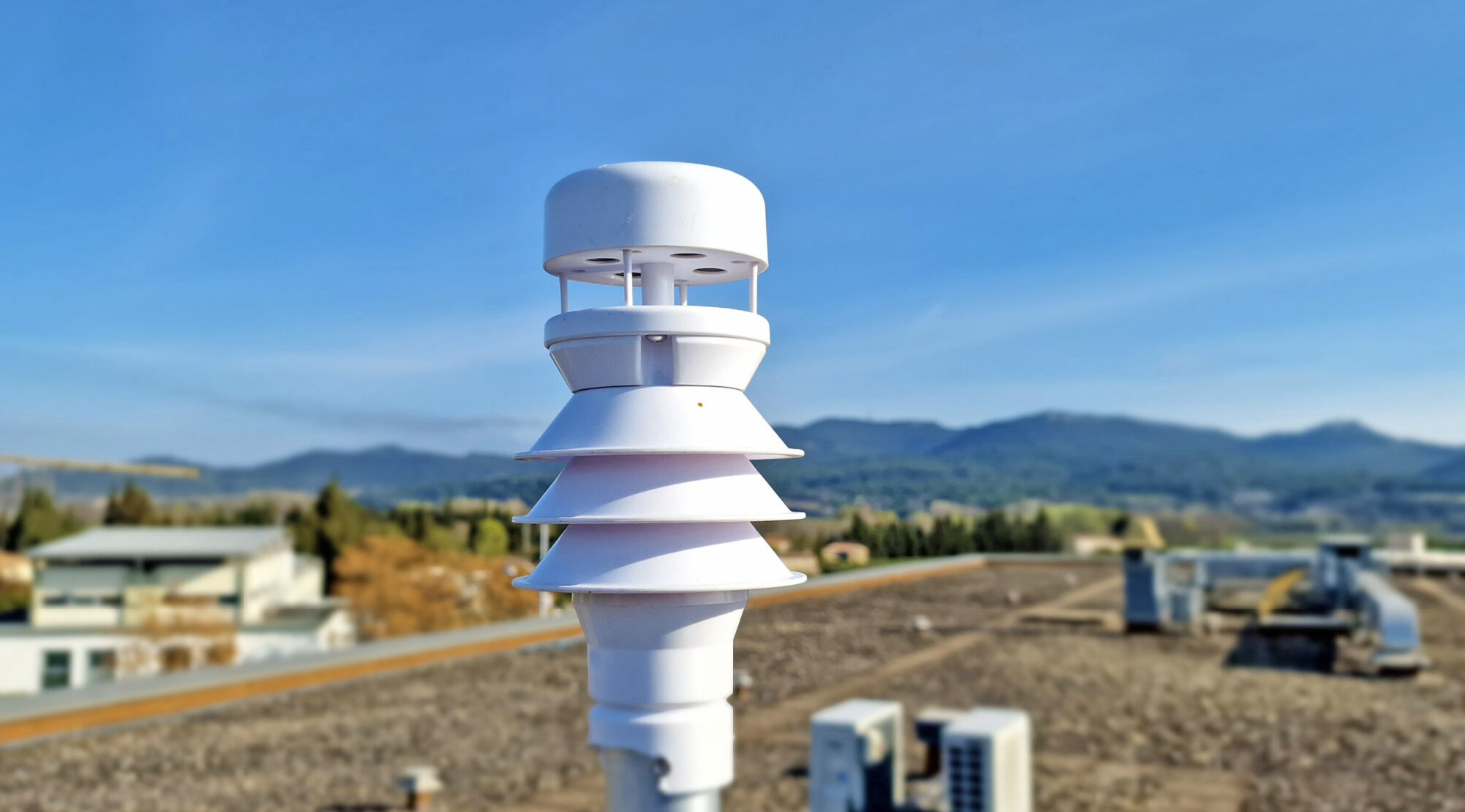
Pollen count measures the concentration of pollen grains per cubic meter of air, with levels categorized as low, moderate, high, or very high. When pollen counts are elevated, allergy sufferers in Wakefield commonly experience runny nose, itchy eyes, sneezing, and allergic rhinitis, with more serious cases potentially triggering asthma attacks requiring hospitalization. The Met Office and National Pollen and Aerobiology Research Unit monitor pollen levels across the UK using specialized volumetric spore traps.
Key Pollen Types and Increasing Trends in Wakefield
Wakefield residents face three major pollen categories throughout the year, with recent data showing alarming increases in severity. Hospital visits for pollen-induced allergic rhinitis have increased 20-fold in 2023/24 compared to 2002/03, while the pollen season has extended by 1-2 weeks compared to two decades ago. Climate change and urban development are driving these trends, making proactive monitoring more essential than ever.
- Grass Pollen: Affects 95% of hay fever sufferers and peaks in mid-June, remaining the most problematic allergen despite stable concentration trends
- Tree Pollen: Birch shows increasing concentration trends particularly in the Midlands region, with April being the heaviest tree pollen month including oak, ash, and plane
- Weed Pollen: Nettle, plantain, dock, and mugwort produce allergenic pollen from April through October, with overall peak levels occurring in October
- Urban Pollution Effects: Makes pollen up to 50% more allergenic in Wakefield's urban areas despite lower absolute counts than surrounding countryside
The urban heat island effect in Wakefield encourages earlier flowering and extended pollen seasons, while higher CO₂ levels stimulate increased pollen production. Many plants now flower up to one month earlier than they did previously, with oak and grass pollen seasons potentially starting as early as January or February in future years due to warming temperatures.
Seasonal Pollen Patterns in Wakefield
Wakefield experiences distinct pollen patterns throughout the year, with different allergens dominating each season:
- Winter/Early Spring (January to March): Yew, alder, and hazel pollen emerge, with hazel peaking mid-March followed by early willow and elm
- Spring (March to May): Tree pollen dominates with birch, ash, oak, plane, and poplar peaking in April, the heaviest tree pollen month, while pine and oilseed rape peak in May
- Late Spring/Summer (April to September): Grass pollen season begins in April-May with low levels, reaches peak intensity in mid-June, then gradually declines through September
- Summer/Autumn (April to October): Weed pollen from plantain, dock, nettle, and mugwort peaks between July and October, with mugwort producing particularly large amounts of allergenic pollen
Access Daily Pollen Data for Wakefield
The Pollen Count & Alerts App provides real-time pollen monitoring specifically for Wakefield, tracking tree, grass, weed, and mold spore levels throughout the day. With accurate 5-day forecasts and customized alerts, you can plan outdoor activities during low-pollen periods and take preventive measures before symptoms begin. Stay informed with the most reliable pollen data available for West Yorkshire.
Effective Allergy Management Strategies for Wakefield Residents
Managing pollen allergies requires a combination of monitoring, prevention, and treatment strategies:
- Use the Pollen Count & Alerts App: Monitor real-time pollen levels and receive alerts to plan outdoor activities during low-pollen times, particularly avoiding mid-June grass pollen peaks
- Maintain Indoor Air Quality: Keep windows closed during high pollen days, especially in early morning and evening when pollen release is highest, and use air conditioning with clean filters
- Practice Personal Hygiene: Shower and wash hair before bed to remove pollen, change clothes after being outdoors, and avoid drying laundry outside during pollen season
- Install HEPA Air Purifiers: Use high-efficiency particulate air filters in bedrooms and main living areas to remove airborne pollen particles and reduce nighttime symptoms
- Consult an Allergist: Seek professional medical advice for persistent symptoms, as unmanaged hay fever can trigger serious asthma attacks and significantly impact sleep quality and daily performance
Pollen Count & Alerts App Features to Enhance Your Allergy Management
The Pollen Count & Alerts App offers comprehensive tools specifically designed to help Wakefield residents manage their pollen allergies effectively:
- Real-Time Pollen Counts: Access the latest pollen data specific to Wakefield and West Yorkshire, updated throughout the day for accurate decision-making
- Customized Pollen Alerts: Receive personalized notifications when pollen levels rise for the specific allergens that affect you most, from birch to grass to mugwort
- Accurate 5-Day Forecasts: Plan your week ahead with reliable pollen predictions based on Met Office data and local weather patterns in Wakefield
- Educational Allergy Content: Learn about the 150+ grass species, tree pollen types, and weeds affecting Wakefield, plus expert management tips and seasonal calendars
- Intuitive User Interface: Navigate easily between current conditions, forecasts, and historical trends with a clean, user-friendly design optimized for quick daily checks


Explore More on Managing Seasonal Allergies
- Understanding Allergy Pollen Counts: Your Comprehensive Guide – Learn how to interpret pollen count levels and discover evidence-based strategies to reduce your allergy symptoms throughout the season.
- Why Are My Allergies So Bad Right Now? | Pollen Count & Alerts App Blog – Understand the factors that can cause your allergies to suddenly intensify, from climate change to urban pollution effects.
- Do Allergies Get Worse as You Age? | Pollen Count & Alerts App Blog – Discover how your allergic sensitivity evolves throughout your lifetime and what changes you can expect as you age.
Stay updated with the latest tips and insights by visiting the Alert Pollen Blog.
Pollen count in nearby cities
FAQ
When is pollen season in Wakefield?
Pollen season in Wakefield runs from January through October, with different allergens peaking at various times. Tree pollen (hazel, alder, birch, oak, ash) dominates from January to May, with April being the heaviest month. Grass pollen, which affects 95% of hay fever sufferers, peaks in mid-June and continues through September. Weed pollen (nettle, plantain, dock, mugwort) is most problematic from late spring through October.
What are the most common pollen allergens in Wakefield and the UK?
Grass pollen is the most significant allergen in Wakefield, affecting 95% of hay fever sufferers and peaking in mid-June. Tree pollen from birch (the most allergenic), oak, hazel, ash, alder, elm, willow, poplar, and plane trees causes symptoms from January through May, with April seeing the heaviest concentrations. Weed pollen from nettle, English plantain, dock, and mugwort affects allergy sufferers from April through October, with mugwort peaking in July and August.
How can I use the Pollen Count & Alerts App to manage my allergies in Wakefield?
The Pollen Count & Alerts App provides real-time pollen forecasts specific to Wakefield, allowing you to plan outdoor activities during lower pollen periods. By setting up personalized alerts, you'll receive notifications when pollen levels spike for the specific allergens that affect you most. This enables you to take preventative medication before symptoms begin and adjust your daily routine to minimize exposure during peak pollen days.
Final Thoughts
Living with pollen allergies in Wakefield can be challenging, especially during the peak grass pollen season in June and the extended tree pollen period from January through May. However, with accurate local pollen forecasts and the right management strategies, you can significantly reduce symptoms and maintain your quality of life. The Pollen Count & Alerts App empowers you with the real-time information you need to stay ahead of allergen exposure.
Download the Pollen Count & Alerts App today to receive personalized pollen alerts and comprehensive forecasts tailored to Wakefield's unique pollen patterns. Take control of your allergies and enjoy the outdoors with confidence.
Take Control of Your Allergies Today
The Pollen Count & Alerts App delivers real-time pollen counts specific to Wakefield, personalized alerts for your individual allergen triggers, and comprehensive five-day forecasts to help you plan ahead. Whether you're managing grass, tree, or weed pollen allergies, our app provides the precise local data you need to minimize symptoms and maximize your outdoor enjoyment. Download now and breathe easier this pollen season.