Troy, Michigan is located in the southeastern part of the state within the Detroit metropolitan area, where the temperate climate and proximity to the Great Lakes create unique weather patterns. The city experiences an extended 8-month allergy season from late March through mid-November, with three distinct pollen phases affecting residents. This article explores Troy's pollen types, seasonal patterns, monitoring challenges, and practical strategies for managing allergies in this suburban community.
Understanding Pollen Count in Troy, Michigan
Pollen count measures the concentration of pollen grains per cubic meter of air, with levels categorized as low, moderate, high, or very high. When pollen counts are elevated, allergy sufferers commonly experience sneezing, nasal congestion, runny nose, itchy or watery eyes, throat irritation, and respiratory difficulties. Understanding daily pollen levels helps residents plan outdoor activities and manage symptoms effectively.
Key Pollen Types and Recent Trends in Troy
Troy faces three major pollen categories throughout its prolonged allergy season, with oak trees and ragweed being the most problematic allergens. The Detroit metro area's abundant oak population makes spring particularly challenging, while ragweed dominates the fall season with peak levels in September. Climate change is significantly impacting these patterns, with warmer winters lengthening the pollen season and increasing overall pollen production.
- Tree Pollen: Peaks April through May with oak, birch, and maple as major contributors; oak is especially abundant in the Detroit metro area
- Grass Pollen: Dominates late May through mid-July with Kentucky Bluegrass and Timothy Grass peaking in June across suburban lawns
- Ragweed Pollen: The most notorious fall allergen, peaking in September and extending through the first hard frost in mid-November
- Climate Impact: Warmer temperatures are extending the season earlier in spring and later in fall, with higher overall pollen counts projected
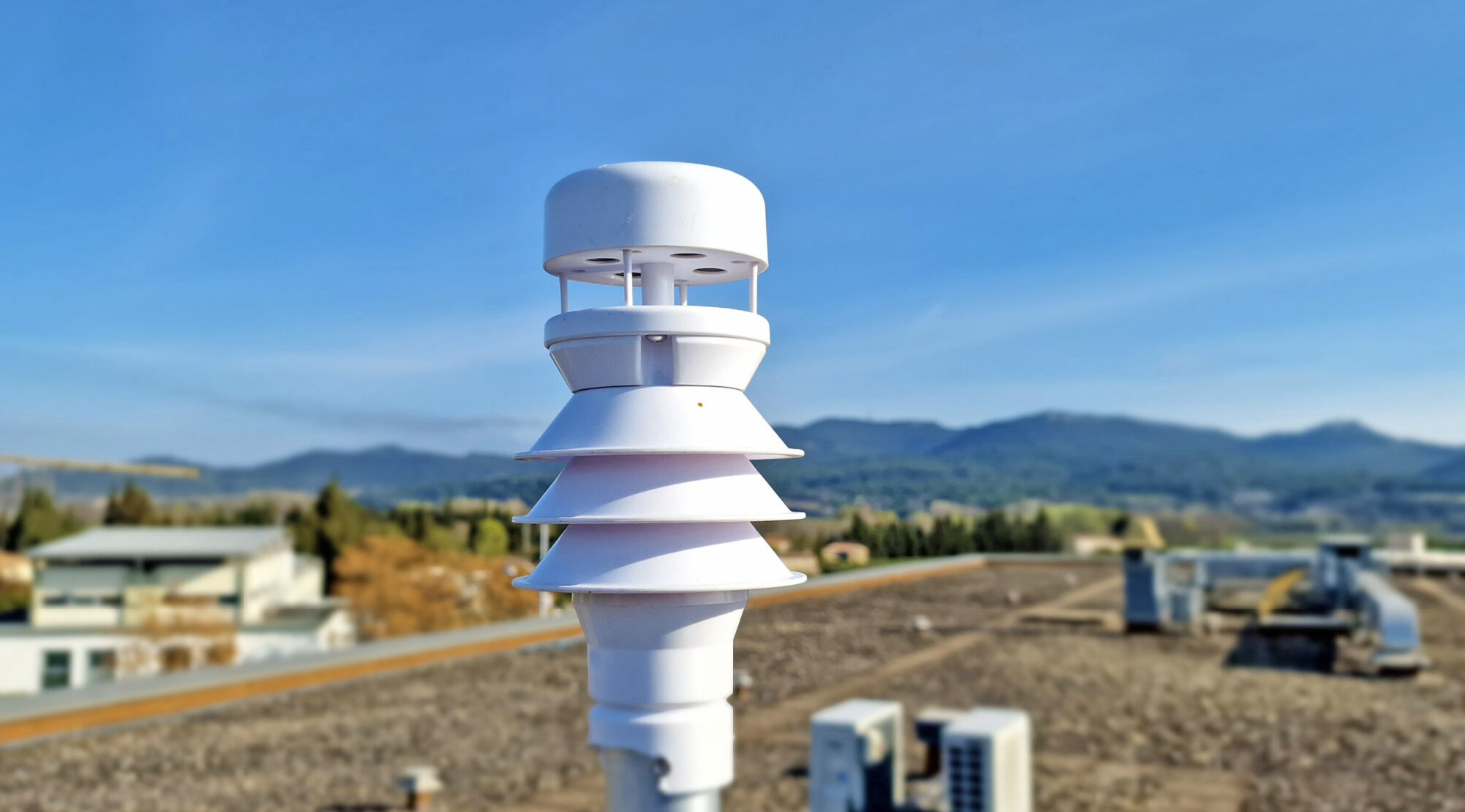
A critical challenge for Troy residents is that Michigan has zero National Allergy Bureau monitoring stations, despite having 85 stations nationally. Neighboring Wisconsin has 4 stations and Ohio has 2, but Troy and the entire Detroit area rely on estimated data based on regional modeling rather than actual local measurements, creating potential blind spots in accurate pollen forecasting.
Seasonal Pollen Patterns in Troy
Troy experiences distinct pollen seasons with varying allergen types throughout the year.
- Spring (March to May): Dominated by tree pollen from oak, birch, maple, ash, and hickory, with peak levels in late April through May
- Summer (Late May to Mid-July): Characterized by grass pollen from Kentucky Bluegrass, Timothy Grass, ryegrass, and fescue, peaking in June
- Fall (Late August to Early October): Ragweed takes over as the dominant allergen, reaching peak levels in September until the first hard frost
- Winter (Mid-November to February): Pollen season typically ends after the first hard frost in mid-November, providing relief until late March
Accessing Daily Pollen Data in Troy
The Pollen Count & Alerts App provides Troy residents with essential daily pollen monitoring capabilities, filling the gap created by the absence of local official monitoring stations. The app offers real-time tracking of tree, grass, weed, and mold spore levels specific to your location, helping you plan your day around pollen conditions. Stay informed with accurate forecasts and personalized alerts tailored to the Detroit metro area's unique pollen patterns.
Effective Allergy Management Strategies for Troy Residents
Managing pollen allergies in Troy requires a proactive approach combining technology, environmental controls, and personal care.
- Use the Pollen Count & Alerts App: Monitor real-time pollen levels and receive alerts to plan outdoor activities during low-pollen times, especially during peak morning and afternoon hours
- Improve Indoor Air Quality: Keep windows closed during high pollen days, particularly during late morning to early afternoon when pollen release peaks
- Practice Personal Hygiene: Shower and change clothes after outdoor activities to remove pollen from hair and skin, reducing indoor allergen exposure
- Install HEPA Air Purifiers: Use high-efficiency particulate air filters in bedrooms and living spaces to capture airborne pollen and reduce indoor allergen levels
- Consult with an Allergist: Work with a healthcare professional to develop a personalized treatment plan, especially during the challenging spring oak season and fall ragweed peak
App Features to Enhance Your Allergy Management in Troy
The Pollen Count & Alerts App offers comprehensive tools designed specifically for managing allergies in Troy's extended 8-month pollen season.
- Real-Time Pollen Counts: Access the latest pollen data specific to Troy and the Detroit metro area, compensating for the lack of local NAB monitoring stations
- Customized Alerts: Receive notifications when pollen levels rise for tree, grass, or ragweed allergens that affect you most
- Accurate Forecasts: Plan ahead with multi-day pollen forecasts based on regional data and weather patterns influenced by Great Lakes proximity
- Educational Content: Learn about local pollen types including oak, birch, Kentucky Bluegrass, and ragweed to better understand your triggers
- Intuitive Design: Navigate easily through pollen data, forecasts, and personalized recommendations with a user-friendly interface


Learn More About Managing Your Allergies
- Understanding Allergy Pollen Counts: Your Comprehensive Guide – Discover how to interpret pollen count levels and develop effective strategies to minimize your exposure and manage symptoms throughout the year.
- Why Are My Allergies So Bad Right Now? | Pollen Count & Alerts App Blog – Understand the factors that can cause your allergies to intensify unexpectedly, from climate change to cross-reactivity between allergens.
- Do Allergies Get Worse as You Age? | Pollen Count & Alerts App Blog – Learn why your body's response to allergens evolves over time and what you can expect as you age.
Find expert guidance and seasonal updates on the Alert Pollen Blog.
Pollen count in nearby cities
FAQ
When is pollen season in Troy, Michigan?
Pollen season in Troy runs from late March through mid-November, spanning approximately eight months. Spring tree pollen peaks in late April and May with oak, birch, and maple being the primary culprits. Grass pollen dominates late May through mid-July with peak levels in June, while ragweed creates the most challenging conditions from late August through early October, typically ending with the first hard frost.
What are the most common allergens in Troy, Michigan?
The most common allergens in Troy include oak, birch, and maple trees during spring (peaking April-May), Kentucky bluegrass and timothy grass in summer (peaking June), and ragweed in fall (peaking September). Other significant contributors include cedar, ash, and hickory trees in early spring, ryegrass and bermuda grass during summer months, and nettle and marsh elder weeds in late summer and fall. Ragweed is particularly notorious as the dominant fall allergen in Southeast Michigan.
How can I protect myself from high pollen days in Troy?
Check daily pollen forecasts through the Pollen Count & Alerts App to plan outdoor activities during lower pollen periods, typically early morning when dew suppresses airborne pollen. Stay indoors during late morning to early afternoon when pollen release peaks, especially on warm, dry, and windy days. Keep windows closed during high pollen days, shower after being outdoors to remove pollen from hair and skin, and consider starting allergy medications before peak seasons in late April and late August.
Final Thoughts
Living in Troy means navigating an extended pollen season with three distinct phases, but understanding when oak, grass, and ragweed peak gives you the power to take control. While Michigan lacks dedicated pollen monitoring stations, the Pollen Count & Alerts App provides reliable forecasts to help you anticipate high pollen days and plan accordingly. Being informed is your best defense against seasonal allergies in Southeast Michigan.
Download the Pollen Count & Alerts App today to receive personalized pollen alerts and stay one step ahead of allergy season all year long.
Take Control of Your Allergies Today
The Pollen Count & Alerts App delivers real-time pollen counts, personalized alerts based on your specific sensitivities, and comprehensive forecasts tailored to the Troy area. Don't let pollen dictate your schedule—get the information you need to enjoy outdoor activities comfortably. Download the app now and breathe easier this allergy season.