Sterling Heights, located in southeastern Michigan's Metro Detroit area, experiences a humid continental climate with warm, humid summers that create ideal conditions for pollen dispersal. The city faces particularly challenging allergy seasons, with pollen activity extending approximately 20 days longer than three decades ago due to climate change impacts. This comprehensive guide covers Sterling Heights' pollen types, seasonal patterns, local monitoring resources, and practical strategies to manage allergies throughout the extended pollen season that affects residents from late March through October.
Understanding Pollen Count in Sterling Heights
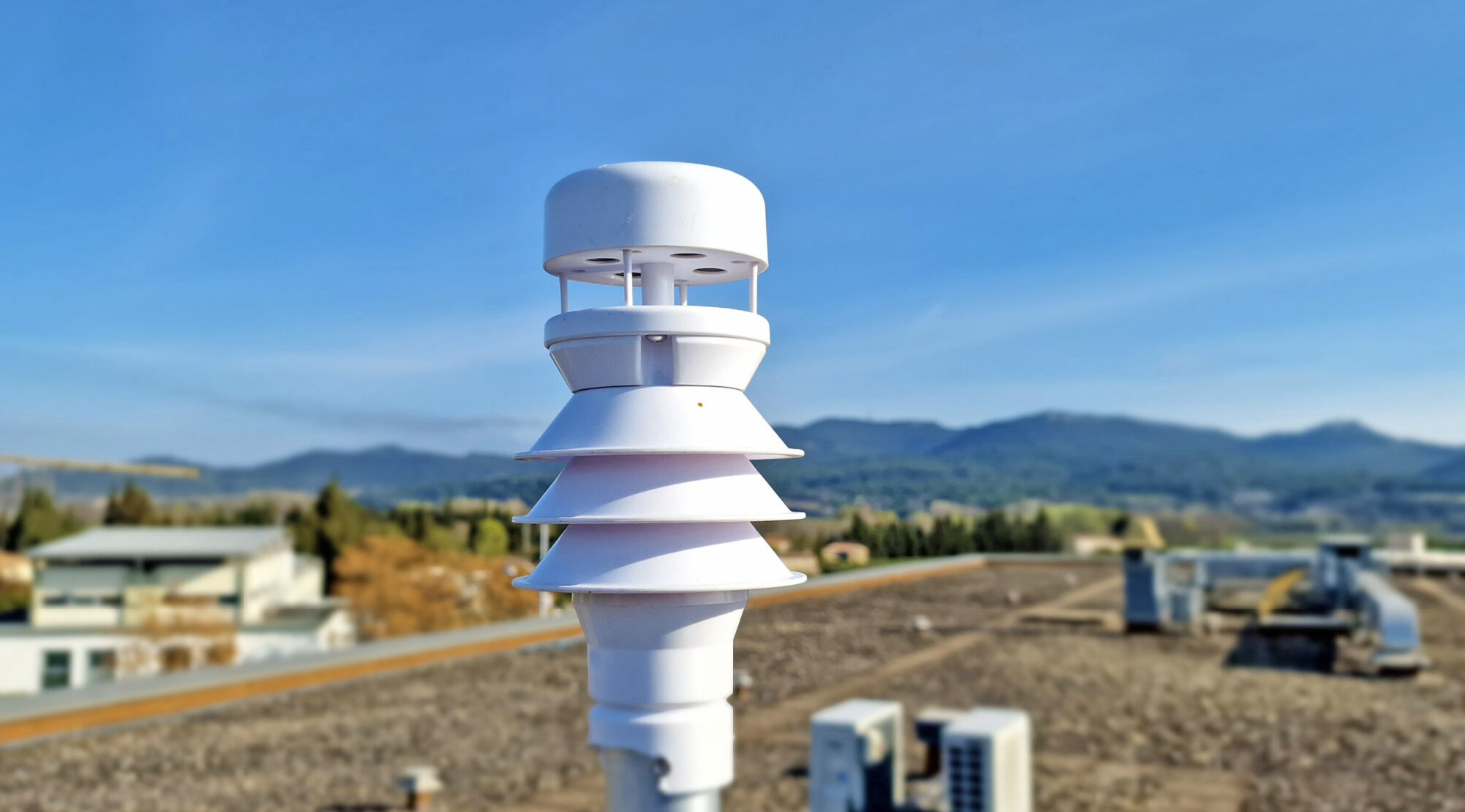
Pollen count measures the concentration of pollen grains per cubic meter of air, typically reported as PPM. When pollen levels are high, allergy sufferers commonly experience sneezing, runny or stuffy nose, itchy or watery eyes, coughing, and throat irritation. In Sterling Heights, automated particulate sensors using neural network algorithms identify individual pollen species to provide accurate daily counts for trees, grasses, and weeds.
Key Pollen Types and Significant Trends in Sterling Heights
Sterling Heights residents face three distinct categories of allergenic pollen throughout the year, with recent data revealing significant increases in production and season length. Research from 2006-2017 documented 127,163 respiratory-related deaths in Michigan, with intense oak pollen seasons correlating to increased emergency department visits for asthma and allergic asthma in the Metro Detroit area.
- Tree Pollen: Dominated by oak, birch, maple, and cedar from late March through May, with peak intensity in late April to early May causing the highest allergy burden
- Grass Pollen: Timothy grass, Kentucky bluegrass, and ryegrass peak in June, creating the strongest grass allergy month in Sterling Heights
- Ragweed Pollen: The most significant fall allergen peaking around September 15, highly allergenic even in small amounts and extended by recent dry warm weather patterns
- Climate Change Impact: Cypress and oak trees now produce significantly more pollen due to rising temperatures and CO₂ emissions, extending the overall pollen season by approximately 20 days compared to 30 years ago
The urban heat island effect from Sterling Heights' dense development further intensifies local pollen seasons by elevating temperatures beyond surrounding rural areas. Urban parks along the Clinton River and downtown areas present higher allergenic pollen risk than peripheral parks, making location-based pollen tracking essential for residents planning outdoor activities.
Seasonal Pollen Patterns in Sterling Heights
Sterling Heights experiences distinct pollen seasons across the year, with three major peak periods creating prolonged allergy challenges:
- Spring (Late March to May): Dominated by tree pollen from oak, birch, maple, cedar, ash, elm, willow, walnut, and mulberry, with peak intensity in late April to early May
- Summer (Late May to July): Grass pollen season peaks in June with timothy grass, Kentucky bluegrass, ryegrass, and Bermuda grass causing the strongest allergy symptoms
- Fall (Late August to October): Ragweed predominates alongside plantain, lamb's quarters, and nettle, with ragweed peaking around mid-September and sometimes persisting through November
- Winter (December to February): Outdoor allergens minimal due to cold weather, though indoor allergens like dust mites and pet dander become primary concerns for sensitive individuals
Access Daily Pollen Data for Sterling Heights
The Pollen Count & Alerts App provides Sterling Heights residents with real-time pollen monitoring specific to their ZIP codes (48312, 48313). Track daily counts for tree, grass, weed pollen, and mold spores with accurate forecasts up to five days ahead. Receive personalized alerts when pollen levels spike so you can plan outdoor activities during low-pollen times and manage your allergies proactively.
Effective Allergy Management Strategies for Sterling Heights Residents
Taking proactive steps can significantly reduce pollen exposure and allergy symptoms during Sterling Heights' extended pollen season:
- Use the Pollen Count & Alerts App: Monitor real-time pollen levels and receive alerts to plan outdoor activities during low-pollen times, especially during peak months of May, June, and September
- Maintain Indoor Air Quality: Keep windows closed during high pollen days, particularly on windy mornings when pollen dispersal is strongest, and run air conditioning with clean filters
- Practice Personal Hygiene: Shower and wash hair before bed to remove pollen particles, change clothes after outdoor activities, and rinse nasal passages with saline solution
- Install HEPA Air Purifiers: Use high-efficiency particulate air filters in bedrooms and main living areas to capture pollen particles and reduce indoor allergen concentrations
- Consult an Allergist: Seek professional evaluation for persistent symptoms, especially if you experience asthma exacerbation during peak oak or ragweed seasons when emergency department visits increase
App Features to Enhance Your Allergy Management
The Pollen Count & Alerts App offers comprehensive tools designed specifically to help Sterling Heights residents navigate the city's challenging and extended pollen seasons:
- Real-Time Pollen Counts: Access the latest pollen data specific to Sterling Heights using automated sensors with neural network identification for accurate tree, grass, and weed tracking
- Customized Alerts: Receive personalized notifications when pollen levels for your specific allergens reach thresholds that trigger your symptoms, especially during peak ragweed and oak seasons
- Accurate Forecasts: Plan your week with reliable 5-day pollen forecasts that account for Sterling Heights' humid continental climate and local weather patterns affecting pollen dispersal
- Educational Content: Learn about the 15+ tree species, 4 grass types, and 9+ weed varieties that affect Sterling Heights, plus climate change impacts extending your allergy season
- Intuitive Design: Navigate easily through daily counts, seasonal trends, and historical data to understand your personal allergy patterns throughout Sterling Heights' 8-9 month pollen season


Learn More About Managing Seasonal Allergies
- Understanding Allergy Pollen Counts: Your Comprehensive Guide – Discover how to interpret daily pollen count levels and develop effective strategies to minimize your exposure during peak allergy seasons.
- Why Are My Allergies So Bad Right Now? | Pollen Count & Alerts App Blog – Understand the factors that can cause sudden allergy flare-ups, including climate change, cross-reactivity, and environmental triggers.
- Do Allergies Get Worse as You Age? | Pollen Count & Alerts App Blog – Learn why your allergies may develop, worsen, or improve as you age and what you can do to adapt your management strategies.
Stay informed with expert advice and seasonal updates by visiting the Alert Pollen Blog.
Pollen count in nearby cities
FAQ
When is pollen season in Sterling Heights, MI?
Pollen season in Sterling Heights extends from late March through early October, with peak allergy months in May, June, and September. Tree pollen dominates from late March to late May (oak, birch, and maple being the primary culprits), grass pollen peaks in June, and ragweed season runs from late August through mid-October. Due to climate change, the pollen season is now approximately 20 days longer than it was 30 years ago in the Metro Detroit area.
What are the most common pollen allergens in Sterling Heights, MI?
The most significant allergens in Sterling Heights include oak, birch, and maple trees during spring (April-May), timothy grass and Kentucky bluegrass in late spring and summer (June-July), and ragweed in late summer and fall (August-October). Ragweed is particularly problematic as it's highly allergenic even in small amounts, with peak levels occurring around mid-September. Other notable allergens include cedar, ash, elm, various weed pollens like plantain and lamb's quarters, and cottonwood trees throughout the growing season.
How can the Pollen Count & Alerts App help me manage my allergies in Sterling Heights?
The Pollen Count & Alerts App provides real-time pollen counts specific to Sterling Heights (ZIP codes 48312, 48313), allowing you to plan outdoor activities on low-pollen days and take preventive medication before counts spike. You'll receive personalized alerts for the specific allergens that affect you most, whether that's oak pollen in spring or ragweed in fall, helping you stay ahead of symptoms rather than reacting to them.
Final Thoughts
Living with pollen allergies in Sterling Heights doesn't have to mean suffering through eight months of the year. With accurate information about local pollen patterns and the right tools to monitor daily conditions, you can take control of your allergy symptoms and enjoy outdoor activities even during peak seasons. The Pollen Count & Alerts App puts this power in your hands with localized, real-time data specific to Sterling Heights.
Download the Pollen Count & Alerts App today to start receiving personalized pollen alerts and forecasts tailored to your specific allergens and location.
Take Control of Your Allergies Today
Don't let pollen dictate your daily plans. The Pollen Count & Alerts App delivers real-time pollen counts for Sterling Heights, personalized alerts based on your specific triggers, and comprehensive 5-day forecasts to help you prepare for high-pollen days. Whether you're dealing with spring tree pollen, summer grasses, or fall ragweed, our app keeps you one step ahead of allergy season.