St. Petersburg, Florida is a vibrant coastal city located on a peninsula surrounded by Tampa Bay, Old Tampa Bay, and the Gulf of Mexico. Its subtropical climate and year-round growing season create a uniquely challenging environment for allergy sufferers, with continuous pollen exposure from trees, grasses, and weeds. This guide covers the main pollen types, seasonal patterns, recent trends, and effective strategies for managing allergies in St. Petersburg.
Understanding Pollen Count in St. Petersburg
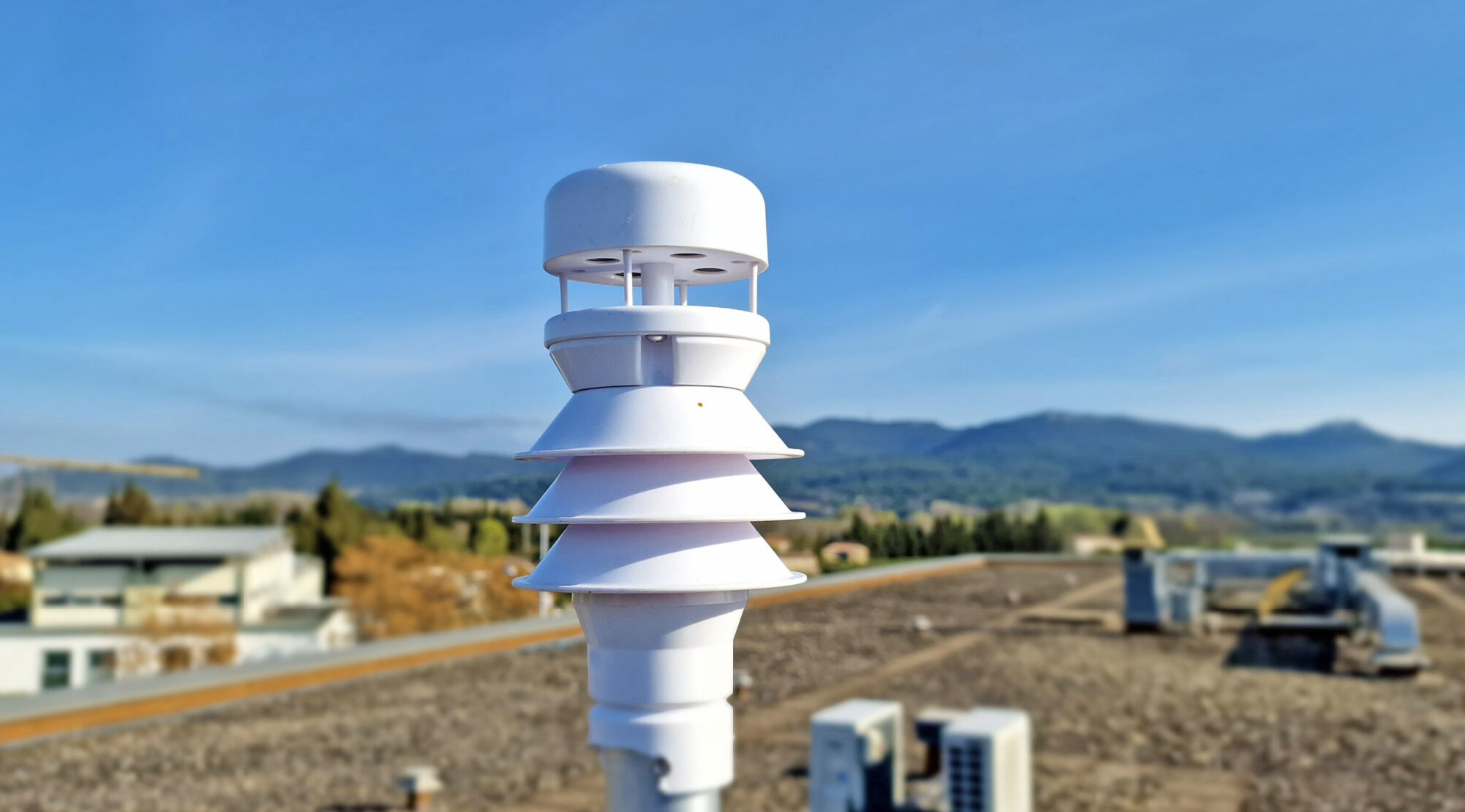
Pollen count measures the concentration of pollen grains per cubic meter of air, helping predict allergy symptom severity. High pollen levels typically trigger sneezing, runny nose, itchy eyes, congestion, and respiratory discomfort. In St. Petersburg, automated sensors from Pollen Sense, LLC use neural network algorithms to identify individual pollen species in real time.
Key Pollen Types and Significant Allergen Trends
St. Petersburg experiences one of the longest tree pollen seasons in the United States, extending approximately six months from December through May. The area's subtropical climate and moisture-laden air create year-round allergen presence with overlapping seasonal transitions. Oak species, particularly live oak and laurel oak, produce the single most significant tree allergen, coating surfaces in visible yellow-green layers during peak months from February to April.
- Oak Pollen: Peaks from February to April with heaviest concentrations in mid-March, producing enormous quantities that create visible yellow-green coatings on outdoor surfaces
- Bahia Grass Pollen: Dominant grass species in Pinellas County producing heavy pollen loads from April through September, with peak levels in late May
- Ragweed Pollen: Primary fall allergen dominating September through November and sometimes extending into December during mild years
- Dog Fennel Pollen: Particularly prevalent local weed allergen in the Tampa Bay metro area, peaking in late summer and fall alongside ragweed
The peninsula geography traps humid, pollen-laden air with moisture flowing onshore from multiple directions simultaneously. High humidity frequently exceeds 75-80 percent, causing pollen grains to absorb moisture, swell, and rupture into smaller allergenic fragments that penetrate deeper into the respiratory system than intact pollen grains.
Seasonal Pollen Patterns in St. Petersburg
St. Petersburg experiences continuous year-round pollen with no true break between seasons due to mild winters and lack of hard freezes.
- Winter (December to February): Cypress and juniper pollen begins in December, followed by Australian pine, Brazilian pepper, and early oak pollen starting in late February
- Spring (March to May): Peak tree pollen season with oak peaking February through April, pine producing visible yellow coating, and grass pollen beginning in April
- Summer (June to August): Peak grass pollen season dominated by Bahia and Bermuda grass, with late summer bringing the start of dog fennel pollen
- Fall (September to November): Peak weed pollen season dominated by ragweed and dog fennel, with continued grass pollen extending into mild years
Access Daily Pollen Data in St. Petersburg
The Pollen Count & Alerts App provides real-time pollen monitoring specifically for St. Petersburg residents. Track daily levels of tree, grass, weed, and mold spores with accurate forecasts tailored to your zip code. Stay informed about allergen levels and receive timely alerts to plan your outdoor activities during low-pollen periods.
Effective Allergy Management Strategies
Managing year-round allergies in St. Petersburg requires consistent daily habits and proactive monitoring.
- Use the Pollen Count & Alerts App: Monitor real-time pollen levels and receive alerts to plan outdoor activities during low-pollen times
- Maintain Indoor Air Quality: Keep windows closed during high pollen days, especially on hot and windy mornings when counts surge
- Practice Personal Hygiene: Shower and change clothes after outdoor exposure to remove pollen from hair and skin, preventing indoor contamination
- Install HEPA Air Purifiers: Use high-efficiency particulate air filters in bedrooms and main living areas to capture pollen fragments and mold spores
- Consult an Allergist: Seek professional evaluation for immunotherapy or prescription medications, especially given the extended pollen seasons in the area
Enhance Your Allergy Management with the Pollen Count & Alerts App
The Pollen Count & Alerts App offers comprehensive features designed to help St. Petersburg residents manage year-round allergen exposure effectively.
- Real-Time Pollen Counts: Access the latest pollen data specific to your St. Petersburg location with updates from automated monitoring sensors
- Customized Allergen Alerts: Receive personalized notifications when pollen levels for your specific allergens reach high or very high thresholds
- Accurate Multi-Day Forecasts: Plan ahead with detailed pollen predictions for tree, grass, weed, and mold spore levels over the coming days
- Educational Allergen Content: Learn about local pollen types including oak, Bahia grass, and ragweed with seasonal pattern insights
- Intuitive User-Friendly Design: Navigate easily through pollen data, forecasts, and alerts with a clean interface optimized for daily monitoring


Explore More on Managing Seasonal Allergies
- Understanding Allergy Pollen Counts: Your Comprehensive Guide – Learn how to interpret pollen count levels and develop effective strategies to minimize your exposure and manage symptoms year-round.
- Why Are My Allergies So Bad Right Now? | Pollen Count & Alerts App Blog – Discover the reasons why your allergy symptoms might suddenly intensify, including environmental changes and prolonged allergen exposure.
- Do Allergies Get Worse as You Age? | Pollen Count & Alerts App Blog – Understand how your body's allergic responses evolve over time and what you can do to adapt your management approach.
Stay updated with the latest tips and insights by visiting the Alert Pollen Blog.
Pollen count in nearby cities
FAQ
When is pollen season in St. Petersburg?
St. Petersburg experiences year-round pollen with no true break between seasons due to its subtropical climate. Tree pollen dominates from December through May, with oak peaking in mid-March, grass pollen season runs from April through September with late May peaks, and ragweed and weed pollen are most intense from September through November. The city has one of the longest tree pollen seasons in the United States, extending approximately six months.
What are the most common allergens in St. Petersburg?
The most common allergens in St. Petersburg include oak species (live oak, laurel oak, and water oak) which are the single most significant tree allergen, along with pine, cypress, and Australian pine during winter and spring. Bahia grass and Bermuda grass dominate the summer months from April through September. Ragweed and dog fennel are the primary fall allergens from September through November, with dog fennel being particularly prevalent in the Tampa/St. Petersburg metro area.
How can I protect myself from pollen in St. Petersburg's humid climate?
Monitor daily pollen forecasts using the Pollen Count & Alerts App to plan outdoor activities on lower-count days, especially during mid-March tree pollen peaks and late May grass pollen surges. Keep windows closed during high pollen days, shower after being outdoors to remove pollen particles, and use air conditioning with HEPA filters to reduce indoor allergen exposure. St. Petersburg's high humidity causes pollen grains to rupture into smaller fragments that penetrate deeper into the respiratory system, making proactive prevention particularly important.
Final Thoughts
Living in St. Petersburg means facing one of the longest and most challenging pollen seasons in the United States, but understanding the local allergen patterns empowers you to take control of your health. With the right information about peak pollen periods and the tools provided by Pollen Count & Alerts App, you can anticipate high-count days and adjust your activities accordingly. Knowledge of St. Petersburg's unique geography and climate helps you make informed decisions about outdoor exposure throughout the year.
Don't let year-round pollen control your life—download the Pollen Count & Alerts App today to receive personalized alerts and stay one step ahead of St. Petersburg's relentless allergen season. Take charge of your respiratory health with real-time data tailored to your location.
Take Control of Your Allergies Today
The Pollen Count & Alerts App provides real-time pollen counts, personalized alerts based on your specific sensitivities, and comprehensive forecasts for St. Petersburg's complex allergen landscape. Whether you're dealing with spring oak pollen, summer grass, or fall ragweed, our app helps you plan your days and minimize exposure. Download now to breathe easier and enjoy outdoor activities with confidence.