Sparks, Nevada sits at 4,500 feet elevation in the Truckee Meadows valley, where the Great Basin desert meets the Sierra Nevada mountains. This unique geographic position creates one of the longest allergy seasons in the United States, spanning approximately 10 months from February through November. Residents face allergens from two distinct ecosystems simultaneously, with Great Basin sagebrush serving as the dominant allergen affecting 25% of the local population. This guide covers the main pollen types, seasonal patterns, recent monitoring data, and effective management strategies for Sparks allergy sufferers.
Understanding Pollen Count in Sparks, NV
Pollen count measures the concentration of pollen grains per cubic meter of air, with readings above 120 considered very high for most allergen types. Recent measurements in the Reno-Sparks area recorded 1,184.2 pollen grains per cubic meter during peak spring periods. When pollen counts are elevated, common symptoms include sneezing, nasal congestion, itchy eyes, wheezing, coughing, and breathlessness, with asthma exacerbation particularly severe during sagebrush season.
Key Pollen Types and Significant Allergen Trends in Sparks
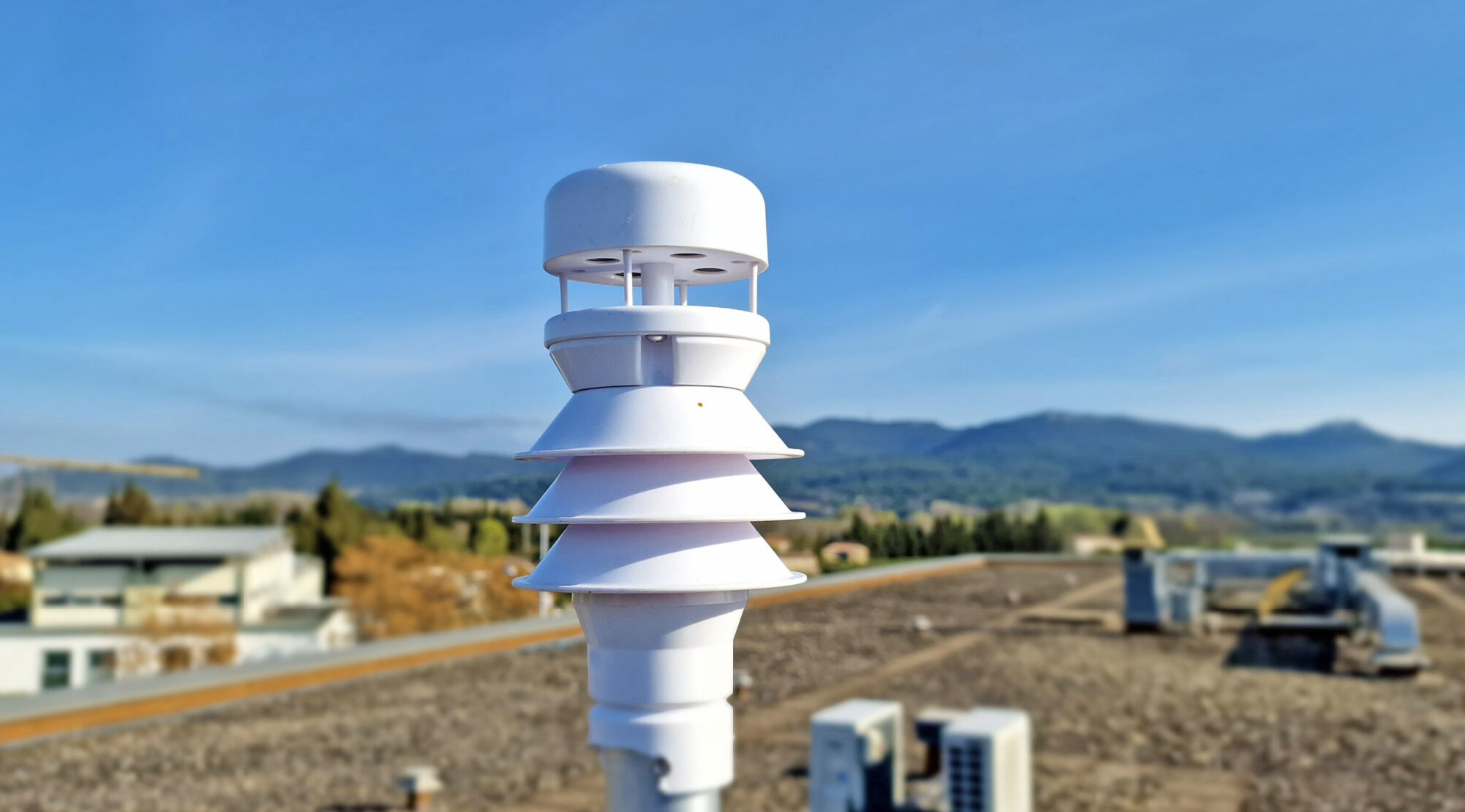
Sparks experiences allergen exposure from both desert and mountain ecosystems, creating a complex and prolonged allergy season. The region's low humidity keeps pollen airborne significantly longer than in humid climates, while strong winds from the Sierra Nevada and across the Great Basin distribute allergens widely throughout the bowl-shaped Truckee Meadows valley. Automated particulate sensors using neural network algorithms now provide continuous monitoring data, revealing daily peak pollen times between 5:00 AM and 10:00 AM.
- Great Basin Sagebrush: The single most common cause of fall hay fever and asthma in northern Nevada, peaking August through September and affecting 25% of the Reno-Sparks population
- Juniper Pollen: Major spring allergen dominating March through April, creating the most challenging period when combined with frequent wind events
- Grass Pollen: Including Bermuda, Timothy, and Kentucky Bluegrass species peaking June through July during the summer season
- Ragweed and Russian Thistle: Late summer and fall weed allergens active from late August through October across the desert landscape
The millions of acres of Great Basin sagebrush surrounding the Truckee Meadows produce enormous quantities of highly allergenic wind-dispersed pollen that travels long distances. Sparks' bowl-shaped topography traps and concentrates these allergens in the valley, while desert dust carries pollen and irritants that exacerbate respiratory symptoms. This combination of geographic and climatic factors creates particularly severe asthma attacks during the August-September sagebrush peak.
Seasonal Pollen Patterns in Sparks, NV
Sparks experiences distinct seasonal allergen patterns throughout its extended 10-month allergy season:
- Spring (February to May): Dominated by tree pollen from juniper, willow, maple, oak, cottonwood, birch, cedar, mulberry, and ash, with March through May representing peak levels
- Summer (May to August): Characterized by grass pollen from Bermuda grass, Timothy grass, Kentucky Bluegrass, and saltgrass, peaking in June and July with a brief respite in July
- Fall (August to November): Weed pollen season led by Great Basin sagebrush and ragweed, with sagebrush peaking August through September and ragweed extending through October
- Winter (December to January): Minimal pollen activity with occasional early tree blooming during mild winters, though year-round allergens include dust and mold spores
Access Daily Pollen Data for Sparks, NV
The Pollen Count & Alerts App provides real-time pollen monitoring specifically for the Sparks area, tracking tree, grass, weed, and mold spore levels throughout the year. With data sourced from local monitoring stations including Allergy and Asthma Associates in Reno and national networks, you can access up-to-date information to plan your day around pollen levels. The app delivers personalized alerts during peak morning hours when pollen concentrations are highest, helping you minimize exposure during the 5:00 AM to 10:00 AM window.
Effective Allergy Management Strategies for Sparks Residents
Managing allergies in Sparks' extended pollen season requires proactive strategies tailored to the local environment:
- Use the Pollen Count & Alerts App: Monitor real-time pollen levels and receive alerts to plan outdoor activities during low-pollen times, especially avoiding peak morning hours
- Improve Indoor Air Quality: Keep windows closed during high pollen days, particularly during March through May tree pollen peak and August through September sagebrush season
- Practice Personal Hygiene: Shower and change clothes after outdoor exposure to remove pollen, wash hair before bed to prevent allergen transfer to pillows
- Install HEPA Air Purifiers: Use high-efficiency particulate air filters in bedrooms and main living areas to capture airborne pollen that remains suspended in Sparks' low-humidity air
- Consult a Board-Certified Allergist: Seek professional evaluation and treatment options from local specialists familiar with Great Basin sagebrush and regional allergen patterns
Pollen Count & Alerts App Features for Enhanced Allergy Management
The Pollen Count & Alerts App offers comprehensive tools designed specifically to help Sparks residents navigate the region's challenging 10-month allergy season:
- Real-Time Pollen Counts: Access the latest pollen data specific to Sparks and the Truckee Meadows, including measurements from local monitoring stations
- Customized Allergen Alerts: Receive personalized notifications when sagebrush, juniper, grass, or ragweed levels rise, tailored to your specific sensitivities
- Accurate 5-Day Forecasts: Plan ahead with detailed predictions for tree, grass, and weed pollen levels throughout the week
- Educational Allergen Content: Learn about Great Basin sagebrush, local tree species, and the unique dual-ecosystem allergen exposure in northern Nevada
- Intuitive User Interface: Navigate easily through pollen data, seasonal calendars, and management tips designed for the extended Sparks allergy season


Explore More on Managing Seasonal Allergies
- Understanding Allergy Pollen Counts: Your Comprehensive Guide – Discover how to interpret pollen counts and develop effective management strategies to reduce your allergy symptoms throughout the year.
- Why Are My Allergies So Bad Right Now? | Pollen Count & Alerts App Blog – Learn about the environmental and biological factors that can cause your allergies to suddenly intensify or develop new sensitivities.
- Do Allergies Get Worse as You Age? | Pollen Count & Alerts App Blog – Understand how your immune system and allergy responses evolve as you age and what you can do to adapt your management approach.
Stay updated with the latest tips and insights by visiting the Alert Pollen Blog.
Pollen count in nearby cities
FAQ
When is pollen season in Sparks, NV?
Pollen season in Sparks, NV lasts approximately 10 months per year, from February through November, making it one of the longest allergy seasons in the United States. Tree pollen dominates from February to May with juniper peaking in March-April, grass pollen is highest from May to August, and weed pollen, particularly Great Basin sagebrush, peaks from August through November. Only December and January provide minimal relief, though mild winters can trigger early tree blooming.
What are the most common allergens in Sparks, NV?
The most common allergens in Sparks include Great Basin sagebrush, which is the dominant allergen affecting approximately 25% of the population and peaks from August to September. Tree allergens include juniper (peaking March-April), willow, maple, oak, cottonwood, and birch. Grass allergens such as Bermuda grass, Timothy grass, and Kentucky Bluegrass peak from June to July, while other weeds like ragweed and Russian thistle contribute to fall allergy symptoms.
How can I protect myself from pollen in Sparks, NV's unique desert environment?
Due to Sparks' low humidity and strong winds that keep pollen airborne longer, it's essential to stay indoors during peak pollen hours (5:00 AM to 10:00 AM) and monitor daily pollen counts through the Pollen Count & Alerts App. The bowl-shaped valley topography traps pollen, so using HEPA filters at home and keeping windows closed during high pollen days can significantly reduce exposure. Consider showering and changing clothes after outdoor activities to remove pollen particles that cling to skin and fabrics in the dry desert climate.
Final Thoughts
Living in Sparks, NV presents unique allergy challenges due to the exceptionally long 10-month pollen season and the combination of desert and mountain allergens. However, with accurate information about local pollen patterns and the right tools like the Pollen Count & Alerts App, you can effectively manage your symptoms and enjoy outdoor activities year-round. Understanding that sagebrush, juniper, and grass pollens peak at different times allows you to plan ahead and take preventive measures.
Download the Pollen Count & Alerts App today to receive real-time pollen data specific to Sparks and personalized alerts that help you stay one step ahead of your allergies.
Take Control of Your Allergies Today
The Pollen Count & Alerts App provides real-time pollen counts, personalized alerts tailored to your specific allergen sensitivities, and comprehensive forecasts for Sparks, NV. Whether you're sensitive to sagebrush, juniper, or grass pollen, our app helps you plan your day and minimize exposure during peak pollen times. Download now and breathe easier all year long.