South Bend, Indiana, located in the northern part of the state along the St. Joseph River, experiences a humid continental climate with cold winters and warm, humid springs. The city's abundant urban parks, surrounding agricultural lands, and Great Lakes regional vegetation create an 8-9 month allergy season extending from late February through November. This guide covers the main pollen types affecting South Bend residents, seasonal patterns, recent trends, and strategies for managing your allergies throughout the year.
Understanding Pollen Count in South Bend
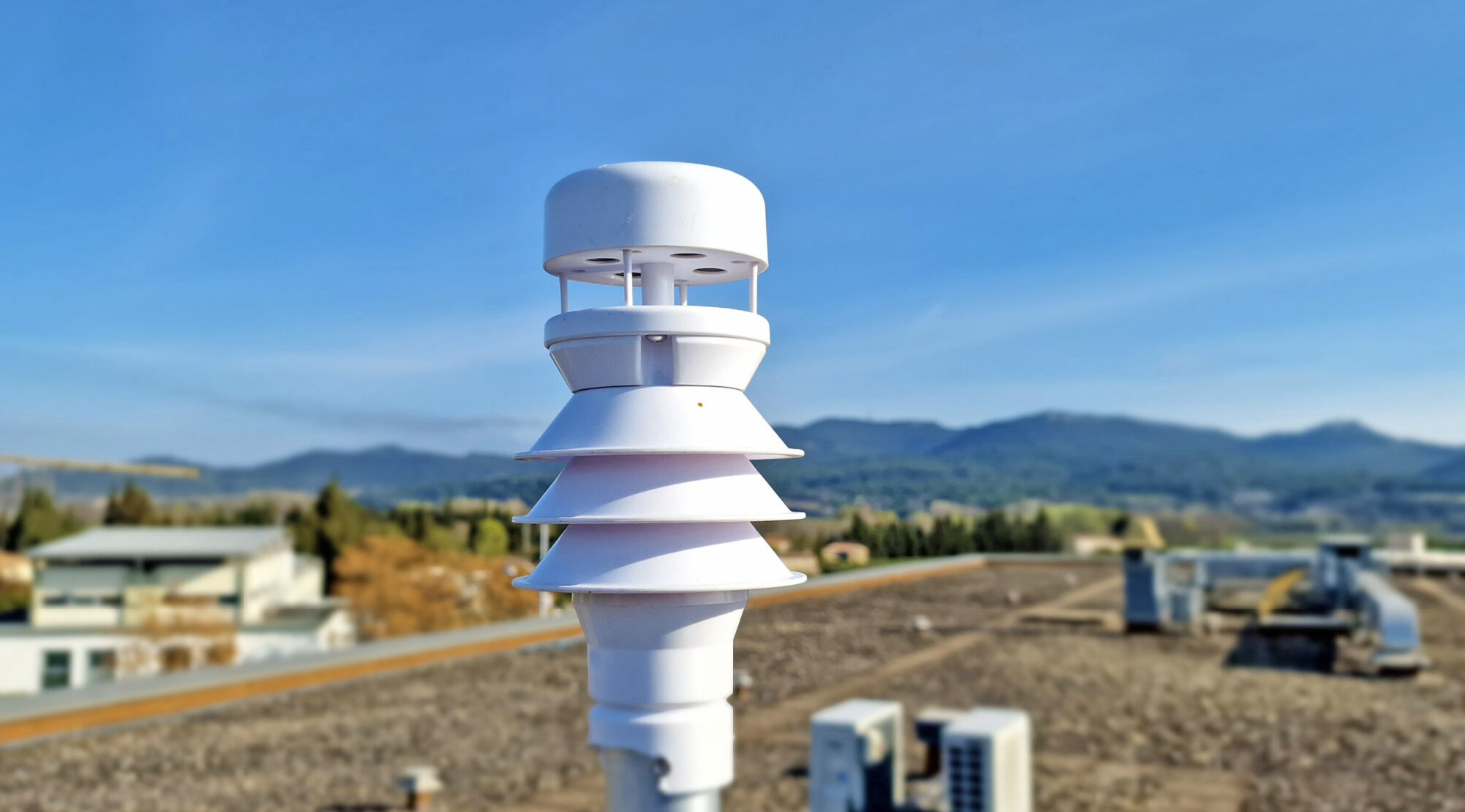
Pollen count measures the concentration of pollen grains per cubic meter of air, providing insight into allergen exposure levels. Local monitoring stations use automated sensors and neural network technology to identify specific pollen species and calculate daily counts. When pollen counts are elevated, approximately 20% of the population may experience symptoms including sneezing, runny nose, itchy and watery eyes, sinus pressure, and fatigue.
Key Pollen Types and Recent Trends in South Bend
South Bend faces three major pollen seasons throughout the year, with approximately 75% of seasonal allergy sufferers specifically affected by ragweed during the fall. Climate change and warming trends are lengthening pollen seasons, with later fall frosts now extending ragweed pollination into November. The following pollen types represent the most significant allergen sources for South Bend residents.
- Tree Pollen (Oak, Maple, Birch): Peaks in April and May with oak, birch, and elm producing the highest concentrations across urban parks and green spaces
- Grass Pollen (Kentucky Bluegrass, Timothy): Dominates June and July as agricultural surroundings and lawns release high levels of perennial ryegrass and timothy grass
- Ragweed Pollen: The most significant fall allergen, peaking in mid-September and affecting 75% of allergy sufferers across northern Indiana
- Climate-Extended Seasons: Warmer winters and rising temperatures are increasing overall pollen production and delaying the first hard frost that traditionally ends the ragweed season
South Bend's flat, open landscape and prevailing westerly winds carry agricultural pollen from surrounding farmlands into the city, while the St. Joseph River corridor creates humid microclimates that support vegetation growth. The urban heat island effect in developed areas may slightly extend pollen seasons compared to rural surroundings, and hot, dry, windy conditions consistently correlate with the highest pollen dispersal rates.
Seasonal Pollen Patterns in South Bend
South Bend's allergy season follows distinct patterns across the year with varying dominant allergen types.
- Spring (Late February to May): Peak tree pollen season with oak, maple, birch, elm, and ash producing the highest concentrations in April and May
- Summer (June to July): Dominated by grass pollen from Kentucky bluegrass, timothy, perennial ryegrass, and Bermuda grass as temperatures rise
- Fall (August to November): Ragweed season begins in early August and peaks in mid-September, with the most severe symptoms reported during this period
- Winter (December to January): Cold winters provide relief from outdoor allergens, though the season is shortening due to climate warming trends
Access Daily Pollen Data for South Bend
The Pollen Count & Alerts App provides real-time pollen monitoring specifically for South Bend, tracking tree, grass, weed, and mold spore levels throughout the day. Stay informed with daily forecasts and extended predictions to plan your outdoor activities during low-pollen periods. The app delivers location-specific data so you can make informed decisions about when to spend time in South Bend's parks and outdoor spaces.
Effective Allergy Management Strategies for South Bend Residents
Managing pollen allergies requires a combination of monitoring, prevention, and environmental control measures.
- Use the Pollen Count & Alerts App: Monitor real-time pollen levels and receive personalized alerts to plan outdoor activities during low-pollen times, especially on hot, windy days
- Maintain Indoor Air Quality: Keep windows closed during peak pollen hours (morning), use air conditioning with clean filters, and reduce indoor allergen accumulation
- Practice Personal Hygiene: Shower and change clothes after outdoor activities to remove pollen from skin and hair, and wash bedding weekly in hot water
- Install HEPA Air Purifiers: Use high-efficiency particulate air filters in bedrooms and main living areas to capture pollen particles and improve indoor air quality
- Consult a Local Allergist: South Bend Clinic Allergy & Immunology and other local practices offer testing, immunotherapy, and personalized treatment plans for severe symptoms
Enhance Your Allergy Management with the Pollen Count & Alerts App
The Pollen Count & Alerts App offers comprehensive features designed to help South Bend residents manage their allergies effectively throughout the extended pollen season.
- Real-Time Pollen Counts: Access the latest pollen data specific to South Bend, including tree, grass, weed, and mold spore concentrations updated throughout the day
- Customized Allergy Alerts: Receive personalized notifications when pollen levels for your specific allergens reach elevated thresholds in your area
- Accurate Multi-Day Forecasts: Plan ahead with reliable 5-day pollen forecasts and view 30-day historical data to identify seasonal patterns
- Educational Allergen Content: Learn about specific pollen types affecting South Bend, including ragweed, oak, birch, and Kentucky bluegrass, with symptom management tips
- Intuitive User Interface: Navigate easily through location-based data, seasonal calendars, and trend analysis designed for quick daily reference


Learn More About Managing Your Seasonal Allergies
- Understanding Allergy Pollen Counts: Your Comprehensive Guide – Discover how to interpret pollen count levels and develop effective strategies to minimize your allergy symptoms throughout the year.
- Why Are My Allergies So Bad Right Now? | Pollen Count & Alerts App Blog – Find out the common reasons why your allergy symptoms may suddenly intensify, from climate change to environmental factors.
- Do Allergies Get Worse as You Age? | Pollen Count & Alerts App Blog – Understand how your body's response to allergens evolves over time and what you can do to adapt your allergy management approach.
Stay updated with the latest tips and insights by visiting the Alert Pollen Blog.
Pollen count in nearby cities
FAQ
When is pollen season in South Bend, IN?
Pollen season in South Bend typically runs from late February through November, spanning 8-9 months of the year. The season begins with tree pollen (alder, maple, oak, birch) peaking in April and May, followed by grass pollen (Kentucky bluegrass, timothy grass) dominating June and July, and concluding with ragweed and other weed pollen reaching their highest levels in September. The first hard frost, usually in November, finally ends the ragweed season and provides winter relief for allergy sufferers.
What are the most common allergens in South Bend, IN?
The most common allergens in South Bend include oak, maple, birch, elm, and ash trees that peak in April and May, Kentucky bluegrass and timothy grass that dominate June and July, and common ragweed which becomes the most significant allergen from mid-August through October. Ragweed is particularly impactful, affecting approximately 75% of seasonal allergy sufferers in the area. Other notable allergens include pine, willow, mulberry, perennial ryegrass, mugwort, and pigweed, all contributing to South Bend's extended 8-9 month allergy season.
How can I reduce my pollen exposure in South Bend during peak seasons?
To minimize pollen exposure in South Bend, check daily pollen forecasts through the Pollen Count & Alerts App or The South Bend Clinic website before planning outdoor activities, especially on hot, dry, windy days when pollen counts are highest. Stay indoors during morning hours when pollen concentrations peak, keep windows closed during high-pollen periods, and shower after spending time outdoors to remove pollen from your hair and skin. Using the Pollen Count & Alerts App's personalized alerts can help you time outdoor activities for when pollen levels are lower.
Final Thoughts
Living with pollen allergies in South Bend can be challenging, especially during the peak months of April, May, and September when tree, grass, and ragweed pollen reach their highest concentrations. However, armed with knowledge about local pollen patterns and equipped with reliable forecasting tools like the Pollen Count & Alerts App, you can take control of your allergy management and enjoy South Bend's outdoor spaces more comfortably. Understanding when specific allergens peak allows you to plan ahead and minimize your exposure during the most difficult periods.
Download the Pollen Count & Alerts App today to receive personalized pollen alerts tailored to South Bend's unique seasonal patterns and take the guesswork out of managing your allergies. With real-time data and accurate forecasts at your fingertips, you'll be better prepared to face each pollen season with confidence.
Take Control of Your Allergies Today
The Pollen Count & Alerts App provides South Bend residents with real-time pollen counts, personalized alerts based on your specific allergen sensitivities, and comprehensive forecasts to help you plan your days around local pollen patterns. Whether you're dealing with spring tree pollen, summer grasses, or fall ragweed, our app delivers the accurate, location-specific information you need to minimize symptoms and maximize your quality of life. Download now and experience the difference that personalized pollen tracking can make in managing your seasonal allergies.