Shreveport, located in Northwest Louisiana along the Red River, experiences a humid subtropical climate that creates one of the longest allergy seasons in the United States. With over 400 native tree species in the region and extended growing seasons, residents face pollen challenges from February through November—nearly 10 months of the year. This article covers Shreveport's primary pollen types, seasonal patterns, peak allergy months, and effective strategies for managing symptoms in this high-pollen environment.
Understanding Pollen Count in Shreveport
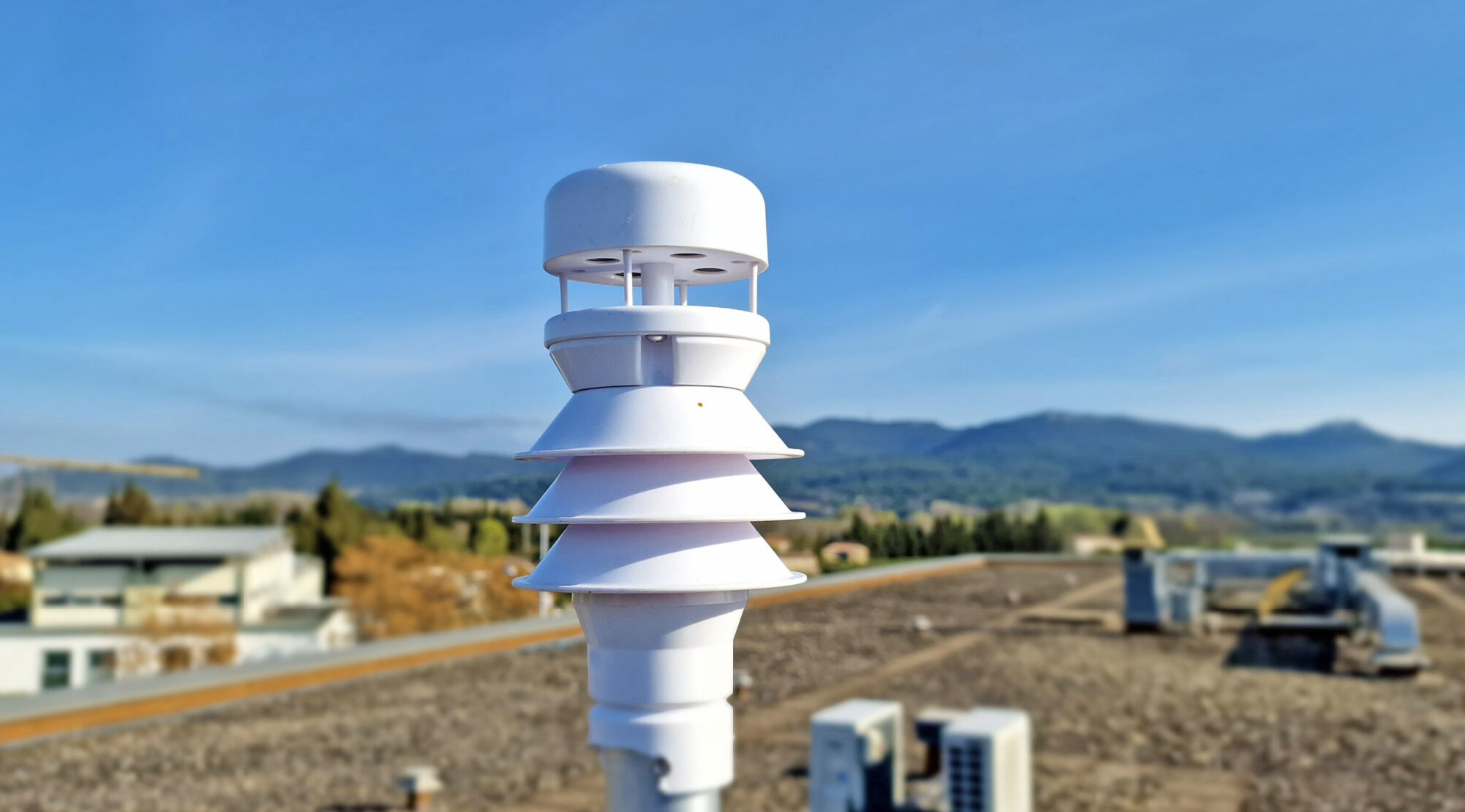
Pollen count measures the concentration of pollen grains per cubic meter of air, collected using automated particulate sensors and neural network algorithms. When pollen levels are high, allergy sufferers typically experience symptoms including sneezing, runny nose, itchy eyes, congestion, and asthma exacerbation. Shreveport's high humidity and abundant vegetation create particularly challenging conditions for those with seasonal allergic rhinitis.
Key Pollen Types Affecting Shreveport Residents
Shreveport's diverse vegetation, including more than a dozen oak species and abundant native trees, produces exceptionally high pollen levels during spring months. The city's pollen profile includes significant contributions from trees in spring, grasses in summer, and ragweed in fall, with oak trees being the dominant allergen during the worst allergy month of April.
- Oak Pollen: Dominates spring with 12+ species including Southern Live Oak, Red Oak, and Willow Oak producing extremely high pollen levels from March to May
- Bermuda Grass & Ryegrass: Primary summer allergens peaking in May through July, contributing to year-round challenges in the humid subtropical climate
- Ragweed Pollen: Major fall allergen beginning in late August and peaking in September, the worst fall allergy month
- Pine & Cedar Pollen: Significant tree pollen contributors starting in late winter, adding to the extended 10-month allergy season
Shreveport's humid subtropical climate with high relative humidity reaching 90% or higher before sunrise creates conditions that prolong pollen production and can exacerbate allergy and asthma symptoms. Dry, windy days with higher temperatures dramatically increase pollen dispersal, while rainy periods and higher humidity provide temporary relief for allergy sufferers.
Seasonal Pollen Patterns in Shreveport
Shreveport's pollen season runs nearly year-round, with distinct allergens dominating each period:
- Late Winter to Early Spring (February to April): Tree pollen season begins in February with oak, ash, hickory, maple, and pine reaching extremely high to very high levels in April
- Late Spring to Summer (May to July): Grass pollen peaks in May with Bermuda grass and ryegrass dominating, making May one of the worst allergy months alongside April
- Late Summer to Fall (August to November): Ragweed and other weed pollens begin in late August, peak in September, and continue through November before declining
- Winter (December to January): Brief respite period with minimal pollen activity, though perennial allergens may still affect sensitive individuals
Accessing Daily Pollen Data in Shreveport
The Pollen Count & Alerts App provides Shreveport residents with essential daily pollen monitoring, as the city has no local NAB-certified pollen counting station. The app delivers real-time tracking of tree, grass, weed, and mold spore levels specific to your location, helping you plan outdoor activities during low-pollen periods. With accurate forecasts based on automated sensors and weather data, you can stay informed throughout Shreveport's extended 10-month allergy season.
Effective Allergy Management Strategies for Shreveport
Managing allergies in Shreveport's challenging high-humidity, high-pollen environment requires proactive strategies:
- Use the Pollen Count & Alerts App: Monitor real-time pollen levels and receive alerts to plan outdoor activities during low-pollen times, especially on dry, windy days
- Improve Indoor Air Quality: Keep windows closed during peak pollen hours, use air conditioning, and reduce indoor humidity to prevent mold growth in the humid climate
- Practice Personal Hygiene: Shower and change clothes after outdoor exposure, especially during April, May, and September peak months
- Install HEPA Air Purifiers: Use high-efficiency particulate air filters in bedrooms and living spaces to remove airborne pollen, particularly important during spring oak pollen season
- Consult an Allergist: Seek professional care from Shreveport's specialized allergy clinics for testing of the 40 most common inhalant allergens and personalized treatment plans
App Features to Enhance Your Allergy Management
The Pollen Count & Alerts App offers comprehensive features designed specifically for managing allergies in high-pollen areas like Shreveport:
- Real-Time Pollen Counts: Access the latest pollen data specific to Shreveport, tracking oak, grass, ragweed, and other local allergens throughout the 10-month season
- Customized Alerts: Receive notifications when pollen levels spike, helping you prepare for high-count days during April, May, and September peaks
- Accurate Forecasts: View multi-day pollen forecasts based on weather patterns, temperature, humidity, and wind conditions that affect Shreveport's pollen dispersal
- Educational Content: Learn about specific allergens affecting Northwest Louisiana, including the 12+ oak species and native grasses prevalent in the region
- Intuitive Design: Navigate easily through pollen data, forecasts, and health tips with a user-friendly interface designed for daily monitoring


Learn More About Managing Your Allergies
- Understanding Allergy Pollen Counts: Your Comprehensive Guide – Discover how to interpret pollen count levels and develop effective strategies to minimize your exposure to seasonal allergens throughout the year.
- Why Are My Allergies So Bad Right Now? | Pollen Count & Alerts App Blog – Understand the factors that can cause your allergy symptoms to intensify unexpectedly, from weather changes to environmental triggers.
- Do Allergies Get Worse as You Age? | Pollen Count & Alerts App Blog – Explore how your body's response to allergens evolves over time and what you can do to adapt your management approach at different life stages.
Stay informed about allergy management and local pollen trends by visiting the Alert Pollen Blog.
Pollen count in nearby cities
FAQ
When is pollen season in Shreveport, LA?
Shreveport experiences an exceptionally long allergy season running from February through November, spanning approximately 10 months of the year. Tree pollen dominates from February to May with oak species peaking in March and April, grass pollen takes over from May through July with Bermuda grass and ryegrass as primary allergens, and weed pollen including ragweed affects residents from late August through November. The worst months for allergies in Shreveport are April, May, and September when pollen levels reach their highest concentrations.
What are the most common allergens in Shreveport, LA?
Shreveport is home to over 400 native tree species, with oak varieties being the most significant allergens including Southern Live Oak, Red Oak, Shumard Oak, and Willow Oak that pollinate heavily from March through May. During summer months, Bermuda grass and ryegrass produce the highest pollen counts from May through July, while ragweed and pigweed dominate the fall allergy season from late August through November. The city's humid subtropical climate and abundant vegetation create particularly challenging conditions with hickory, ash, willow, pine, and cedar trees also contributing to the extended pollen season.
How can I protect myself from high pollen in Shreveport's humid climate?
Monitor daily pollen forecasts through the Pollen Count & Alerts App to plan outdoor activities on days with lower pollen levels, especially avoiding dry, windy mornings when pollen dispersal is highest. Keep windows closed during peak pollen months and use air conditioning to filter indoor air, as Shreveport's high humidity can exacerbate allergy symptoms when combined with elevated pollen counts. Schedule outdoor activities after rainfall when pollen levels temporarily decrease, and shower before bed to remove pollen from your hair and skin.
Final Thoughts
Living in Shreveport means dealing with one of the longest pollen seasons in the country, but understanding when and which allergens affect you most can make a significant difference in managing your symptoms. With the right information and tools like the Pollen Count & Alerts App, you can take proactive steps to minimize exposure during peak pollen periods and enjoy more comfortable days throughout the extended allergy season.
Download the Pollen Count & Alerts App today to receive real-time pollen data specific to Shreveport and personalized alerts that help you stay one step ahead of your allergies.
Take Control of Your Allergies Today
The Pollen Count & Alerts App provides real-time pollen counts for Shreveport, personalized alerts based on your specific sensitivities, and comprehensive forecasts that help you plan your days with confidence. Don't let pollen control your life—download the app now and experience the difference that accurate, localized pollen information can make in managing your seasonal allergies.