Scottsdale, Arizona, nestled in the Sonoran Desert with its arid climate and year-round growing season, presents significant challenges for allergy sufferers. The combination of native desert plants, popular landscape species, and dry windy conditions creates nearly continuous pollen production throughout the year. This guide covers the main pollen types, seasonal patterns, daily monitoring resources, and practical strategies to help you manage allergies in Scottsdale.
Understanding Pollen Count in Scottsdale
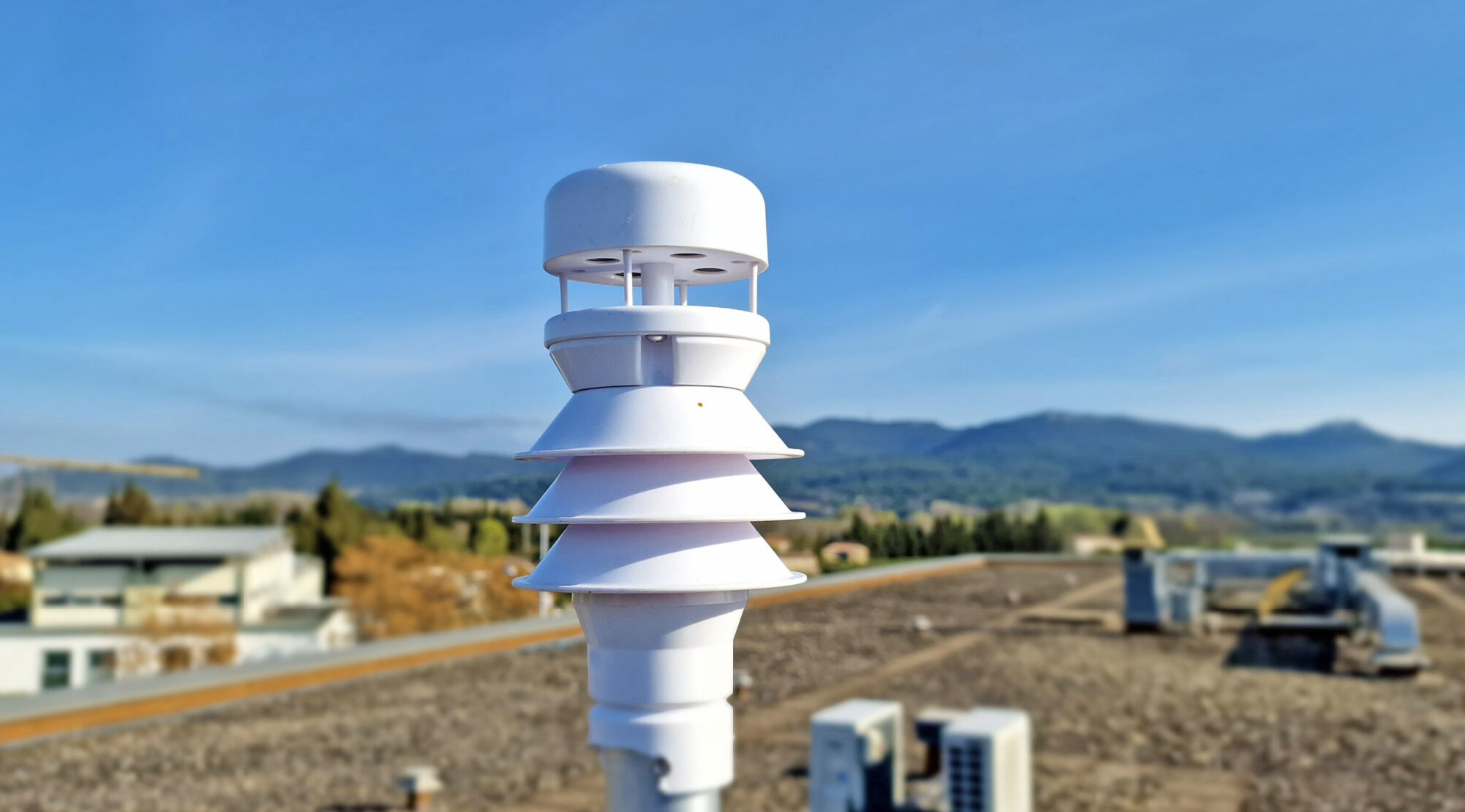
Pollen count measures the concentration of pollen grains per cubic meter of air, reported as PPMs by automated monitoring sensors. When pollen counts are high, allergy sufferers typically experience symptoms including sneezing, runny nose, itchy eyes, congestion, and difficulty breathing. Those with asthma or COPD may face exacerbated respiratory symptoms during peak pollen periods.
Key Pollen Types and Allergen Trends in Scottsdale
Scottsdale regularly ranks among the top 100 most challenging cities for allergies in the United States, according to the Asthma & Allergy Foundation of America. A 2011 Quest Diagnostics study even ranked the Phoenix metro area, which includes Scottsdale, as the number one worst city for ragweed allergy nationwide. The most problematic allergens include tree pollen from juniper, palo verde, mesquite, mulberry, and olive trees, Bermuda grass during late spring, and ragweed during fall.
- Ragweed Pollen: Peaks in September and October, with Phoenix ranking as the worst U.S. city for ragweed allergy in 2011 research
- Tree Pollen: Dominates February through April with juniper, palo verde, mesquite, mulberry, and olive as heavy producers
- Bermuda Grass: Most common and problematic grass allergen, peaking May through June across Scottsdale
- Desert Weeds: Russian thistle and other native species bloom nearly year-round due to mild winters and arid conditions
Climate change is expected to lengthen pollen seasons and increase overall pollen counts, with warmer winters already extending growing periods for many allergenic plants. Additionally, Scottsdale's urban landscaping choices, featuring high-pollen ornamental trees like mesquite and olive, combined with constant dust from construction and dry winds, intensify allergen exposure throughout the metro area.
Seasonal Pollen Patterns in Scottsdale
Scottsdale experiences distinct seasonal pollen patterns, with spring and fall being the most challenging periods for allergy sufferers.
- Winter (December to February): Juniper and cedar trees produce pollen during late fall through winter, though overall pollen counts are at their lowest
- Spring (March to May): Peak allergy season with the highest pollen counts, dominated by tree pollen from palo verde, mesquite, mulberry, pine, oak, and cedar
- Summer (June to August): Bermuda grass peaks in May and June, followed by a brief respite as extreme heat suppresses some pollen production
- Fall (September to November): Ragweed reaches peak levels in September and October, creating a secondary allergy season before tapering off in late November
Accessing Daily Pollen Data in Scottsdale
The Pollen Count & Alerts App provides real-time pollen monitoring specifically for Scottsdale, tracking tree, grass, weed, and mold spore levels throughout the day. With customized alerts and accurate forecasts, you can plan outdoor activities during low-pollen times and take preventive measures when counts are high. Download the app today to stay informed about daily pollen conditions in your area.
Effective Allergy Management Strategies for Scottsdale Residents
Managing pollen allergies in Scottsdale's challenging desert environment requires a combination of monitoring, prevention, and treatment strategies.
- Use the Pollen Count & Alerts App: Monitor real-time pollen levels and receive alerts to plan outdoor activities during low-pollen times, especially avoiding mornings when counts peak
- Improve Indoor Air Quality: Keep windows closed during high-pollen periods, use air conditioning with clean filters, and reduce indoor allergen exposure
- Practice Personal Hygiene: Shower and wash hair before bed to remove pollen, change clothes after outdoor activities, and rinse nasal passages with saline solution
- Install HEPA Air Purifiers: Use high-efficiency particulate air filters in bedrooms and living areas to capture airborne pollen and other allergens
- Consult an Allergist: Seek professional care from local specialists such as Arizona Asthma and Allergy Institute or Scottsdale Sinus & Allergy for testing and treatment options
App Features to Enhance Your Allergy Management
The Pollen Count & Alerts App offers comprehensive tools designed to help Scottsdale residents track and manage their pollen allergies effectively.
- Real-Time Pollen Counts: Access the latest pollen data specific to Scottsdale, updated throughout the day for accurate monitoring
- Customized Alerts: Receive notifications when pollen levels reach thresholds that trigger your specific allergy symptoms
- Accurate Forecasts: Plan your week with reliable pollen forecasts based on local climate data and vegetation patterns
- Educational Content: Learn about specific allergens in the Scottsdale area, including ragweed, Bermuda grass, juniper, and desert plants
- Intuitive Design: Navigate easily through pollen data, forecasts, and management tips with a user-friendly interface optimized for daily use


Learn More About Managing Your Allergies
- Understanding Allergy Pollen Counts: Your Comprehensive Guide – Discover how to interpret pollen count levels and develop effective strategies for minimizing allergy symptoms throughout the year.
- Why Are My Allergies So Bad Right Now? | Pollen Count & Alerts App Blog – Explore the reasons why your allergy symptoms may suddenly intensify, including climate factors, new allergen exposure, and environmental changes.
- Do Allergies Get Worse as You Age? | Pollen Count & Alerts App Blog – Understand how your body's response to allergens evolves over time and what to expect as you age.
Stay informed with expert advice and seasonal updates by visiting the Alert Pollen Blog.
Pollen count in nearby cities
FAQ
When is pollen season in Scottsdale, AZ?
Pollen season in Scottsdale occurs nearly year-round due to the desert climate, but peak allergy months are March through May when tree pollen from Palo Verde, Mesquite, Mulberry, and Juniper reaches its highest levels. A secondary peak occurs in September and October when Ragweed dominates, while Bermuda Grass peaks in May and June. Winter months (December through February) typically bring the lowest pollen counts, though Juniper and Cedar continue pollinating.
What are the most common allergens in Scottsdale, AZ?
The most common allergens in Scottsdale include tree pollen from Juniper, Palo Verde, Mesquite, Mulberry, and Olive trees, which peak from February through April. Bermuda Grass is the most problematic grass allergen, peaking in May and June, while Ragweed is the dominant weed allergen with its peak in September and October. Russian Thistle (Tumbleweed) and Pigweed are also significant desert allergens that can bloom nearly year-round in the arid climate.
How can I protect myself from pollen in Scottsdale's dry, windy climate?
In Scottsdale's arid environment where pollen travels for miles, check daily pollen counts using the Pollen Count & Alerts App before planning outdoor activities, and schedule exercise for late afternoon or evening when counts are lower. Keep windows closed during high pollen days, use air conditioning with HEPA filters, and shower after being outdoors to remove pollen particles that cling to skin and hair in the dry air. The app's personalized alerts help you avoid peak pollen times for the specific allergens that affect you most.
Final Thoughts
Living in Scottsdale means facing pollen challenges nearly year-round, especially during the intense spring tree pollen season and fall ragweed peak. However, with accurate information about local allergen patterns and the right tools, you can take control of your allergy management. The Pollen Count & Alerts App provides the localized, real-time data you need to plan your days and protect your health in the desert climate.
Download the Pollen Count & Alerts App today to receive personalized alerts for Scottsdale's unique pollen patterns and breathe easier all year long.
Take Control of Your Allergies Today
The Pollen Count & Alerts App delivers real-time pollen counts specific to Scottsdale, personalized alerts for your individual allergen triggers, and comprehensive forecasts to help you plan ahead. Stop letting pollen control your life—download the app now and enjoy the Scottsdale outdoors with confidence, whether you're hiking the McDowell Sonoran Preserve or simply enjoying your backyard.