Sandy, Utah sits in the Salt Lake Valley between the Wasatch Mountains and Oquirrh Range, creating a natural basin that traps pollen and allergens. The city experiences one of the longest allergy seasons in the United States, spanning from February through November, with particularly high concentrations due to atmospheric inversions and the hot, dry desert climate. This guide covers Sandy's main pollen types, seasonal patterns, health impacts, and how to effectively manage allergies using real-time monitoring tools.
Understanding Pollen Count in Sandy, Utah
Pollen count measures the number of pollen grains per cubic meter of air, indicating the concentration of airborne allergens. When pollen counts are high, allergy sufferers often experience sneezing, itchy or watery eyes, runny or stuffy nose, coughing, and respiratory discomfort. Sandy's unique geographic basin and atmospheric inversions frequently trap pollen, causing allergen levels to recirculate and intensify, making allergic reactions feel significantly more severe than in other regions.
Key Pollen Types and Recent Trends in Sandy
Sandy residents face exposure to a wide variety of allergenic plants throughout most of the year, with 2026 expected to be particularly severe. Allergists warn that the warm, dry winter Utah experienced points to pollen levels being worse than usual this year, and Utah ranks as one of the worst states for allergies in 2026. The city's diverse vegetation and valley trapping effect create exceptionally high concentrations across three main allergen categories.
- Tree Pollen: Juniper, cedar, cottonwood, box elder, ash, oak, and birch dominate from February through May, with current conditions rated as extremely high
- Grass Pollen: Orchard grass, timothy grass, bermuda grass, and rye grass peak from June through July, overlapping with late tree pollen in May
- Weed Pollen: Ragweed and sagebrush are major fall allergens from July until the first hard frost, typically continuing through November
The Salt Lake Valley's atmospheric inversions create a unique phenomenon where the same weather patterns that trap winter pollution also trap pollen and allergens, causing them to recirculate rather than disperse. Extended warm periods and longer springs are lengthening the overall pollen season, with the valley's mountain surroundings preventing allergens from escaping the basin. This geographic trapping effect combined with really dry and windy conditions causes airborne allergens to remain suspended and recirculating for extended periods.
Seasonal Pollen Patterns in Sandy
Sandy's nine-month allergy season progresses through distinct pollen types as the year advances.
- Winter to Spring (February to May): Tree pollen dominates with juniper and cedar starting in February, followed by cottonwood, box elder, ash, oak, birch, elm, and mulberry
- Late Spring to Summer (May to July): Grass pollen peaks in June and July with orchard grass, timothy grass, bermuda grass, and rye grass, overlapping with late tree pollen in May
- Summer to Fall (July to November): Weed pollen from ragweed, sagebrush, pigweed, tumbleweed, and cocklebur continues until the first hard frost in late October or November
- Year-Round Considerations: Atmospheric inversions can trap allergens during any season, intensifying pollen concentrations and prolonging exposure periods throughout the valley
Access Daily Pollen Data for Sandy
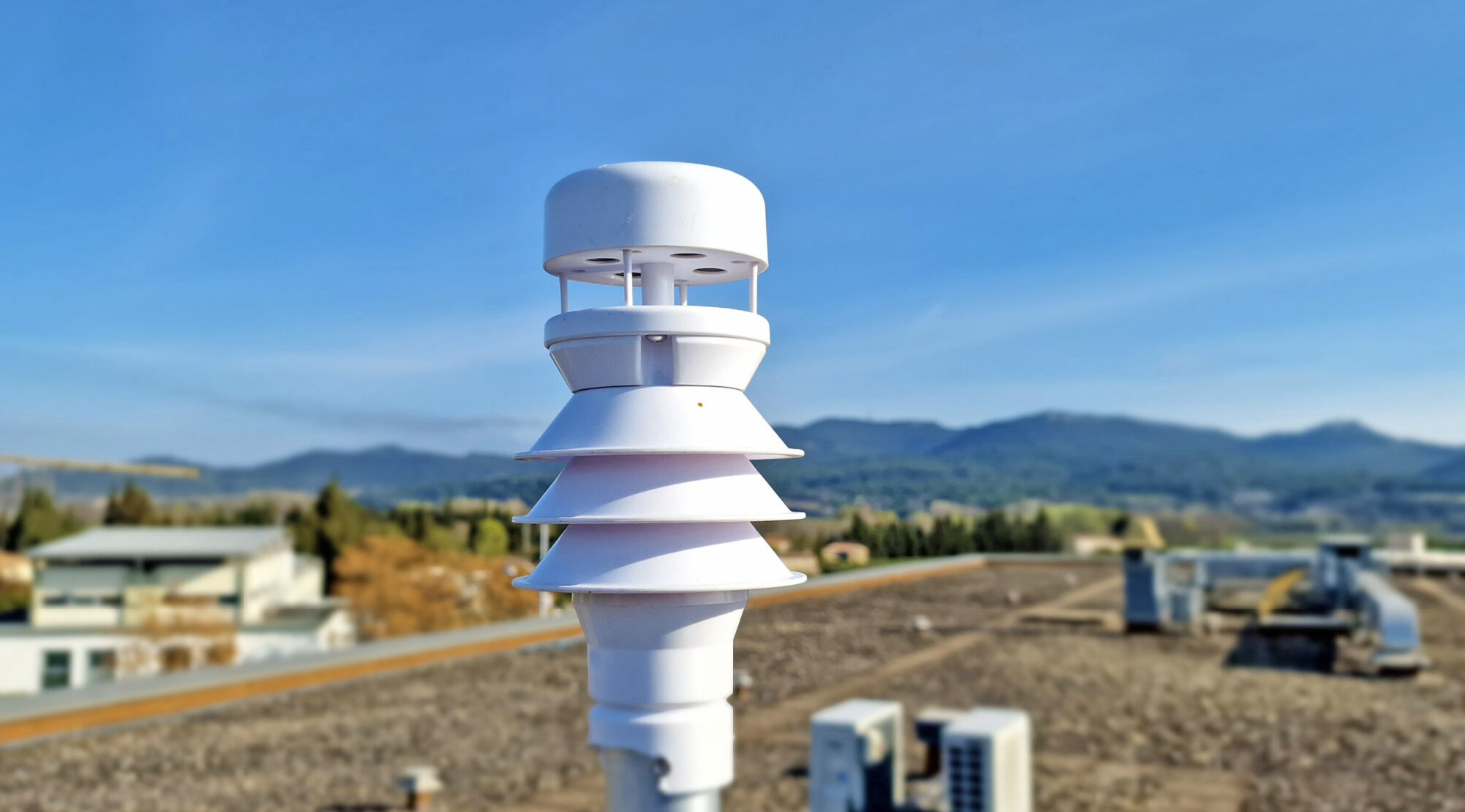
The Pollen Count & Alerts App provides real-time pollen monitoring specifically for Sandy, Utah, leveraging data from the Pollen Sense network's automated sensor located in the city. Track hourly updates for tree, grass, weed, and mold spore counts to plan your outdoor activities during low-pollen times. With accurate, location-specific data and customized alerts, you can stay informed about allergen levels before symptoms start.
Effective Allergy Management Strategies for Sandy Residents
Managing allergies in Sandy's challenging environment requires proactive strategies and consistent monitoring.
- Use the Pollen Count & Alerts App: Monitor real-time pollen levels from Sandy's local sensor and receive alerts to plan outdoor activities during low-pollen times
- Improve Indoor Air Quality: Keep windows closed during high pollen periods, especially during atmospheric inversions when allergens are trapped and recirculating in the valley
- Practice Personal Hygiene: Shower and change clothes after spending time outdoors to remove pollen from your skin and hair, and wash bedding frequently
- Install HEPA Air Purifiers: Use high-efficiency particulate air filters in your home to capture pollen particles and reduce indoor allergen concentrations
- Consult an Allergist: Visit specialists such as Allergy Associates of Utah in Sandy for personalized testing, treatment plans, and immunotherapy options
Enhance Your Allergy Management with Pollen Count & Alerts App
The Pollen Count & Alerts App offers comprehensive features designed specifically to help Sandy residents navigate the city's extended and intense allergy season.
- Real-Time Pollen Counts: Access the latest pollen data from Sandy's Pollen Sense sensor with hourly updates for trees, grasses, weeds, and mold spores
- Customized Alerts: Receive notifications when pollen levels spike or atmospheric inversions trap allergens in the Salt Lake Valley
- Accurate Forecasts: View detailed forecasts to anticipate high pollen days and plan outdoor activities accordingly
- Educational Content: Learn about specific allergens like ragweed, sagebrush, juniper, and cottonwood that affect Sandy throughout the year
- Intuitive Design: Navigate easily through clean, user-friendly interfaces to quickly find the pollen information you need


Explore More on Managing Seasonal Allergies
- Understanding Allergy Pollen Counts: Your Comprehensive Guide – Learn how to interpret pollen count levels and develop effective strategies to minimize your exposure during peak allergy seasons.
- Why Are My Allergies So Bad Right Now? | Pollen Count & Alerts App Blog – Discover the factors that can cause your allergies to suddenly intensify, including environmental changes and lifestyle triggers.
- Do Allergies Get Worse as You Age? | Pollen Count & Alerts App Blog – Understand how your body's response to allergens evolves throughout your lifetime and what to expect as you age.
Stay updated with the latest tips and insights by visiting the Alert Pollen Blog.
Pollen count in nearby cities
FAQ
When is pollen season in Sandy, UT?
Pollen season in Sandy, Utah runs for approximately nine months, from February through the first hard frost in late October or November. Tree pollen dominates from February to May, with juniper and cedar starting as early as February. Grass pollen peaks from May through July, overlapping with late tree pollen in May, while weed pollen takes over from July until the first hard frost, typically in November.
What are the most common allergens in Sandy, UT?
The most common allergens in Sandy include box elder, cottonwood, ash, juniper, and oak trees during spring (February-May). Grass allergens like orchard grass, timothy grass, and Kentucky bluegrass peak from June to July. Fall brings high levels of ragweed and sagebrush, which remain active from July until the first hard frost in November. Sandy's unique geographic location in the Salt Lake Valley creates a natural bowl that traps these allergens, often making symptoms more severe during atmospheric inversions.
How can I protect myself from pollen in Sandy's unique valley environment?
Given Sandy's geography that traps pollen in the valley, monitor real-time pollen counts through the Pollen Count & Alerts App, which uses local sensors including one right in Sandy. Stay indoors during peak pollen hours (typically morning and windy days), especially during atmospheric inversions when allergens recirculate rather than disperse. Keep windows closed, use air purifiers with HEPA filters, and shower after outdoor activities to remove pollen from your hair and skin.
Final Thoughts
Living in Sandy, Utah means facing one of the longest and most challenging allergy seasons in the United States, with pollen present from February through November. However, being informed about which allergens are active each season and understanding how Sandy's unique valley geography affects pollen concentration empowers you to take control of your health. The Pollen Count & Alerts App provides the real-time, localized data you need to navigate Sandy's complex allergy landscape with confidence.
Don't let pollen control your life in Sandy. Download the Pollen Count & Alerts App today to receive personalized alerts based on your specific sensitivities and plan your days around accurate, hyperlocal pollen forecasts.
Take Control of Your Allergies Today
The Pollen Count & Alerts App delivers real-time pollen counts from Sandy's local monitoring network, personalized alerts tailored to your specific allergen sensitivities, and comprehensive forecasts to help you plan ahead. With data from sensors located right in Sandy and throughout the Salt Lake Valley, you'll have the most accurate information to manage your allergies effectively. Download the app now and breathe easier all year long.