Salem, Oregon sits in the heart of the fertile Willamette Valley, where a temperate climate with mild, wet winters and warm, dry summers creates ideal conditions for plant growth. This agricultural region is home to approximately 500,000 acres of commercial grass seed production, earning it the title "Grass Seed Capital of the World" and making Salem one of the most challenging cities in the United States for allergy sufferers. This guide will help you understand Salem's unique pollen landscape, identify peak allergy seasons, and provide strategies to manage symptoms throughout the year.
Understanding Pollen Count in Salem
Pollen count measures the concentration of pollen grains per cubic meter of air, with readings above 200 parts per cubic meter (PPM) considered very high. During Salem's peak grass pollen season, counts regularly exceed 750 PPM and have been recorded above 950 PPM, ranking among the highest in the world. When pollen levels are elevated, allergy sufferers may experience sneezing, itchy and watery eyes, nasal congestion, respiratory difficulties, and increased symptom severity.
Salem's Key Pollen Types and Recent Trends
Salem experiences three distinct pollen seasons, with grass pollen presenting the most severe challenge due to the region's extensive commercial grass seed farming. Recent years have seen pollen counts reaching extreme levels, with grass pollen exceeding 950 PPM during peak season and cities throughout the Willamette Valley ranking among the worst in the nation for allergy sufferers.
- Tree Pollen: Peaks from March through April with oak, maple, ash, cottonwood, and poplar producing high concentrations following early-season hazelnut, alder, and birch
- Grass Pollen: Dominates late May through July with ryegrass, bentgrass, Timothy grass, and orchard grass from 500,000 acres of commercial seed production creating world-record counts exceeding 950 PPM
- Weed Pollen: Surges in September with ragweed, sagebrush, and pigweed producing high concentrations from late August through the first frost
Climate change is intensifying Salem's allergy challenges, with higher CO2 levels causing plants to produce more pollen, seasons starting earlier, and allergy symptoms becoming more severe. The combination of commercial agriculture, urbanization redirecting wind patterns, and valley geography trapping airborne pollen creates exceptionally high concentrations compared to most other U.S. cities.
Seasonal Pollen Patterns in Salem
Each season brings distinct pollen challenges to Salem throughout the year.
- Spring (March to May): Tree pollen dominates with oak, maple, ash, and cottonwood reaching high levels in March and April, followed by the start of grass pollen season in late May
- Summer (June to August): Grass pollen peaks at extreme levels from late May through July with counts above 750 PPM, gradually declining through August as weed pollen begins
- Fall (September to November): Weed pollen from ragweed and sagebrush reaches high levels in September, moderating through October and ending with the first frost in November
- Winter (December to February): Tree pollen begins with hazelnut, juniper, cypress, and spruce in January, followed by alder, birch, and elm in February at low to moderate levels
Access Daily Pollen Data for Salem
The Pollen Count & Alerts App provides Salem residents with real-time pollen monitoring specific to the Willamette Valley. Track daily concentrations of tree, grass, and weed pollen, plus mold spores, with localized forecasts that help you plan outdoor activities during low-pollen periods. Receive customized alerts when pollen levels rise, allowing you to take preventive measures before symptoms begin.
Effective Allergy Management Strategies for Salem
These proven strategies can help reduce your exposure to Salem's exceptionally high pollen levels.
- Use the Pollen Count & Alerts App: Monitor real-time pollen levels and receive alerts to plan outdoor activities during low-pollen times, especially avoiding midday and early afternoon when counts peak
- Improve Indoor Air Quality: Keep windows closed during high pollen days, particularly during grass pollen season from late May through July when counts exceed 750 PPM
- Practice Good Personal Hygiene: Shower and change clothes after outdoor activities to remove pollen from hair and skin, preventing nighttime symptoms and indoor contamination
- Install HEPA Air Purifiers: Use high-efficiency particulate air filters in bedrooms and main living areas to capture pollen particles and reduce indoor allergen concentrations
- Consult an Allergist: Seek professional evaluation for severe symptoms, as approximately 20% of the population has true grass pollen allergies and may benefit from prescription treatments or immunotherapy
App Features to Enhance Your Allergy Management
The Pollen Count & Alerts App offers comprehensive tools designed specifically for managing allergies in high-pollen regions like Salem.
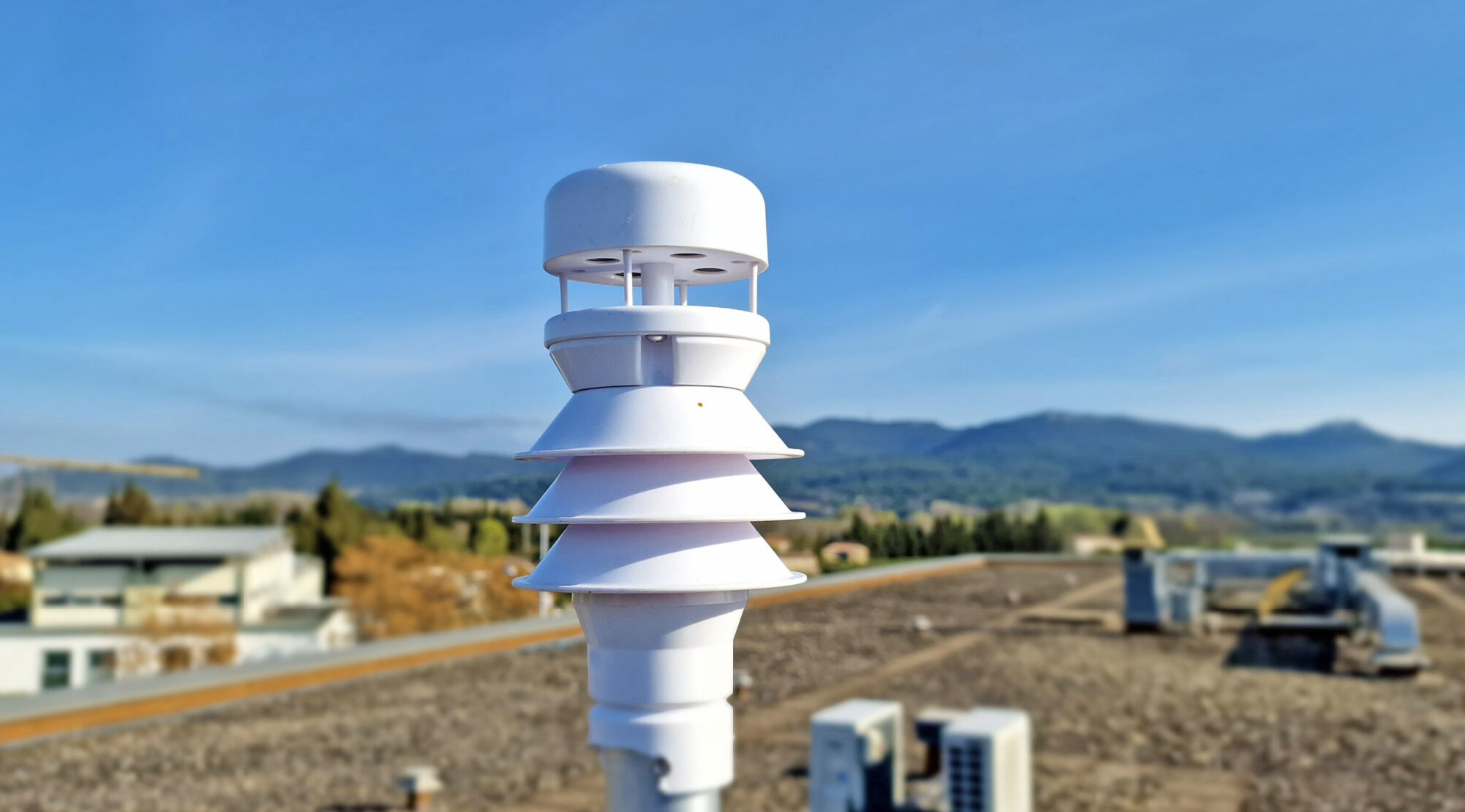
- Real-Time Pollen Counts: Access the latest pollen data specific to Salem and the Willamette Valley with automated particulate sensors using neural network algorithms
- Customized Alerts: Receive personalized notifications when pollen levels rise for the specific allergens that affect you most, including grass, tree, and weed pollen
- Accurate Forecasts: Plan your week with detailed pollen predictions based on local weather patterns, agricultural activity, and seasonal trends unique to the Willamette Valley
- Educational Content: Learn about Salem's unique pollen landscape, including the impact of commercial grass seed production and strategies for managing world-record pollen counts
- Intuitive Design: Navigate easily through current conditions, forecasts, and historical trends with a user-friendly interface designed for quick daily reference


Learn More About Managing Your Allergies
- Understanding Allergy Pollen Counts: Your Comprehensive Guide – Discover how to interpret pollen count levels and develop personalized strategies to minimize your exposure during high-pollen days.
- Why Are My Allergies So Bad Right Now? | Pollen Count & Alerts App Blog – Understand the factors that can cause sudden increases in allergy severity, including climate change and environmental triggers.
- Do Allergies Get Worse as You Age? | Pollen Count & Alerts App Blog – Explore how seasonal allergies evolve throughout different life stages and what you can do to adapt your management approach.
Stay informed with expert advice and seasonal updates by visiting the Alert Pollen Blog.
Pollen count in nearby cities
FAQ
When is pollen season in Salem, OR?
Pollen season in Salem runs nearly year-round, with tree pollen dominating from January through April (peaking in March-April), grass pollen from late April through July (with extreme levels in June), and weed pollen from late August until the first frost in fall. The most severe allergy periods occur in March-April, June, and September, when pollen counts can reach exceptionally high levels due to Salem's location in the Willamette Valley.
What are the most common allergens in Salem, OR?
The most significant allergens in Salem include tree pollen from oak, maple, ash, alder, and birch (January-April), grass pollen from ryegrass, bentgrass, Timothy grass, and orchard grass (April-July), and weed pollen from ragweed and sagebrush (August-November). Grass pollen is particularly severe in Salem due to the Willamette Valley's 500,000 acres of commercial grass seed production, which creates some of the highest pollen counts recorded anywhere in the world—often exceeding 950 parts per cubic meter during peak season in late May through early July.
How can I protect myself from Salem's extreme pollen levels?
Monitor daily pollen forecasts using the Pollen Count & Alerts App and stay indoors during peak pollen hours (midday and early afternoon), especially during June when grass pollen counts reach extreme levels. Consider using over-the-counter antihistamines, nasal sprays, and eye drops preventatively during high pollen periods, and consult with local allergists at facilities like Willamette ENT or Salem Health for prescription treatments if symptoms become severe.
Take Control of Your Allergies in Salem
Living in Salem, Oregon means facing some of the most challenging pollen conditions in the United States, especially during grass pollen season when the Willamette Valley's commercial grass seed production creates record-breaking counts. However, armed with accurate information about local pollen patterns and the right tools like the Pollen Count & Alerts App, you can anticipate high-pollen days and take proactive steps to minimize your symptoms.
Download the Pollen Count & Alerts App today to receive Salem-specific pollen forecasts and personalized alerts that help you stay one step ahead of allergy season.
Start Breathing Easier Today
The Pollen Count & Alerts App delivers real-time pollen counts specific to Salem, personalized alerts based on your allergen sensitivities, and comprehensive forecasts that help you plan your days around pollen levels. Whether you're managing tree, grass, or weed allergies, our app provides the localized data you need to take control of your symptoms and enjoy life in the Willamette Valley.