Round Rock, Texas sits at the intersection of the Hill Country and Blackland Prairie along the Balcones Escarpment, creating one of the most challenging pollen environments in the United States. The city's temperate climate enables year-round allergen exposure, with infamous cedar fever outbreaks producing counts exceeding 20,000 grains per cubic meter during winter months. This guide covers Round Rock's pollen types, seasonal patterns, monitoring resources, and strategies to manage allergies effectively throughout the year.
Understanding Pollen Count in Round Rock
Pollen count measures the number of pollen grains per cubic meter of air, with levels above 1,500 considered very high for most allergen types. Round Rock routinely experiences extreme counts, particularly during cedar fever season when readings can spike from zero to over 20,000 grains overnight following cold fronts. Common symptoms during high pollen periods include severe sinus pressure, heavy nasal congestion, persistent cough, fatigue, watery eyes, and body aches that often mimic influenza.
Key Pollen Types and Allergen Trends in Round Rock
Round Rock's location west of I-35 near dense Ashe juniper woodlands creates intense exposure to multiple allergen species throughout the year. Mountain cedar dominates the winter season as the region's most notorious allergen, while live oak, Bermuda grass, and ragweed create successive seasonal waves. The city's extensive park system covering over 2,270 acres and maintained athletic complexes contribute to prolonged grass pollen exposure from March through September.
- Mountain Cedar (Ashe Juniper): Produces extreme pollen counts of 3,000-10,000 grains per cubic meter routinely, with peak events exceeding 20,000 during December through February
- Live Oak: Generates massive pollen loads immediately following cedar season in late March through early April, creating a seamless transition with no relief period
- Bermuda Grass: Dominates the summer allergen landscape from March through September, peaking in May and June across Round Rock's extensive sports fields and residential lawns
- Ragweed: Becomes the primary fall allergen from mid-August through mid-November, with peak counts occurring in October before frost-kill provides brief relief
Round Rock's position on the Balcones Escarpment where multiple ecosystems converge intensifies allergen diversity and concentration. The convergence of Hill Country cedar forests, prairie grasses, and urban landscaping creates year-round exposure with only a brief 2-3 week respite in late November before the cycle begins again with cedar fever season.
Seasonal Pollen Patterns in Round Rock
Round Rock experiences distinct seasonal allergen patterns with minimal gaps between peak pollen periods:
- Winter (December to February): Dominated by mountain cedar fever with counts routinely exceeding 10,000 grains per cubic meter, triggering the region's most severe allergy symptoms
- Spring (March to May): Characterized by sequential waves of live oak, elm, ash, pecan, and cottonwood tree pollen, with Bermuda grass beginning its extended season in March
- Summer (June to August): Bermuda grass reaches peak concentrations during May and June, continuing moderate levels through September with mold spikes following thunderstorms
- Fall (September to November): Ragweed becomes the primary allergen from mid-August through mid-November, with mugwort and pigweed contributing to peak October counts
Access Daily Pollen Data for Round Rock
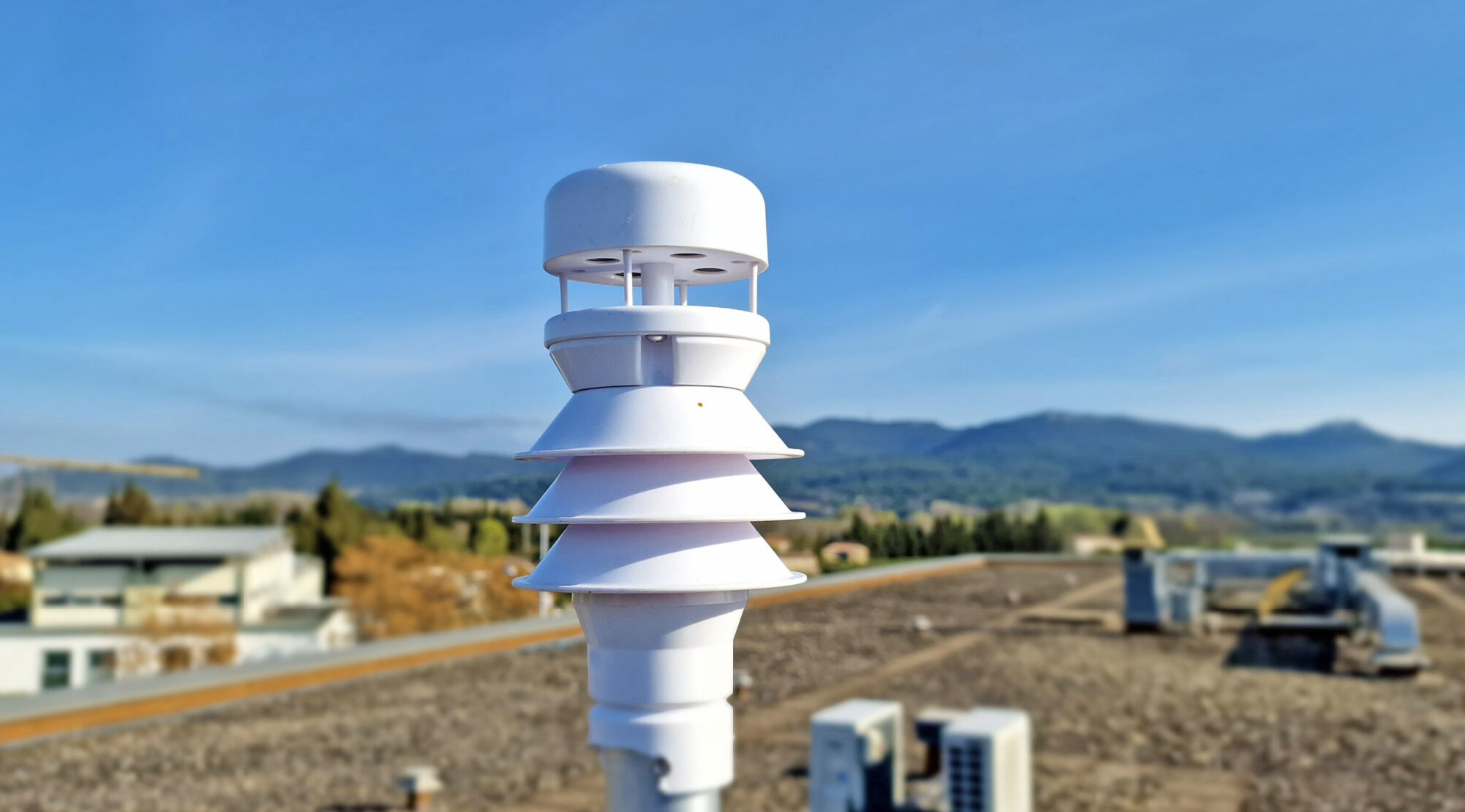
The Pollen Count & Alerts App provides real-time pollen monitoring specifically for Round Rock, tracking tree, grass, weed, and mold spore levels throughout the day. With data sourced from the NAB-certified monitoring station at the Allergy & Asthma Center of Georgetown and automated Pollen Sense neural network sensors, you receive accurate local counts rather than regional estimates. Stay informed with personalized alerts when pollen levels spike, helping you plan outdoor activities during lower-exposure windows.
Effective Allergy Management Strategies for Round Rock Residents
Managing allergies in Round Rock requires proactive monitoring and strategic lifestyle adjustments during peak pollen seasons:
- Use the Pollen Count & Alerts App: Monitor real-time pollen levels and receive personalized alerts to plan outdoor activities during low-pollen times and avoid peak exposure hours
- Maintain Indoor Air Quality: Keep windows closed during high pollen days, especially after cold fronts that trigger massive cedar pollen releases, and run air conditioning with clean filters
- Practice Personal Hygiene: Shower and change clothes after outdoor exposure to remove pollen from hair and skin, and avoid bringing allergens into sleeping areas
- Deploy HEPA Air Purifiers: Use high-efficiency particulate air filters in bedrooms and main living areas to continuously remove airborne pollen and reduce overnight symptom intensity
- Consult a Board-Certified Allergist: Seek professional evaluation for immunotherapy or targeted medication strategies, particularly if experiencing the extended 6-month cedar-to-oak allergy season
App Features to Enhance Your Allergy Management
The Pollen Count & Alerts App offers comprehensive tools designed specifically for managing allergies in high-pollen regions like Round Rock:
- Real-Time Pollen Counts: Access the latest pollen data specific to Round Rock from NAB-certified stations and automated neural network sensors measuring actual local conditions
- Customized Pollen Alerts: Receive personalized notifications when cedar, oak, grass, or ragweed levels spike in your area, enabling proactive symptom management
- Accurate 5-Day Forecasts: Plan your week with detailed pollen predictions accounting for Round Rock's unique geography and seasonal patterns along the Balcones Escarpment
- Educational Allergy Content: Learn about specific allergen species affecting Round Rock, including mountain cedar biology, peak timing, and evidence-based management strategies
- Intuitive User Interface: Navigate seamlessly between current conditions, forecasts, and historical trends with a clean design optimized for quick daily reference


Explore More on Managing Seasonal Allergies
- Understanding Allergy Pollen Counts: Your Comprehensive Guide – Learn how to interpret pollen count levels and develop effective strategies to minimize your allergy symptoms throughout the year.
- Why Are My Allergies So Bad Right Now? | Pollen Count & Alerts App Blog – Discover the common reasons why your allergy symptoms may suddenly intensify and what environmental factors contribute to these changes.
- Do Allergies Get Worse as You Age? | Pollen Count & Alerts App Blog – Understand how your body's response to allergens evolves over time and why you may develop new sensitivities as you age.
Stay updated with the latest tips and insights by visiting the Alert Pollen Blog.
Pollen count in nearby cities
FAQ
When is pollen season in Round Rock, TX?
Round Rock experiences nearly year-round pollen challenges with distinct peak periods. The most intense season is "cedar fever" from December through February when mountain cedar (Ashe juniper) produces extreme pollen counts often exceeding 20,000 grains/m³. This is immediately followed by tree pollen season in March-May (oak, elm, ash), summer grass pollen from June-August (Bermuda grass), and fall ragweed from September-November, leaving only a brief 2-3 week relief window in late November.
What are the most common allergens in Round Rock, TX?
The most notorious allergen in Round Rock is mountain cedar (Ashe juniper), which causes severe "cedar fever" from December to February with some of the highest pollen counts in the nation. Other major allergens include live oak (late March-April), elm and ash (March-April), Bermuda grass (March-September with peaks in May-June), and ragweed (August-November with October peaks). Round Rock's location on the Balcones Escarpment where Hill Country meets Blackland Prairie creates intense exposure to multiple ecosystem allergens simultaneously.
How can I protect myself from Round Rock's intense cedar fever season?
Monitor daily pollen counts through the Pollen Count & Alerts App, especially during December-February when cold fronts can trigger overnight spikes from near-zero to 20,000+ grains/m³. Stay indoors on high-count days (particularly mornings), use HEPA filters in your home, and shower before bed to remove pollen from hair and skin. Many Round Rock residents require continuous allergy management from December through May due to the cedar-to-oak seasonal handoff with virtually no gap between peak periods.
Final Thoughts
Living in Round Rock means facing one of the most challenging pollen environments in the United States, particularly during the notorious cedar fever season. However, with accurate information about local allergen patterns and real-time monitoring through the Pollen Count & Alerts App, you can take control of your allergy management and maintain your quality of life year-round.
Don't let Round Rock's intense pollen seasons catch you off guard. Download the Pollen Count & Alerts App today to receive personalized alerts and stay ahead of pollen spikes before symptoms begin.
Take Control of Your Allergies Today
The Pollen Count & Alerts App provides real-time pollen counts specific to Round Rock, personalized alerts based on your sensitivities, and comprehensive forecasts so you can plan your days around pollen levels. Whether you're managing cedar fever in winter or ragweed in fall, our app gives you the information you need to breathe easier. Download now and experience the difference that accurate, localized pollen data can make in your daily life.