Rockhampton sits on the Tropic of Capricorn in Queensland, with warm conditions and a wet season generally running from December to March. Warm-season grasses are likely its main pollen burden, while widespread parthenium weed adds a documented regional concern. She-oaks also provide potential tree-pollen exposure. This guide explains likely seasonal patterns, the limits of local pollen data, and practical ways to manage allergies.
Understanding Pollen Counts in Rockhampton
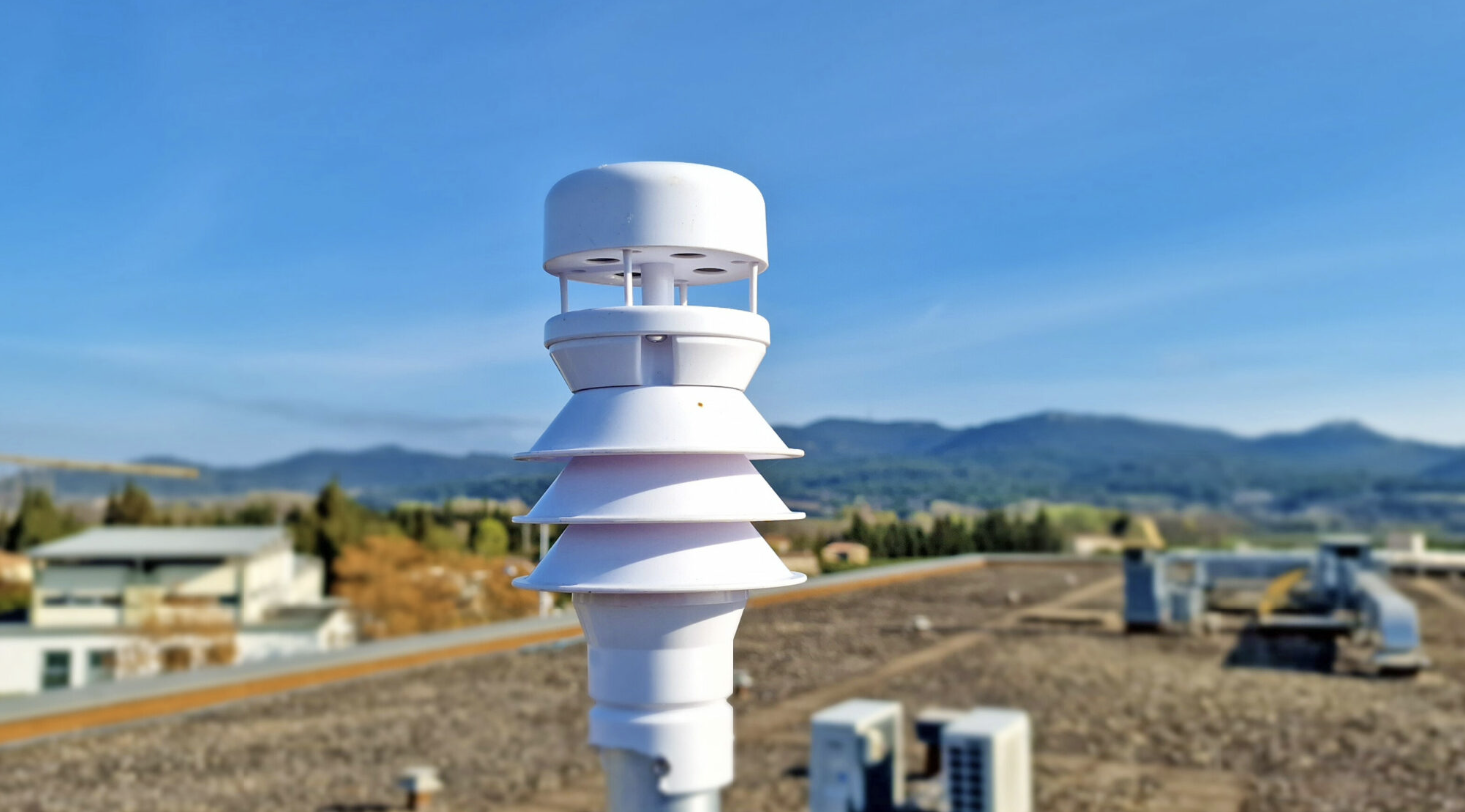
A pollen count measures the concentration of airborne pollen, usually expressed as grains per cubic metre of air and obtained by collecting and identifying particles with sampling equipment. Higher exposure can cause sneezing, a runny or blocked nose, itchy eyes, and asthma symptoms in people allergic to the pollen present. No publicly reporting Rockhampton pollen-counting station was verified in the supplied research, so forecasts should be distinguished from local measurements.
Key Pollen Sources Around Rockhampton
Research checked on 23 October 2026 identifies warm-season grasses and parthenium as important potential exposure sources around Rockhampton. Regional allergy guidance places northern coastal subtropical grass flowering mainly in January–March, but no long-term measured pollen calendar or annual pollen trend was verified for the city itself.
- Grass Pollen: Couch, Bahia and Johnson grass are recorded locally or regionally. Approximate flowering windows extend from October or November to April, with January–March the strongest regional guide to higher grass-pollen exposure.
- Parthenium Weed: Council identifies parthenium as widespread in the region. It commonly flowers from spring to late autumn, approximately September–May, and can flower in any month under suitable conditions.
- She-oak Pollen: Several she-oak species are recorded in the Rockhampton map area. Central Queensland guidance gives coastal she-oak an April–June flowering window, with sporadic flowering outside those months.
- Annual Ragweed: Queensland guidance places flowering around mid–late March. Its local importance depends on confirmed infestations because widespread establishment in Rockhampton was not verified.
Rainfall can change these windows substantially. Parthenium can flower and set seed within four weeks of summer germination, making rain-driven growth on roadsides, disturbed ground and rural outskirts relevant to exposure planning. Plant records and flowering dates do not establish airborne pollen concentrations.
Rockhampton's Seasonal Pollen Patterns
Use these Southern Hemisphere seasons as approximate exposure guides, since rainfall and local plant growth can shift flowering.
- Summer (December–February): Warm, wet conditions support grass growth and parthenium flowering; January and February fall within the strongest regional grass-flowering window.
- Autumn (March–May): March remains within the regional grass-flowering window, parthenium can continue flowering, and coastal she-oak flowering typically begins in April.
- Winter (June–August): June falls within the reported coastal she-oak flowering window; generally drier conditions may limit grass growth, although suitable moisture can sustain flowering plants.
- Spring (September–November): Parthenium commonly flowers as conditions become suitable, while couch and other warm-season grasses begin their approximate flowering windows during October and November.
Accessing Daily Pollen Information in Rockhampton
Use the Pollen Count & Alerts App to support daily planning with real-time tracking of tree pollen, grass pollen, weed pollen and mold spores where data are available. For Rockhampton, check the coverage, update time and whether information represents a forecast or a measurement, because a publicly reporting local sampling station was not verified.
Practical Ways to Manage Pollen Allergies
Combine exposure awareness with everyday habits and personalised medical advice to manage seasonal symptoms.
- Use the Pollen Count & Alerts App: Check available pollen information and alerts before outdoor activities, taking account of data coverage and update times.
- Improve Indoor Air Quality: Keep windows closed during periods of greater outdoor pollen exposure and avoid bringing freshly cut grass or flowering weeds indoors.
- Maintain Personal Hygiene: Shower and change clothes after time around flowering grasses or weeds, and wash your hands before touching your face.
- Use HEPA Purifiers: Consider a suitably sized HEPA air purifier to help reduce airborne particles indoors, and maintain filters according to the manufacturer's instructions.
- Consult an Allergist: Seek advice about identifying your triggers and choosing suitable treatment, particularly if symptoms persist or pollen affects your asthma.
App Features to Support Your Allergy Planning
The Pollen Count & Alerts App brings available exposure information and planning tools together to support everyday allergy management.
- Real-Time Counts: Check the latest available pollen updates for supported locations, with attention to timestamps and whether values are measured or estimated.
- Customised Alerts: Use available alert settings to focus on the pollen types and exposure levels relevant to your allergies.
- Accurate Forecasts: Use available forecasts to plan ahead, recognising that accuracy depends on local coverage, weather and the underlying data.
- Educational Content: Explore information about pollen sources, seasonal patterns and practical ways to reduce exposure.
- Intuitive Design: View available pollen information and planning features in an easy-to-navigate interface.


Explore More on Managing Seasonal Allergies
- Understanding Allergy Pollen Counts: Your Comprehensive Guide – Learn what pollen counts mean and how to use them alongside practical strategies for managing seasonal allergies.
- Why Are My Allergies So Bad Right Now? | Pollen Count & Alerts App Blog – Discover why allergies can suddenly feel worse, including changes in exposure, weather and personal sensitivity.
- Do Allergies Get Worse as You Age? | Pollen Count & Alerts App Blog – Explore how allergy symptoms can change with age and what those changes may mean for your daily routine.
Stay updated with the latest tips and insights by visiting the Alert Pollen Blog.
Pollen count in nearby cities
FAQ
When is pollen season in Rockhampton?
Rockhampton’s likely main pollen season runs through the warmer months, with January–March the strongest regional guide to higher grass-pollen exposure. Couch grass may flower from October–April, while Bahia and Johnson grasses generally flower around November–April. Parthenium weed commonly flowers from September–May but can flower in any month after suitable rain, while coastal she-oak typically flowers in April–June. These are approximate flowering windows and regional estimates, not measured Rockhampton pollen peaks.
Which pollen allergens are most relevant in Rockhampton?
Likely important grass allergens include couch or Bermuda grass (Cynodon dactylon), Bahia grass (Paspalum notatum) and Johnson grass (Sorghum halepense), with January–March the best-supported regional window for higher grass exposure rather than a confirmed peak for each species. Parthenium weed (Parthenium hysterophorus) is widespread in the region and usually flowers from September–May, with rain-driven flowering possible year-round. Coastal she-oak (Casuarina equisetifolia) generally flowers in April–June; river and swamp she-oaks also occur locally, but their Rockhampton peak months remain unverified. Annual ragweed (Ambrosia artemisiifolia) is a conditional concern where infestations are confirmed, with Queensland flowering guidance pointing to mid–late March.
How can I reduce pollen exposure around Rockhampton?
During the warmer grass-flowering months and after rain-driven weed growth, limit time near flowering lawns, roadside weeds and disturbed ground, and avoid handling parthenium. Keep windows closed when outdoor pollen appears to trigger symptoms, and change clothes after gardening or mowing. Use the Pollen Count & Alerts App to review available forecasts and track symptoms, while checking whether local reports are forecasts or measured counts.
Final Thoughts
Rockhampton’s warm-season grasses, widespread parthenium and local she-oaks can make pollen exposure challenging to anticipate, especially when rainfall changes flowering patterns. Understanding the likely seasonal windows and using the Pollen Count & Alerts App can help you plan outdoor activities with greater awareness, although verified local pollen measurements remain limited.
Download the Pollen Count & Alerts App to make pollen information part of your daily planning and take a more informed approach to seasonal allergies.
Sources
- ASCIA: Pollen Allergy
- Rockhampton Regional Council: Biosecurity Plan
- Biosecurity Queensland: Parthenium
Take Charge of Your Pollen Planning Today
Explore real-time pollen counts, personalized alerts and comprehensive forecasts with the Pollen Count & Alerts App, where coverage is available. For Rockhampton, check the source and update time of each report, as a publicly reporting local pollen-counting station has not been verified.