Richardson, Texas sits in the humid subtropical Blackland Prairie region of North Texas, part of the Dallas-Fort Worth metropolitan area. The city's warm climate, urban development including the 25-million-square-foot Telecom Corridor, and three creek systems create near year-round pollen exposure with minimal relief. Richardson residents face notorious mountain cedar invasions, overlapping oak and grass seasons, and some of the highest ragweed counts in the United States.
Understanding Pollen Count in Richardson
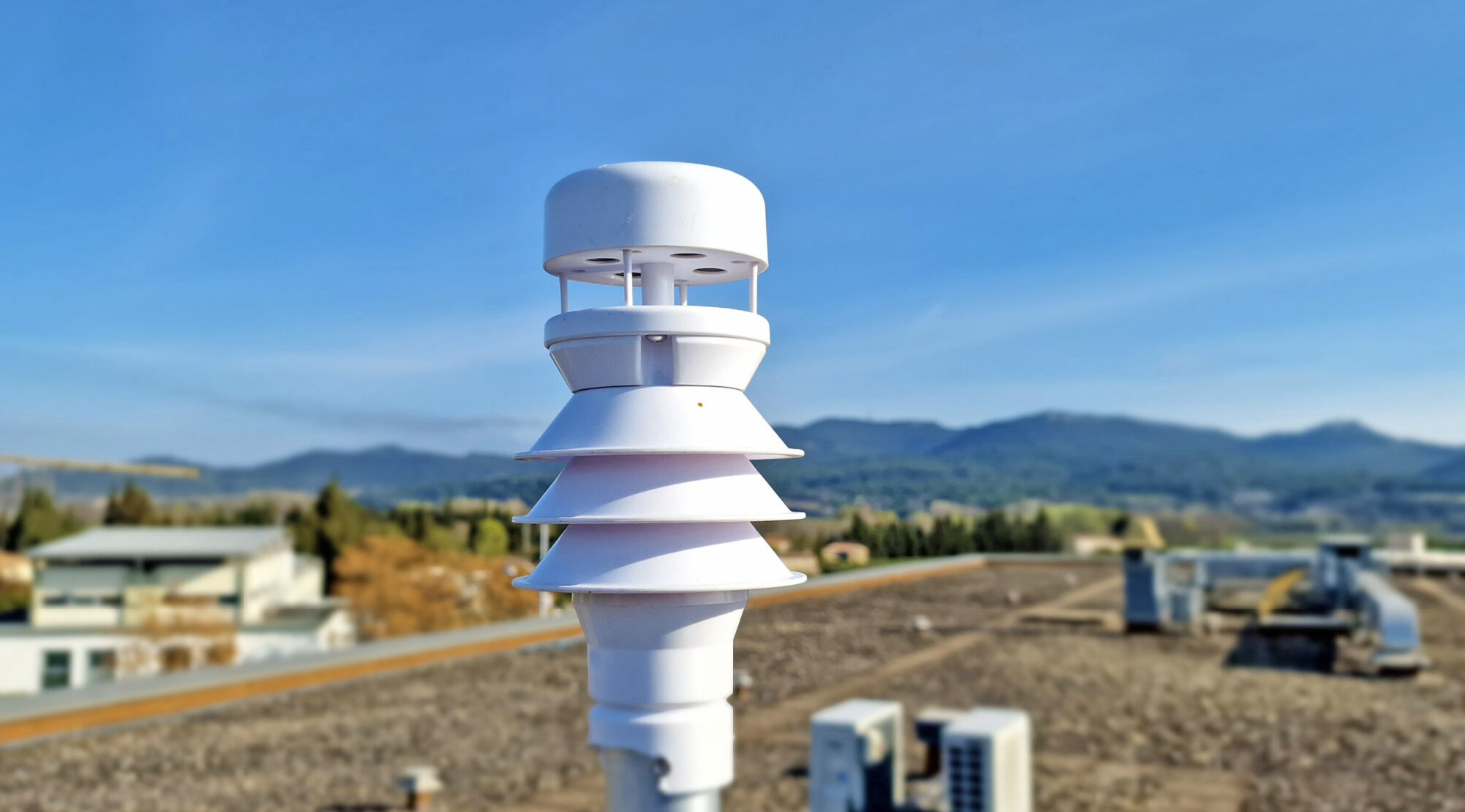
Pollen count measures the concentration of pollen grains per cubic meter of air collected by monitoring stations. When counts are high, sensitive individuals commonly experience sneezing, nasal congestion, itchy eyes, wheezing, chest tightness, and in severe cases like cedar fever, symptoms resembling flu. The National Allergy Bureau stations in Dallas and Flower Mound provide standardized measurements using volumetric spore traps positioned on unobstructed rooftops.
Key Pollen Types and Recent Trends in Richardson
Richardson experiences some of the most challenging pollen conditions in the nation, with the Dallas-Fort Worth region previously ranked as the 2nd worst city for allergy sufferers and currently ranking 64th out of 100 largest U.S. metro areas in the 2026 Allergy Capitals report. The area is particularly notorious for specific allergens that dominate different seasons throughout the year.
- Mountain Cedar Pollen: The most notorious allergen arriving from the Hill Country during winter months, causing severe cedar fever symptoms and considered Richardson's worst allergy period
- Oak Pollen: Multiple species including Post oak, Blackjack oak, Live oak, and Red oak produce massive simultaneous pollen loads from February through May
- Bermuda Grass Pollen: Dominant warm-season turf throughout residential lawns and parks producing continuous exposure for approximately 7 months from April through October
- Ragweed Pollen: Dallas-Fort Worth has among the highest ragweed counts in the United States with the longest season lasting up to 4 months from August through November
Allergy seasons are becoming longer and more intense due to Richardson's urban heat island effect, which increases temperatures by 2°F to 9°F in developed areas and extends pollination periods beyond normal ranges. The city's ongoing construction creates disturbed soils where ragweed thrives, while the warm climate enables grass pollen production for nearly twice as long as typical northern regions.
Seasonal Pollen Patterns in Richardson
Richardson experiences distinct seasonal pollen patterns with overlapping allergen triggers throughout the year.
- Winter (December to February): Mountain cedar dominates as the peak allergen with elm beginning in late January, creating Richardson's worst allergy period
- Spring (February to May): Multiple oak species, pecan, ash, mulberry, and cottonwood pollinate simultaneously creating the most challenging period due to overlapping tree pollen
- Summer (June to August): Bermuda grass peaks in May and June while July provides partial relief before ragweed emerges in August with year-round mold presence
- Fall (September to November): Ragweed dominates as the primary allergen with September being the peak fall month, persisting through the first hard freeze in November
Access Daily Pollen Data in Richardson
The Pollen Count & Alerts App provides Richardson residents with real-time pollen monitoring specific to the Dallas-Fort Worth area. Track daily levels for tree, grass, weed, and mold spores from the National Allergy Bureau certified stations in Dallas and Flower Mound. Receive customized alerts when pollen counts spike so you can plan outdoor activities during low-pollen times and minimize exposure.
Effective Allergy Management Strategies for Richardson Residents
Taking proactive steps can significantly reduce allergy symptoms during Richardson's near year-round pollen seasons.
- Use the Pollen Count & Alerts App: Monitor real-time pollen levels and receive alerts to plan outdoor activities during low-pollen times, particularly during peak cedar, oak, grass, and ragweed seasons
- Improve Indoor Air Quality: Keep windows closed during high pollen days, use air conditioning with quality filters, and change HVAC filters regularly to prevent outdoor allergens from entering your home
- Practice Personal Hygiene: Shower and wash hair before bed to remove pollen collected during the day, change clothes after outdoor activities, and avoid hanging laundry outside to dry
- Install HEPA Air Purifiers: Place HEPA filtration units in bedrooms and main living areas to capture airborne pollen particles, especially important during February through May oak pollen overload
- Consult an Allergist: Work with a board-certified allergist to develop a personalized treatment plan including medications, immunotherapy, or allergy shots for long-term relief
App Features to Enhance Your Allergy Management
The Pollen Count & Alerts App offers comprehensive tools designed specifically for Richardson residents facing year-round pollen challenges.
- Real-Time Pollen Counts: Access the latest pollen data specific to Richardson and the Dallas-Fort Worth area from certified National Allergy Bureau monitoring stations
- Customized Allergy Alerts: Set personalized notifications for mountain cedar, oak, grass, ragweed, and mold levels based on your specific sensitivities and triggers
- Accurate Multi-Day Forecasts: Plan ahead with reliable 5-day pollen forecasts covering all four major allergen categories throughout Richardson's extended seasons
- Educational Allergen Content: Learn about local pollen types including mountain cedar, oak species, Bermuda grass, and ragweed with detailed seasonal information
- Intuitive User-Friendly Design: Navigate easily through real-time data, forecasts, and alerts with a clean interface designed for quick daily checks


Explore More on Managing Seasonal Allergies
- Understanding Allergy Pollen Counts: Your Comprehensive Guide – Learn how to interpret pollen count levels and implement effective strategies to reduce your exposure during Richardson's year-round allergy seasons.
- Why Are My Allergies So Bad Right Now? | Pollen Count & Alerts App Blog – Discover the environmental and physiological factors that can cause your allergies to suddenly intensify, even if you've lived in Richardson for years.
- Do Allergies Get Worse as You Age? | Pollen Count & Alerts App Blog – Understand how your immune system evolves over time and why you may develop new pollen sensitivities or experience relief from childhood allergies.
Stay updated with the latest tips and insights by visiting the Alert Pollen Blog.
Pollen count in nearby cities
FAQ
When is pollen season in Richardson, TX?
Richardson experiences pollen year-round with very little relief. The worst periods are winter (December-February) for mountain cedar, spring (February-May) for oak, pecan, elm, and other trees, late spring through fall (April-October) for Bermuda grass, and fall (August-November) for ragweed. The only partial relief comes in mid-June through July, making Richardson one of the most challenging cities for allergy sufferers.
What are the most common allergens in Richardson, TX?
Richardson's primary allergens include mountain cedar (December-February), which causes severe "cedar fever," multiple oak species including post oak and live oak (February-May), Bermuda grass throughout residential areas and parks (April-October), and ragweed (August-November). The Dallas-Fort Worth area has among the highest ragweed counts in the United States with the longest ragweed season lasting up to four months. Mold is also a year-round allergen, particularly around the three creek systems.
How can the Pollen Count & Alerts App help me manage allergies in Richardson?
The Pollen Count & Alerts App provides real-time pollen data from National Allergy Bureau stations in Dallas and Flower Mound, helping you plan outdoor activities during lower pollen periods. You'll receive personalized alerts when specific allergens like mountain cedar, oak, Bermuda grass, or ragweed reach high levels, allowing you to take preventive medication or limit outdoor exposure during Richardson's extended allergy seasons.
Final Thoughts
Living in Richardson means facing nearly year-round pollen challenges, from winter mountain cedar to spring oak overload, summer grass, and fall ragweed. However, with accurate information and tools like the Pollen Count & Alerts App, you can take control of your allergy management and maintain your quality of life despite the region's demanding allergy climate.
Download the Pollen Count & Alerts App today to receive personalized pollen forecasts and real-time alerts tailored to Richardson's unique allergen patterns.
Take Control of Your Allergies Today
The Pollen Count & Alerts App delivers real-time pollen counts from certified National Allergy Bureau stations, personalized alerts for your specific allergens, and comprehensive five-day forecasts. Whether you're dealing with mountain cedar in winter, oak in spring, Bermuda grass in summer, or ragweed in fall, stay informed and prepared with accurate, localized data for Richardson.