Portland, Oregon, situated in the lush Willamette Valley with its mild maritime climate, faces unique pollen challenges throughout nearly the entire year. The city's extensive urban forest, proximity to the world's grass seed capital, and changing climate patterns create an environment where tree, grass, and weed pollen are present from December through November. This guide provides essential information about Portland's pollen types, seasonal patterns, recent trends, and effective strategies for managing allergies in the Pacific Northwest.
Understanding Pollen Count in Portland
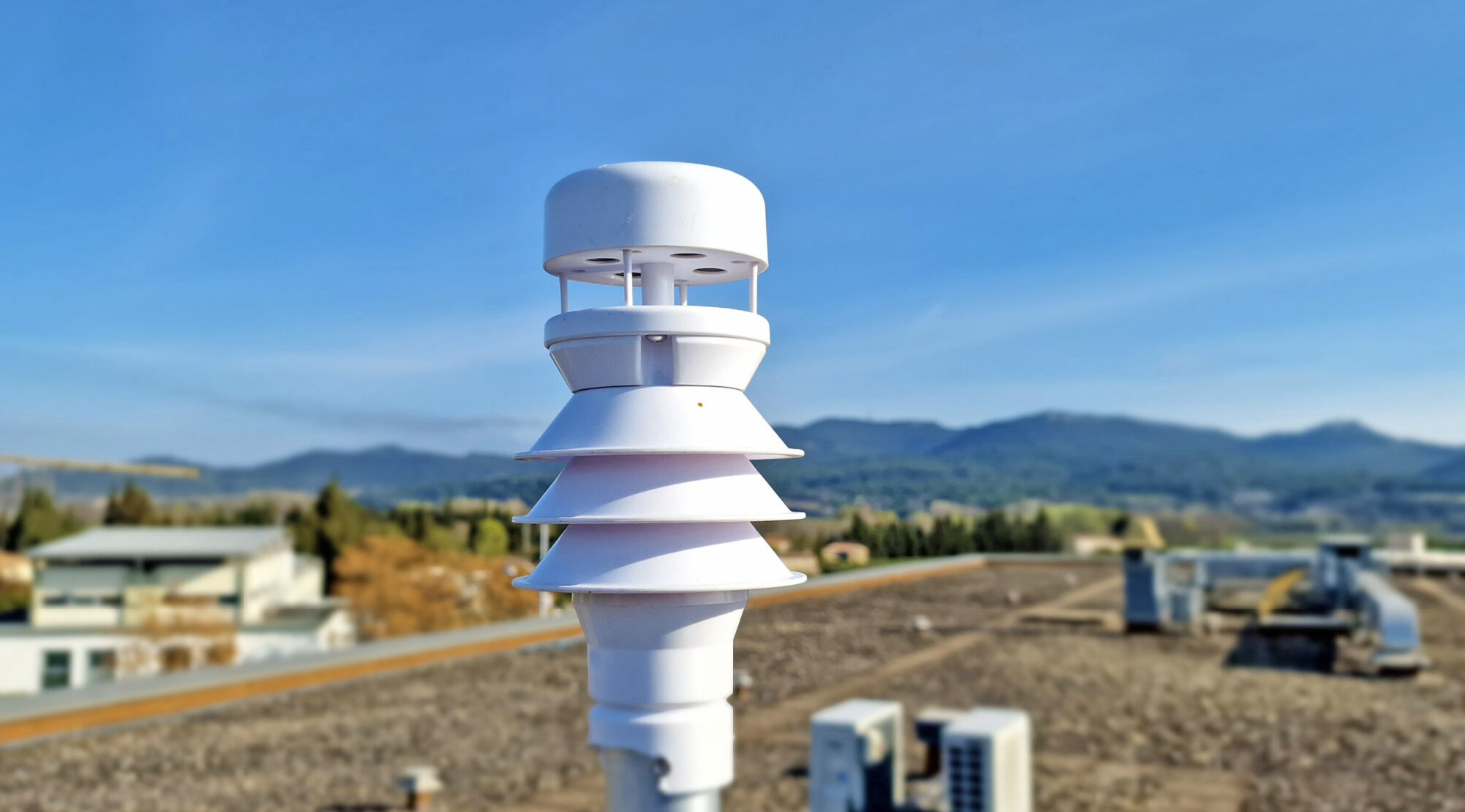
Pollen count measures the concentration of pollen grains per cubic meter of air, helping residents assess their allergy risk. Portland uses advanced Pollen Sense automated sensors with neural network algorithms to identify specific pollen species in real time. When pollen counts are high, allergy sufferers may experience sneezing, itchy eyes, nasal congestion, respiratory difficulties, and asthma exacerbation.
Key Pollen Types and Recent Trends in Portland
Portland experiences three distinct pollen categories that create nearly year-round allergen exposure. Recent climate data reveals that the allergy season has increased by 26 days on average between 1970 and 2021, with elevated carbon dioxide levels triggering plants to produce higher amounts of pollen than in previous decades.
- Tree Pollen: Peaks March through April with alder, birch, oak, maple, cottonwood, sycamore, ash, and Douglas fir; early season begins in December with spruce, cypress, hazelnut, and juniper
- Grass Pollen: Dominates May through July with ryegrass, Timothy grass, bluegrass, bent grass, and fescue; Oregon produces over two-thirds of the world's grass seed, making the region the likely grass pollen capital of the world
- Weed Pollen: Peaks in September with ragweed, sagebrush, nettles, wormwood, and amaranth; continues through November
- Mold Spores: Year-round presence due to Portland's wet climate, adding to the overall allergen burden
Portland's commitment to maintaining its extensive urban forest means higher tree pollen concentrations than less-forested cities. The Willamette Valley's grass seed industry south of Portland produces impressive amounts of pollen in very short periods, with grass pollen traveling for miles and affecting residents even when they aren't near agricultural fields. Warmer winters and extended growing seasons are causing both longer pollen seasons and higher pollen concentrations year over year.
Seasonal Pollen Patterns in Portland
Portland's pollen seasons overlap considerably, creating challenges for allergy sufferers throughout the year.
- Winter (December to February): Early tree pollen begins with spruce, cypress, hazelnut, and juniper; alder and birch pollen rises toward the end of the season
- Spring (March to May): Peak tree pollen from oak, maple, cottonwood, sycamore, ash, birch, and cedar; grass pollen season begins in May with ryegrass, bluegrass, and Timothy grass
- Summer (June to August): Intense grass pollen peaks in June across all species including ryegrass, fescue, bent grass, and Bermuda grass; pollen counts reach maximum levels by midday and early afternoon
- Fall (September to November): Weed pollen peaks in September with ragweed and sagebrush; ragweed and nettle pollen declines through October and November, typically ending the allergy season in late November
Access Daily Pollen Data in Portland
The Pollen Count & Alerts App provides Portland residents with real-time pollen monitoring specific to their location. Track daily concentrations of tree, grass, weed, and mold spores using data from Portland's National Allergy Bureau-certified monitoring stations. Receive customized alerts to plan your outdoor activities during low-pollen periods and manage your symptoms more effectively.
Effective Allergy Management Strategies for Portland Residents
Managing allergies in Portland's extended pollen season requires proactive strategies and reliable information.
- Use the Pollen Count & Alerts App: Monitor real-time pollen levels and receive alerts to plan outdoor activities during low-pollen times, especially avoiding early morning and midday peak periods
- Improve Indoor Air Quality: Keep windows closed during peak pollen hours, use air conditioning with quality filters, and change filters regularly to reduce indoor pollen exposure
- Practice Personal Hygiene: Shower and wash hair before bed to remove pollen particles, change clothes after outdoor activities, and rinse nasal passages with saline solution
- Install HEPA Air Purifiers: Use high-efficiency particulate air purifiers in bedrooms and common areas to capture airborne pollen and reduce overnight exposure
- Consult an Allergist: Work with Portland-area allergy specialists to identify specific triggers through testing and develop personalized treatment plans including medications or immunotherapy
Pollen Count & Alerts App Features to Enhance Your Allergy Management
The Pollen Count & Alerts App offers comprehensive tools designed specifically for Portland-area allergy sufferers to navigate the region's challenging year-round pollen season.
- Real-Time Pollen Counts: Access the latest pollen data specific to Portland using information from National Allergy Bureau-certified monitoring stations with advanced neural network identification technology
- Customized Allergy Alerts: Receive notifications when pollen levels for your specific allergens reach thresholds that trigger your symptoms, allowing you to take preventive measures
- Accurate 5-Day Forecasts: Plan your week with reliable pollen forecasts covering tree, grass, weed, and mold spore predictions based on weather patterns and historical data
- Educational Allergy Content: Learn about Portland's unique pollen challenges, including grass seed agriculture impacts, urban forest allergens, and climate change effects on pollen seasons
- Intuitive User Interface: Navigate easily between current conditions, forecasts, and personalized settings with a clean design optimized for quick daily checks


Learn More About Managing Your Seasonal Allergies
- Understanding Allergy Pollen Counts: Your Comprehensive Guide – Discover how to interpret pollen count levels and develop effective strategies to minimize your exposure and manage symptoms throughout allergy season.
- Why Are My Allergies So Bad Right Now? | Pollen Count & Alerts App Blog – Understand the factors that can cause sudden allergy flare-ups, including climate change, increased pollen production, and environmental triggers.
- Do Allergies Get Worse as You Age? | Pollen Count & Alerts App Blog – Explore how allergies evolve over your lifetime, why sensitivities can develop or worsen with age, and what you can do to adapt your management approach.
Stay informed with the latest research and practical advice by visiting the Alert Pollen Blog.
Pollen count in nearby cities
FAQ
When is pollen season in Portland, Oregon?
Portland experiences a nearly year-round pollen season that typically runs from December through late November. Tree pollen peaks from March through April with species like oak, maple, and birch, grass pollen dominates June and July with ryegrass and bluegrass, and weed pollen, particularly ragweed, peaks in September. Due to climate change, the allergy season has increased by an average of 26 days between 1970 and 2021, making Portland one of the most challenging cities for allergy sufferers.
What are the most common allergens in Portland, Oregon?
Portland's most common allergens include tree pollen from alder, birch, oak, cedar, Douglas fir, and cottonwood peaking February through June; grass pollen from ryegrass, Timothy grass, bluegrass, and fescue peaking May through July; and weed pollen from ragweed, sagebrush, and nettles peaking in late summer and fall. Portland is particularly affected by grass pollen since Oregon produces over two-thirds of the world's grass seed, with massive amounts of pollen traveling from the Willamette Valley into the metro area. The city's extensive urban forest also contributes to higher-than-average tree pollen counts throughout spring.
How can I use the Pollen Count & Alerts App to manage my allergies in Portland?
The Pollen Count & Alerts App provides real-time pollen monitoring specific to Portland, helping you plan outdoor activities during low-pollen periods and prepare with medication before high-count days. By setting personalized alerts for the specific allergens that affect you—whether that's grass, tree, or weed pollen—you can avoid peak exposure times, which typically occur in early morning and midday to early afternoon. This local forecasting is especially valuable given Portland's year-round pollen activity and the intense grass pollen season from the nearby Willamette Valley.
Final Thoughts
Living in Portland means facing one of the longest and most intense pollen seasons in the country, but being informed empowers you to take control of your allergy management. With knowledge about which allergens peak during specific months and access to real-time data through the Pollen Count & Alerts App, you can make strategic decisions about when to spend time outdoors and when to take preventive measures.
Don't let pollen dictate your life in beautiful Portland—download the Pollen Count & Alerts App today and breathe easier all year long. Take charge of your health with personalized alerts tailored to your specific sensitivities.
Take Control of Your Allergies Today
The Pollen Count & Alerts App delivers real-time pollen counts specific to Portland, personalized alerts for your unique allergen triggers, and comprehensive forecasts that help you plan your days with confidence. Whether you're sensitive to grass pollen from the Willamette Valley or tree pollen from Portland's urban forest, our app keeps you one step ahead. Download now and experience the difference that accurate, localized pollen information can make in managing your seasonal allergies.