Plano, Texas, located in the Dallas-Fort Worth Metroplex on the Southern Great Plains, experiences some of the most challenging allergy conditions in the United States. With a warm, humid climate and windy conditions, this North Dallas suburb faces year-round pollen exposure from diverse trees, grasses, and weeds. Dallas ranks number two nationally on annual Allergy Capitals Reports, and Plano residents experience no true off-season from allergens. This guide covers the major pollen types, seasonal patterns, monitoring resources, and effective management strategies for navigating Plano's intense allergy environment.
Understanding Pollen Count in Plano, Texas
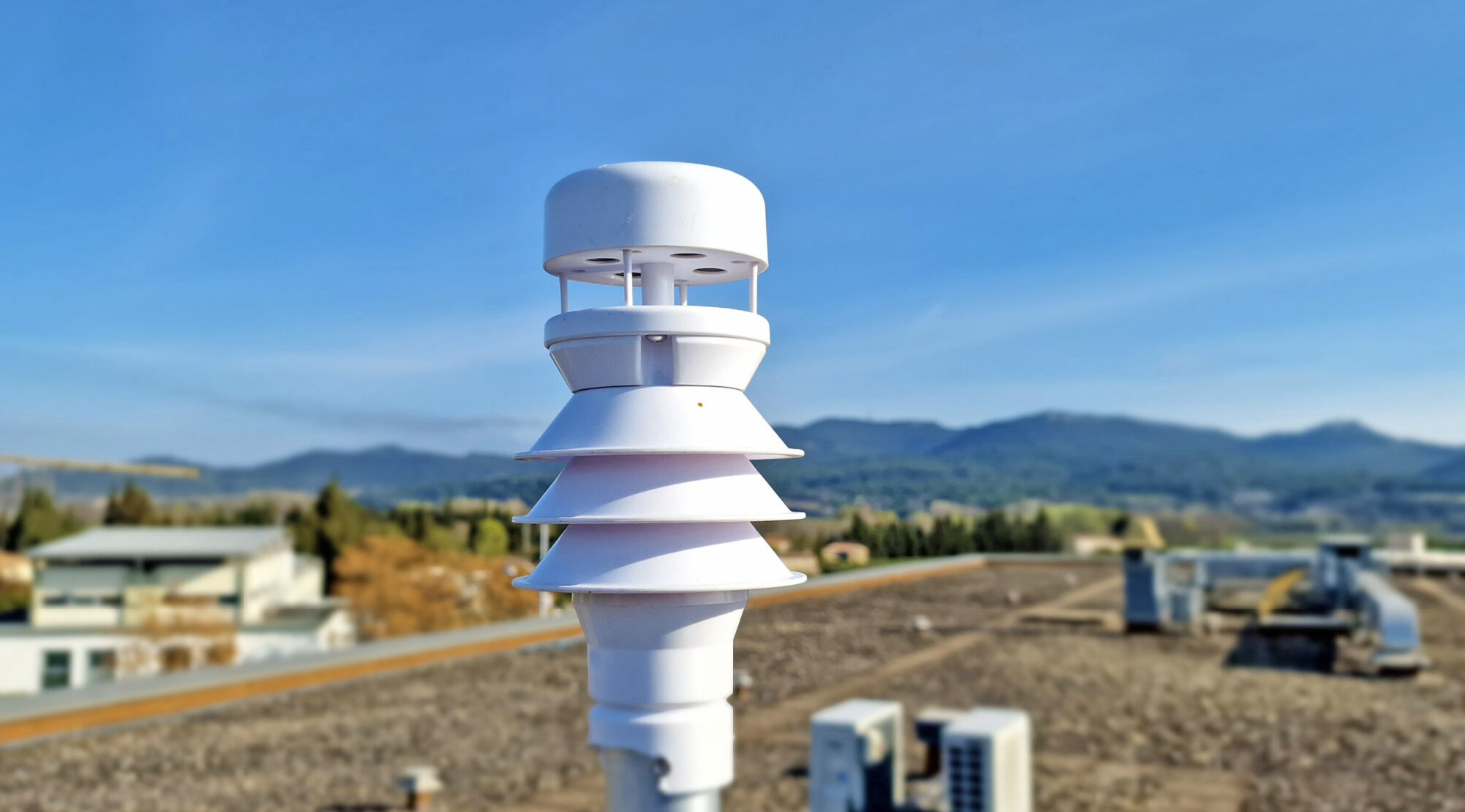
Pollen count measures the concentration of pollen grains per cubic meter of air, helping allergy sufferers assess their daily exposure risk. In Plano, counts are monitored by AAAAI-certified stations and automated sensors that identify specific pollen species through microscopic analysis and neural network algorithms. When pollen counts are high, residents commonly experience sneezing, runny nose, itchy and watery eyes, congestion, fatigue, and sore throat.
Key Pollen Types and Significant Trends in Plano
Plano experiences exceptionally high pollen counts from three main allergen categories that create year-round challenges for residents. Mountain cedar, also called Ashe juniper, causes notorious cedar fever affecting up to 20 percent of Texans during winter months. Spring brings the highest overall pollen counts of the year, dominated by oak, pecan, ash, and mulberry trees producing massive pollen loads from March through May. The extended warm climate creates a seven-month grass pollen season from April through October, significantly longer than most U.S. regions.
- Mountain Cedar (Ashe Juniper): Peaks mid-January with intense cedar fever symptoms affecting up to 20% of Texans, traveling hundreds of miles from Hill Country on prevailing winds
- Oak Pollen: Dominates spring with massive pollen loads from Live Oak and Post Oak from March to May, creating the highest overall pollen counts of the year
- Bermuda Grass: Thrives in North Texas climate with an extended 7-month season from April to October, far longer than grass seasons in other U.S. regions
- Ragweed: Produces exceptionally high fall counts with an extended 4-month season from late August through November, notably higher than most U.S. areas
The convergence of geographic, climatic, and urban factors creates these intense pollen conditions. Plano's flat terrain facilitates rapid pollen spread, while temperature fluctuations and cold fronts trigger larger pollen releases and push cedar pollen northward into the DFW area in concentrated waves. The rich natural ecosystem and open green spaces throughout North Dallas suburbs support diverse plant species that pollinate for large portions of the year.
Seasonal Pollen Patterns in Plano, Texas
Plano experiences distinct seasonal pollen patterns that create year-round allergen exposure with no true off-season.
- Winter (December to February): Dominated by Mountain Cedar and Ashe Juniper pollen peaking mid-January, causing cedar fever symptoms unique to Texas
- Spring (February to May): Highest overall pollen counts from tree species including oak, pecan, elm, ash, mulberry, and hickory with peaks from March through May
- Summer (May to October): Extended grass pollen season featuring Bermuda grass, Bahia grass, and Johnson grass thriving in the warm North Texas climate for 7 months
- Fall (Late August to November): Ragweed dominates with exceptionally high counts and an extended 4-month season, accompanied by sagebrush and pigweed allergens
Access Daily Pollen Data in Plano
The Pollen Count & Alerts App provides Plano residents with real-time pollen monitoring specific to their location and zip code. Track daily counts for tree, grass, weed, and mold spore allergens with accurate forecasts that help you plan outdoor activities during low-pollen times. Receive customized alerts when pollen levels spike so you can take preventive measures before symptoms begin.
Effective Allergy Management Strategies for Plano Residents
Managing allergies in Plano's challenging year-round environment requires proactive strategies and daily monitoring.
- Use the Pollen Count & Alerts App: Monitor real-time pollen levels specific to Plano zip codes and receive alerts to plan outdoor activities during low-pollen times
- Improve Indoor Air Quality: Keep windows closed during high pollen days, especially on dry and windy conditions when counts are highest
- Practice Personal Hygiene: Shower and change clothes after outdoor activities to remove pollen from hair and skin, preventing indoor contamination
- Install HEPA Air Purifiers: Use high-efficiency particulate air filters in bedrooms and living spaces to capture airborne pollen and allergens
- Consult an Allergist: Seek professional medical advice for persistent symptoms, especially during peak cedar fever, oak, and ragweed seasons
Pollen Count & Alerts App Features to Enhance Your Allergy Management
The Pollen Count & Alerts App offers comprehensive tools designed specifically to help Plano residents navigate the challenging year-round allergy environment.
- Real-Time Pollen Counts: Access the latest pollen data specific to your Plano location with measurements for tree, grass, weed, and mold spore allergens
- Customized Allergy Alerts: Receive notifications when pollen levels spike for the specific allergens that trigger your symptoms
- Accurate Multi-Day Forecasts: Plan ahead with reliable pollen forecasts that account for local weather patterns, wind conditions, and seasonal trends
- Educational Allergy Content: Learn about cedar fever, ragweed seasons, oak pollen peaks, and other Plano-specific allergen information
- Intuitive User-Friendly Design: Navigate easily between real-time data, forecasts, and alerts with a clean interface designed for daily monitoring


Learn More About Managing Your Allergies
- Understanding Allergy Pollen Counts: Your Comprehensive Guide – Discover how to interpret pollen count levels and develop effective strategies to minimize allergy symptoms throughout the year.
- Why Are My Allergies So Bad Right Now? | Pollen Count & Alerts App Blog – Understand the factors that can cause your allergies to suddenly intensify, including climate changes and increased allergen exposure.
- Do Allergies Get Worse as You Age? | Pollen Count & Alerts App Blog – Learn why your body's response to allergens can shift over time and what to expect as you age.
Stay updated with the latest tips and insights by visiting the Alert Pollen Blog.
Pollen count in nearby cities
FAQ
When is pollen season in Plano, TX?
Plano experiences year-round pollen exposure with no true off-season. The most intense periods are winter (December-February) for Mountain Cedar, spring (March-May) for Oak and Pecan trees with the highest overall pollen counts, summer (April-October) for Bermuda grass during an extended 7-month season, and fall (August-November) for Ragweed which lasts up to 4 months in North Texas—significantly longer than most U.S. regions.
What are the most common allergens in Plano, TX?
The most common allergens in Plano include Mountain Cedar (Ashe Juniper) peaking mid-January and affecting up to 20% of Texans with "cedar fever," Oak trees (Live Oak and Post Oak) producing massive pollen loads from March through May, Bermuda grass dominating the summer months from April to October, and Ragweed causing exceptionally high fall pollen counts from late August through November. Other significant allergens include Pecan and Hickory trees in April, Elm and Ash in early spring, and various weeds like Sagebrush and Pigweed during fall months.
How can I protect myself from pollen in Plano and make the most of the Pollen Count & Alerts App?
Monitor daily pollen forecasts through the Pollen Count & Alerts App to plan outdoor activities on low-pollen days, especially avoiding dry and windy conditions when counts spike. Set personalized alerts for your specific allergens—whether it's cedar, oak, grass, or ragweed—so you can take preventive antihistamines before symptoms start. On high-pollen days, keep windows closed, shower after being outdoors to remove pollen from hair and skin, and use the app's real-time data to time essential outdoor tasks for periods when your trigger allergens are lowest.
Final Thoughts
Living in Plano means facing some of the most challenging allergy conditions in the United States, with year-round pollen exposure and the city ranking among the nation's worst for allergy sufferers. However, armed with knowledge about local pollen patterns and the right tools like the Pollen Count & Alerts App, you can take control of your symptoms and enjoy life in North Texas with greater comfort and confidence.
Don't let pollen dictate your daily activities—download the Pollen Count & Alerts App today and receive personalized, real-time information tailored to Plano's unique allergen landscape.
Take Control of Your Allergies Today
The Pollen Count & Alerts App provides real-time pollen counts specific to Plano, personalized alerts for your trigger allergens like cedar, oak, grass, and ragweed, and comprehensive forecasts so you can plan ahead. Whether you're dealing with cedar fever in winter or ragweed in fall, our app helps you stay one step ahead of allergy season. Download now and breathe easier all year long.