Oshawa, located along the shore of Lake Ontario in the Greater Toronto Area, experiences a challenging pollen season shaped by its humid continental climate and proximity to the lake. The city faces three distinct pollen waves throughout the year: intense spring tree pollen from birch, oak, and maple; summer grass pollen from Kentucky bluegrass and timothy grass; and fall ragweed that reaches the highest concentrations in all of Canada. This article provides detailed information about pollen types, seasonal patterns, daily monitoring resources, and effective allergy management strategies for Oshawa residents.
Understanding Pollen Count in Oshawa
Pollen count measures the concentration of pollen grains per cubic meter of air, indicating allergy risk levels for residents. When counts exceed moderate levels (typically above 50-100 grains per cubic meter for most pollen types), allergy sufferers may experience symptoms including sneezing, nasal congestion, itchy eyes, respiratory difficulty, and fatigue. Understanding daily pollen levels helps residents plan outdoor activities and take preventive measures to minimize exposure.
Key Pollen Types and Increasing Trends in Oshawa
Oshawa and the Greater Toronto Area record the highest ragweed pollen concentrations in Canada, while Ontario receives more ragweed pollen than any other province. Recent data shows that Canada is experiencing substantially more pollen than 15-20 years ago, driven by higher temperatures, elevated CO₂ levels that increase both pollen quantity and allergenic potency, and climate change extending pollen seasons year after year.
- Ragweed Pollen: Dominates fall season from late July through October with peak levels mid-August to late September, highest in all of Canada in the Greater Toronto Area
- Tree Pollen: Birch, oak, and maple peak in May affecting 1 in 4 Canadians, with oak producing more pollen than all other plants combined
- Grass Pollen: Kentucky bluegrass, ryegrass, and timothy grass produce moderate to high counts from mid-May through late July across lawns and roadsides
- Urban Male Trees: Cities preferentially plant male trees that produce high pollen volumes without fruit or flower debris, intensifying urban pollen exposure
Acute air pollution in the Greater Toronto Area, including Oshawa, enhances pollen allergenicity through interactions with ozone, nitrogen oxides, and particulate matter. The urban heat island effect further extends and intensifies pollen seasons beyond what would occur in rural areas, while Lake Ontario's moderating influence affects the timing and intensity of plant flowering patterns.
Seasonal Pollen Patterns in Oshawa
Oshawa experiences four distinct pollen seasons throughout the year:
- Spring (March to May): Dominated by tree pollen from elm, cedar, maple, birch, oak, ash, poplar, and pine, with May representing peak pollen month when tree and grass seasons overlap
- Summer (June to August): Grass pollen from Kentucky bluegrass, ryegrass, timothy grass, and orchard grass produces moderate to high counts from mid-May through late July
- Fall (August to October): Ragweed season begins in late July and peaks mid-August through late September with the highest concentrations in Canada, continuing until first frost in late October
- Winter (November to February): Traditionally low outdoor pollen levels with December marking the beginning of the pollen-free period for outdoor allergens
Access Daily Pollen Data for Oshawa
The Pollen Count & Alerts App provides real-time pollen monitoring specifically for Oshawa, delivering accurate daily counts for tree, grass, weed, and mold spore levels. Since Oshawa lacks a dedicated government pollen monitoring station and relies on commercial weather service forecasts, having a reliable app-based resource is essential for tracking current conditions. Receive customized alerts when pollen levels spike so you can adjust outdoor plans and minimize allergic reactions.
Effective Allergy Management Strategies for Oshawa Residents
Implement these proven strategies to reduce pollen exposure and manage allergy symptoms effectively:
- Use the Pollen Count & Alerts App: Monitor real-time pollen levels and receive alerts to plan outdoor activities during low-pollen times, especially during peak ragweed season
- Improve Indoor Air Quality: Keep windows closed during high pollen days, particularly in May during tree pollen peak and August-September during ragweed season
- Practice Personal Hygiene: Shower and wash hair before bed to remove pollen, change clothes after outdoor activities, and avoid hanging laundry outside to dry
- Install HEPA Air Purifiers: Use high-efficiency particulate air filters in bedrooms and main living areas to capture airborne pollen particles and reduce indoor allergen concentrations
- Consult an Allergist: Seek professional medical advice for persistent symptoms, consider allergy testing to identify specific triggers like birch or ragweed, and discuss immunotherapy options
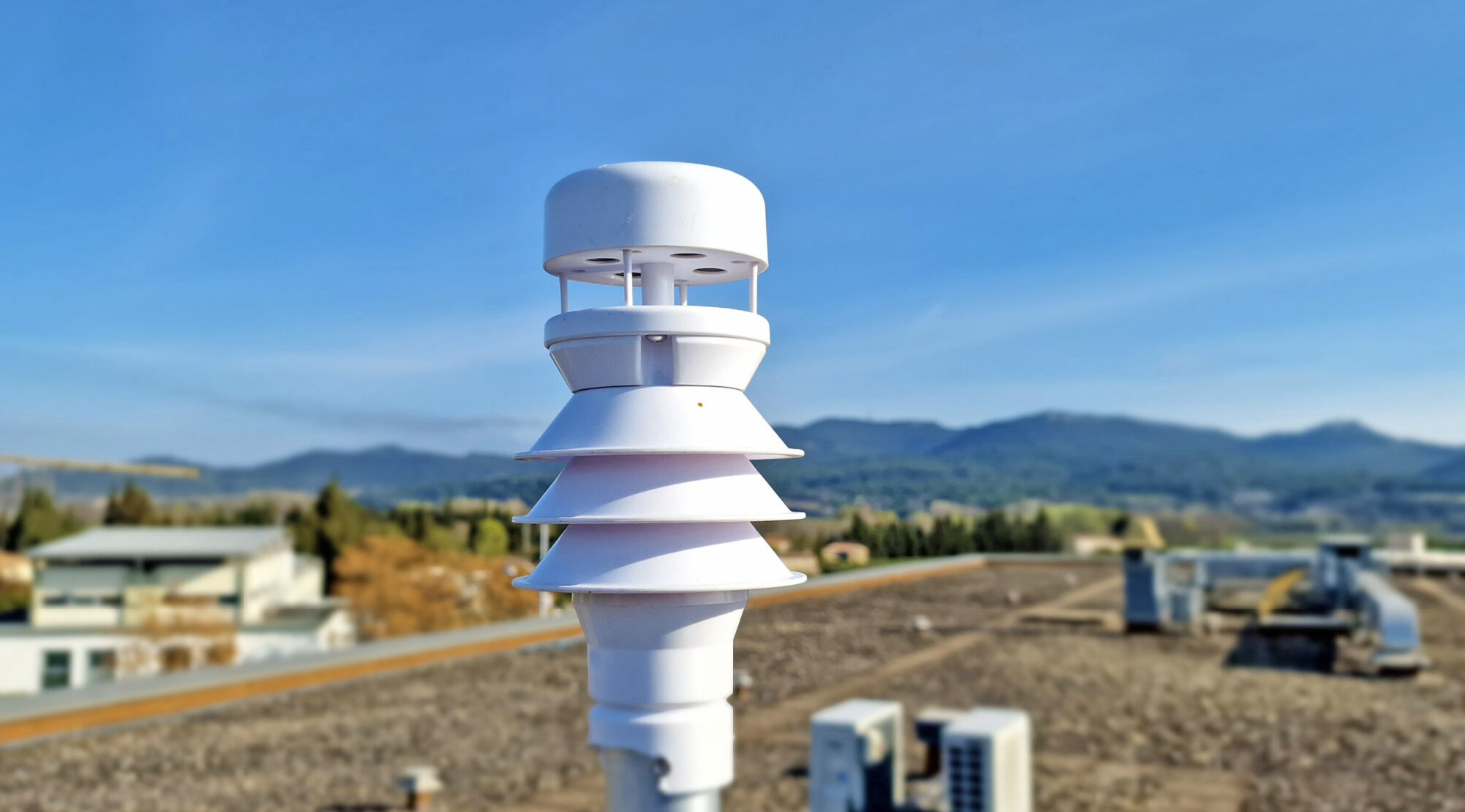
Pollen Count & Alerts App Features for Enhanced Allergy Management
The Pollen Count & Alerts App offers comprehensive tools to help Oshawa residents manage pollen allergies throughout the year:
- Real-Time Pollen Counts: Access the latest pollen data specific to Oshawa, including tree, grass, weed, and mold spore levels updated daily
- Customized Allergy Alerts: Receive push notifications when pollen levels for your specific allergens reach moderate or high thresholds in your area
- Accurate Multi-Day Forecasts: Plan ahead with detailed pollen forecasts showing expected levels for the coming days and weeks across all pollen types
- Educational Allergy Content: Learn about local pollen types, seasonal patterns, cross-reactivity with foods, and evidence-based management strategies for Ontario allergens
- Intuitive User Interface: Navigate easily through pollen data, historical trends, and personalized insights with a clean, user-friendly design optimized for daily use


Explore More on Managing Seasonal Allergies
- Understanding Allergy Pollen Counts: Your Comprehensive Guide – Learn how to interpret pollen count levels and develop effective strategies to minimize your exposure and manage allergy symptoms throughout the year.
- Why Are My Allergies So Bad Right Now? | Pollen Count & Alerts App Blog – Discover the environmental and biological factors that can cause your allergies to suddenly intensify, including climate change impacts and increased pollen potency.
- Do Allergies Get Worse as You Age? | Pollen Count & Alerts App Blog – Understand how your immune system and allergy sensitivity evolve over your lifetime, and why you might develop new allergies or see existing ones improve with age.
Stay updated with the latest tips and insights by visiting the Alert Pollen Blog.
Pollen count in nearby cities
FAQ
When is pollen season in Oshawa, Ontario?
Pollen season in Oshawa typically begins in early spring (March-April) with tree pollen from elm, cedar, maple, and birch, reaching peak levels in May when tree and grass pollen overlap. Summer (June-August) brings dominant grass pollen, while late summer through fall (late July-October) features intense ragweed season, with Oshawa experiencing the highest ragweed concentrations in all of Canada. The season typically ends with the first frost in late October.
What are the most common allergens in Oshawa?
The most common allergens in Oshawa include tree pollen from birch (mid-April to mid-June), oak (April to late May), and maple (March-April), which are highly allergenic spring triggers. Grass pollen from Kentucky bluegrass, ryegrass, and timothy grass dominates mid-May through late July. However, ragweed is the dominant allergen overall, peaking from mid-August to late September, with Ontario receiving the most ragweed pollen in all of Canada and the Greater Toronto Area recording the highest concentrations nationally.
How can I protect myself from high pollen levels in Oshawa?
Monitor daily pollen forecasts using the Pollen Count & Alerts App to plan outdoor activities during lower-count periods, typically after rain or on cooler days. Stay indoors during peak pollen hours (usually morning and early evening), keep windows closed during high-count days, and shower after being outdoors to remove pollen from hair and skin. The app's personalized alerts can help you prepare before pollen levels spike, allowing you to take preventive medication or adjust your schedule accordingly.
Final Thoughts
Living in Oshawa means facing some of Canada's most challenging pollen conditions, particularly during the intense ragweed season that dominates late summer and fall. However, with accurate information about local pollen patterns and the right tools like the Pollen Count & Alerts App, you can take control of your allergy management and minimize the impact on your daily life. Understanding when birch, grass, and especially ragweed reach peak levels empowers you to plan ahead and protect your health.
Download the Pollen Count & Alerts App today to receive real-time pollen data specific to Oshawa and personalized alerts that help you stay one step ahead of allergy season. With climate change extending pollen seasons and increasing allergen potency, having reliable, localized information has never been more important.
Take Control of Your Allergies Today
The Pollen Count & Alerts App provides real-time pollen counts tailored to Oshawa, personalized alerts based on your specific sensitivities, and comprehensive forecasts covering tree, grass, and ragweed pollen throughout the year. Don't let unpredictable pollen levels control your schedule—get the information you need to breathe easier and enjoy outdoor activities with confidence. Download now and experience the difference that accurate, localized pollen tracking can make in managing your seasonal allergies.