Oklahoma City, located in the heart of central Oklahoma, experiences a mild climate that contributes to nearly year-round pollen challenges. The city's dry, windy conditions allow pollen to disperse easily across the region, making allergies particularly problematic during peak seasons. This guide covers the main pollen types, seasonal patterns, recent trends, and practical strategies to help you manage allergies in Oklahoma City.
Understanding Pollen Count in Oklahoma City
Pollen count measures the concentration of pollen grains per cubic meter of air, indicating potential allergy severity. When counts reach moderate to high levels, sensitive individuals may experience symptoms such as sneezing, runny nose, itchy eyes, congestion, and asthma exacerbation. Oklahoma City contends with moderate pollen counts throughout the year, with notable spikes during spring and fall seasons.
Key Pollen Types and Significant Trends in Oklahoma City
Oklahoma City faces three primary pollen challenges throughout the year, each peaking during distinct seasons. Recent data shows alarming trends, particularly during fall and late winter months. In September 2025, Oklahoma City recorded some of the highest ragweed pollen levels detected in the United States, ranking in the top 10 highest since 2001. In February 2026, the city experienced four consecutive days of very high tree pollen levels, reaching extreme exposure thresholds.
- Tree Pollen: Oak, eastern red cedar, mulberry, and elm dominate spring months, with February 2026 showing extreme exposure levels for four consecutive days
- Grass Pollen: Bermuda grass, extensively used in lawns and sports fields, produces significant pollen during summer months from May through August
- Ragweed Pollen: September 2025 recorded some of the highest ragweed levels in the nation, ranking in the top 10 highest since 2001
- Cedar Pollen: Eastern red cedar causes "Cedar Fever" affecting 20% of the regional population from late November through February
Oklahoma's milder winter climate allows pollen season to begin as early as February, extending the overall allergy season compared to northern regions. The dry and windy conditions characteristic of the Central Plains allow pollen to travel longer distances, intensifying exposure levels throughout the metro area.
Seasonal Pollen Patterns in Oklahoma City
Oklahoma City experiences distinct pollen seasons throughout the year with varying allergen types:
- Winter (Late November to February): Dominated by cedar and juniper pollen, with peak levels in mid-January through February causing "Cedar Fever" in sensitive individuals
- Spring (February to June): Tree pollen season featuring oak, cedar, elm, maple, pecan, and mulberry, with peak months in March, April, May, and June
- Summer (May to August): Grass pollen season led by Bermuda grass, timothy grass, and Kentucky bluegrass thriving in the warm climate
- Fall (August to November): Weed pollen season dominated by ragweed, with peak levels in September that have recently ranked among the highest in the nation
Accessing Daily Pollen Data in Oklahoma City
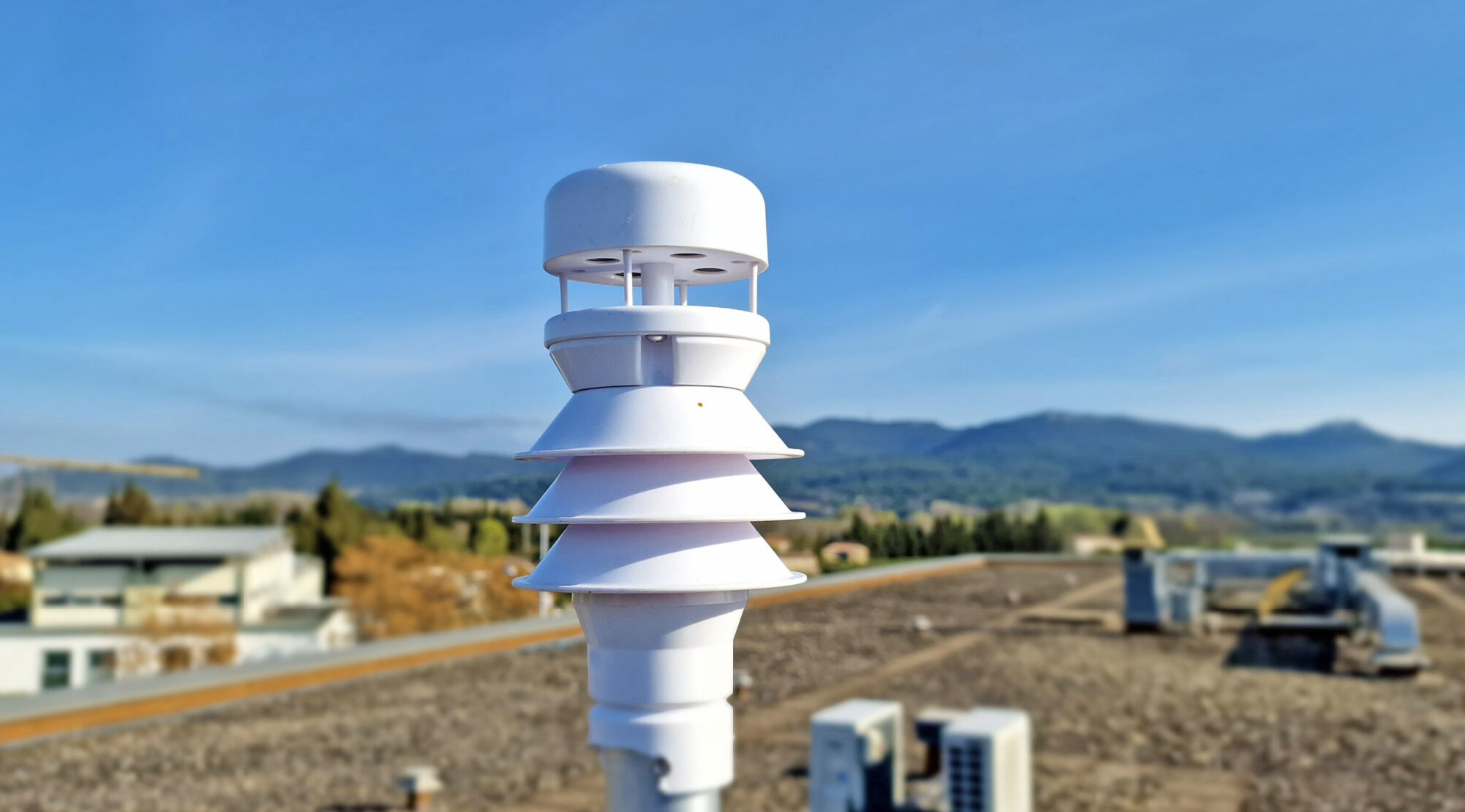
The Pollen Count & Alerts App provides real-time pollen monitoring specifically for Oklahoma City, tracking tree, grass, weed, and mold spore levels throughout the day. Since pollen counts are highest in the morning between dawn and 10 AM, accessing current data helps you plan outdoor activities during lower-pollen periods. The app delivers localized forecasts based on data from certified counting stations affiliated with the National Allergy Bureau and advanced automated particulate sensors.
Effective Allergy Management Strategies for Oklahoma City Residents
Implementing these evidence-based strategies can significantly reduce allergy symptoms during high pollen days:
- Use the Pollen Count & Alerts App: Monitor real-time pollen levels and receive alerts to plan outdoor activities during low-pollen times, especially avoiding morning hours
- Improve Indoor Air Quality: Keep windows closed during peak pollen seasons, use air conditioning, and change HVAC filters regularly to minimize indoor pollen exposure
- Practice Personal Hygiene: Shower and change clothes after outdoor activities to remove pollen from skin and hair, preventing nighttime symptoms
- Install HEPA Air Purifiers: Use high-efficiency particulate air filters in bedrooms and main living areas to capture airborne pollen particles indoors
- Consult an Allergist: Seek professional evaluation for personalized treatment options, including immunotherapy, especially if you experience severe symptoms during extreme pollen days
App Features to Enhance Your Allergy Management
The Pollen Count & Alerts App offers comprehensive tools designed specifically for Oklahoma City allergy sufferers:
- Real-Time Pollen Counts: Access the latest pollen data specific to Oklahoma City, updated daily from certified monitoring stations
- Customized Alerts: Receive notifications when pollen levels reach thresholds that typically trigger your symptoms, allowing proactive prevention
- Accurate Forecasts: Plan your week with reliable pollen forecasts based on weather patterns and historical data for the Oklahoma City region
- Educational Content: Learn about specific allergens affecting Oklahoma City, including cedar fever, ragweed peaks, and oak pollen seasons
- Intuitive Design: Navigate easily through pollen data, historical trends, and personalized allergy management recommendations in a user-friendly interface


Explore More on Managing Seasonal Allergies
- Understanding Allergy Pollen Counts: Your Comprehensive Guide – Learn how to interpret pollen count levels and develop effective strategies to minimize your exposure during peak allergy seasons.
- Why Are My Allergies So Bad Right Now? | Pollen Count & Alerts App Blog – Discover the environmental and physiological factors that can cause your allergy symptoms to intensify unexpectedly.
- Do Allergies Get Worse as You Age? | Pollen Count & Alerts App Blog – Understand how your immune system and allergy sensitivities evolve throughout different life stages, from childhood to adulthood.
Stay updated with the latest tips and insights by visiting the Alert Pollen Blog.
Pollen count in nearby cities
FAQ
When is pollen season in Oklahoma City, OK?
Oklahoma City experiences nearly year-round pollen activity due to its mild climate. The primary seasons are tree pollen from February through June (peaking March-May), grass pollen from May through August, and weed pollen from August through November. Additionally, cedar pollen starts as early as late November and peaks in January-February, causing "Cedar Fever" for about 20% of the regional population.
What are the most common allergens in Oklahoma City, OK?
The most prevalent allergens in Oklahoma City include oak, eastern red cedar, elm, and mulberry trees during spring; Bermuda grass and timothy grass in summer; and common ragweed in fall, which has recently reached some of the highest levels in the nation. Oak produces the most abundant tree pollen, while ragweed is the most common allergen overall in Oklahoma, with September 2025 recording top-10 highest ragweed levels since 2001.
How can I protect myself from pollen in Oklahoma City using the Pollen Count & Alerts App?
The Pollen Count & Alerts App provides real-time pollen counts and personalized alerts for Oklahoma City, helping you plan your day around peak pollen times, which typically occur between dawn and 10 AM. Since Oklahoma's dry and windy conditions cause pollen to travel long distances, the app's comprehensive forecasts allow you to stay indoors during very high or extreme pollen days and schedule outdoor activities when counts are lower.
Final Thoughts
Living in Oklahoma City means contending with one of the longest and most challenging pollen seasons in the country, with allergens present nearly year-round. However, armed with accurate information about local pollen patterns and the right tools like the Pollen Count & Alerts App, you can take control of your allergy symptoms and enjoy outdoor activities with confidence.
Download the Pollen Count & Alerts App today to receive personalized pollen forecasts and real-time alerts tailored specifically to Oklahoma City's unique allergen landscape.
Take Control of Your Allergies Today
The Pollen Count & Alerts App delivers real-time pollen counts for Oklahoma City, personalized alerts based on your specific sensitivities, and comprehensive forecasts covering trees, grasses, weeds, and mold. Whether you're dealing with spring oak pollen, summer Bermuda grass, or fall ragweed, stay one step ahead of allergens and breathe easier all year long.