Miami Beach, located on Florida's southeastern coast, offers beautiful beaches and warm weather year-round. However, this subtropical paradise comes with a unique challenge: continuous pollen exposure throughout all seasons. Unlike northern cities with distinct allergy seasons, Miami Beach residents face oak, ragweed, bahia grass, and invasive species like Brazilian pepper and Australian pine with no winter relief. This guide covers the main pollen types, seasonal patterns, peak allergen periods, and effective strategies to manage allergies in Miami Beach.
Understanding Pollen Count in Miami Beach
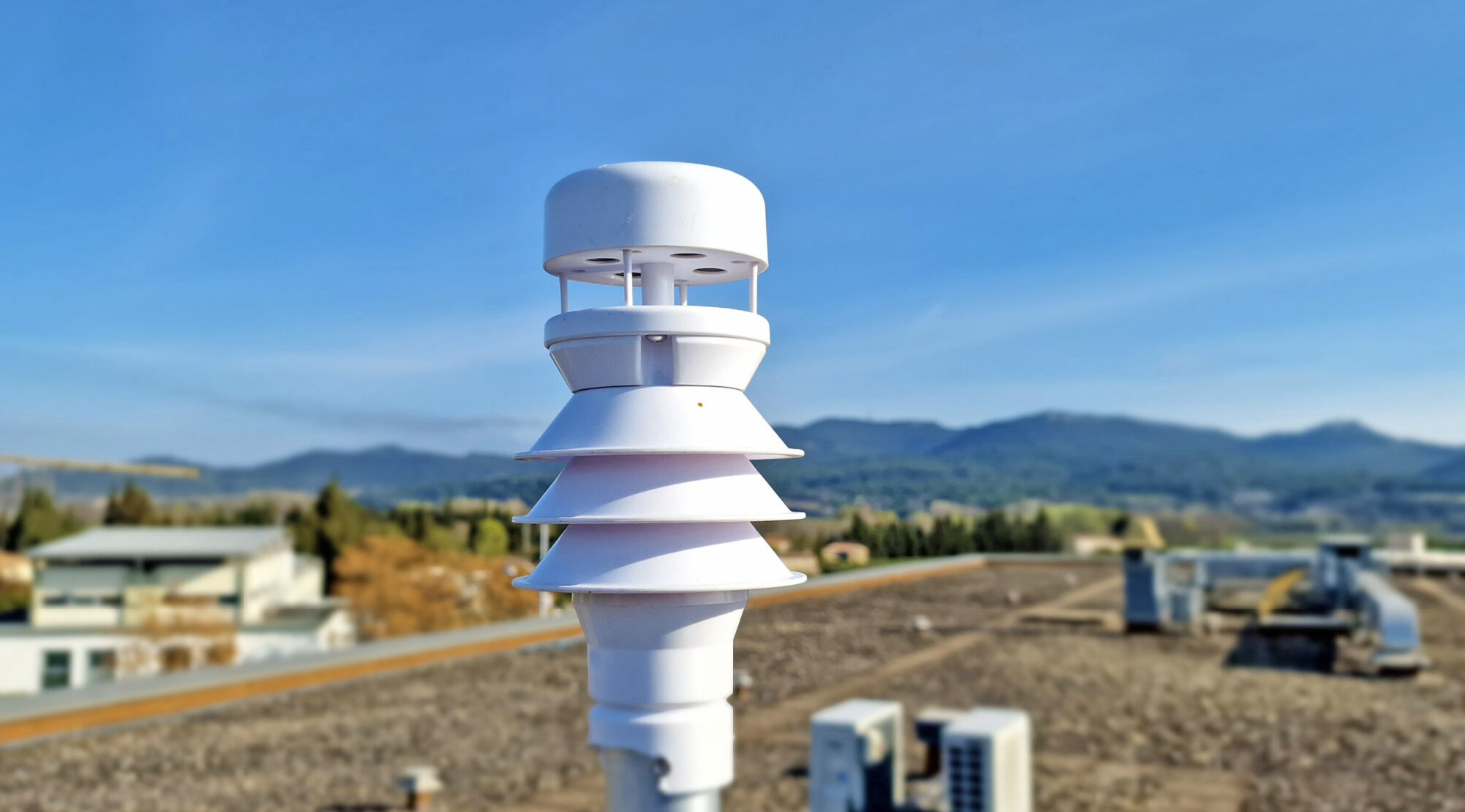
Pollen count measures the number of pollen grains per cubic meter of air over a 24-hour period. When counts exceed moderate levels, allergy sufferers typically experience symptoms including sneezing, itchy eyes, nasal congestion, runny nose, and respiratory irritation. In Miami Beach, specialized pollen samplers continuously monitor air quality to provide accurate daily forecasts.
Key Pollen Types and Recent Trends in Miami Beach
Miami Beach's subtropical climate supports year-round pollen production from multiple sources. Research from Miami Children's Hospital reveals that while South Florida has surprisingly lower absolute pollen counts than northern U.S. cities, the continuous year-round exposure leads to significant cumulative allergic sensitization among long-term residents. Climate change is intensifying these challenges, with pollen seasons starting earlier and lasting longer across the region.
- Oak Pollen: Peaks February through April with maximum concentrations in March and April, produced by live oak and laurel oak species
- Bahia Grass Pollen: Dominates summer months but remains detectable nearly year-round due to continuous warm conditions
- Ragweed Pollen: Reaches peak levels September through November and can extend into December, the most significant weed allergen
- Australian Pine & Brazilian Pepper: Non-native invasive species unique to South Florida that pollinate in spring and fall, adding allergen types not found in northern states
Local research indicates that westerly winds bring inland pollen to Miami Beach, with highest daily exposure occurring during morning and midday hours. Additionally, mold spores remain consistently elevated throughout the year and correlate more strongly with asthma emergency room visits than pollen counts, making mold potentially the most clinically important outdoor allergen in the area.
Seasonal Pollen Patterns in Miami Beach
Miami Beach has no true allergy off-season, but pollen types vary throughout the year:
- Winter (December to February): Bald cypress and juniper dominate, with oak pollen beginning in late February and some pine species pollinating
- Spring (March to May): Oak pollen reaches peak concentrations along with ash and hickory, creating the worst allergen period when overlapping with early grass pollen
- Summer (June to August): Grass pollen, especially bahia grass, reaches highest concentrations during late spring through early fall
- Fall (September to November): Ragweed peaks alongside Brazilian pepper and Australian pine, creating the second-worst allergen period of the year
Access Daily Pollen Data for Miami Beach
The Pollen Count & Alerts App provides real-time pollen monitoring specifically for Miami Beach residents and visitors. Track daily levels of tree pollen, grass pollen, weed pollen, and mold spores with location-specific forecasts. Receive personalized alerts when pollen counts spike, allowing you to plan outdoor activities during low-pollen times and minimize allergy symptoms.
Effective Allergy Management Strategies for Miami Beach
Protect yourself from year-round pollen exposure with these evidence-based strategies:
- Use the Pollen Count & Alerts App: Monitor real-time pollen levels and receive alerts to plan outdoor activities during low-pollen times, especially avoiding morning and midday peak hours
- Maintain Indoor Air Quality: Keep windows closed during high pollen days and run air conditioning to filter incoming air and reduce indoor allergen levels
- Practice Personal Hygiene: Shower and change clothes after outdoor activities to remove pollen from skin and hair, and wash bedding weekly in hot water
- Install HEPA Air Purifiers: Use high-efficiency particulate air filters in bedrooms and main living areas to capture airborne pollen, mold spores, and other allergens
- Consult a Board-Certified Allergist: Get tested for specific sensitivities to oak, ragweed, bahia grass, and other local allergens to develop a personalized treatment plan including medications or immunotherapy
App Features to Enhance Your Allergy Management
The Pollen Count & Alerts App offers comprehensive tools designed specifically for Miami Beach's unique year-round allergy environment:
- Real-Time Pollen Counts: Access the latest pollen data specific to Miami Beach, including oak, ragweed, bahia grass, and invasive species levels
- Customized Alerts: Receive push notifications when pollen counts reach levels that trigger your personal allergy symptoms
- Accurate 5-Day Forecasts: Plan your week ahead with extended forecasts showing predicted pollen concentrations for trees, grasses, weeds, and mold
- Educational Content: Learn about local allergen sources including Brazilian pepper, Australian pine, and other South Florida-specific triggers
- Intuitive Design: Navigate easily through pollen data, forecasts, and personalized insights with a user-friendly interface designed for daily use


Learn More About Managing Year-Round Allergies
- Understanding Allergy Pollen Counts: Your Comprehensive Guide – Discover how to interpret pollen count levels and develop effective strategies to minimize allergy symptoms throughout the year.
- Why Are My Allergies So Bad Right Now? | Pollen Count & Alerts App Blog – Explore the reasons why your allergy symptoms might suddenly intensify, including environmental changes and cumulative allergen exposure.
- Do Allergies Get Worse as You Age? | Pollen Count & Alerts App Blog – Understand how allergic sensitivity evolves over your lifetime and why long-term residents of subtropical climates often develop new sensitivities.
Stay updated with the latest tips and insights by visiting the Alert Pollen Blog.
Pollen count in nearby cities
FAQ
When is pollen season in Miami Beach, FL?
Miami Beach experiences year-round pollen activity due to its subtropical climate, with no true "off season." The most intense periods occur from March to May when oak pollen peaks, and September through November when ragweed and Brazilian pepper dominate. Tree pollen from oak, Australian pine, and bald cypress is highest in late winter through spring, grass pollen persists nearly year-round with summer peaks, and weed pollen from ragweed intensifies in fall.
What are the most common allergens in Miami Beach, FL?
The dominant allergens in Miami Beach include oak trees (peaking March-April), Bahia grass and Bermuda grass (highest in summer but present year-round), and common ragweed (peaking September-November). Unique to South Florida are invasive species like Australian pine, Brazilian pepper, and melaleuca that contribute significant pollen loads. Additionally, mold spores remain consistently elevated throughout the year due to high humidity and warm temperatures, often causing more respiratory issues than pollen itself.
How can I protect myself from year-round pollen exposure in Miami Beach?
Download the Pollen Count & Alerts App to receive daily pollen forecasts and personalized alerts for Miami Beach, helping you plan outdoor activities during lower-count periods. Monitor pollen levels before early morning and midday hours when counts peak, keep windows closed during high-pollen days, and shower after spending time outdoors to remove pollen from hair and skin. Since mold is a major concern in South Florida's humid climate, use air conditioning with quality filters indoors and consider consulting an allergist for year-round management strategies.
Final Thoughts
Living in Miami Beach means facing continuous pollen exposure unlike most other U.S. cities, but understanding your local allergen landscape empowers you to take control. With peak seasons in spring for trees and fall for weeds, plus year-round grass pollen and mold, the Pollen Count & Alerts App gives you the real-time information needed to plan your days and protect your health.
Don't let year-round allergies control your life in paradise. Download the Pollen Count & Alerts App today to receive personalized pollen forecasts and alerts tailored specifically to Miami Beach.
Take Control of Your Allergies Today
The Pollen Count & Alerts App provides real-time pollen counts for Miami Beach, personalized alerts based on your specific sensitivities, and comprehensive forecasts that help you plan outdoor activities with confidence. Whether you're dealing with oak pollen in spring, Bahia grass in summer, or ragweed in fall, our app keeps you informed and prepared year-round.