Mesa, Arizona sits in the heart of the Sonoran Desert at approximately 1,200 feet elevation, where warm temperatures and arid conditions create a nearly year-round growing season. Unlike regions with dormant winters, Mesa's desert climate allows continuous pollen production from January through November, with peak allergy season occurring during March and April. This article covers Mesa's main pollen types, seasonal patterns, recent statistics, and effective strategies for managing allergies in this unique desert environment.
Understanding Pollen Count in Mesa, Arizona
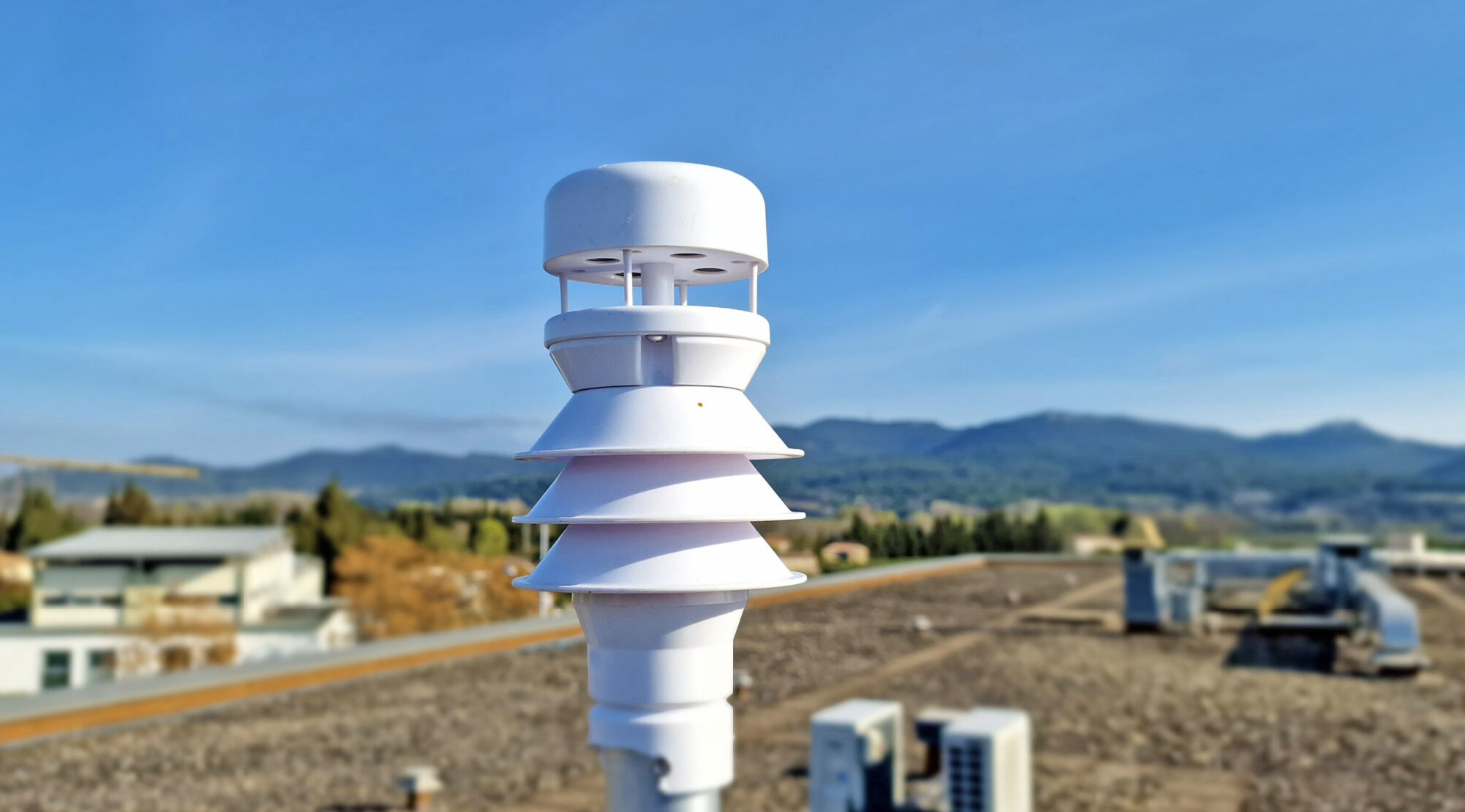
Pollen count measures the concentration of pollen grains per cubic meter of air, tracked by automated sensors using neural network technology from services like Pollen Sense, LLC. When counts are high, allergy sufferers typically experience sneezing, congestion, postnasal drip, itchy and watery eyes, and respiratory irritation. Nearly 70% of Mesa asthmatics report allergens as a major trigger for their symptoms.
Key Pollen Types and Significant Allergen Trends in Mesa
Mesa's desert environment supports diverse pollen sources across three main categories tracked by local monitoring stations. Tree pollen includes oak, ash, mesquite, palo verde, olive, juniper, and mulberry, with oak and juniper being particularly potent allergens. Bermuda grass stands out as the single most important grass allergen in Mesa, joined by perennial ryegrass and Johnson grass. Ragweed dominates the weed category as a highly potent and ubiquitous allergen throughout Arizona, accompanied by Russian thistle, sagebrush, and pigweed.
- Bermuda Grass (Cynodon dactylon): The single most important grass allergen in Mesa, thriving in irrigated lawns and landscaping throughout the desert urban environment
- Ragweed (Ambrosia spp.): Highly potent and ubiquitous weed allergen releasing abundant pollen during late summer and fall across Arizona
- Oak and Juniper Trees: Major tree pollen producers from February through May, with juniper including mountain cedar varieties that are particularly potent allergens
- Mesquite (Prosopis spp.): Native desert tree producing significant pollen from late spring into early summer, adapted to Arizona's arid climate
Urbanization has introduced non-native ornamental species like olive and mulberry trees that increase pollen diversity beyond native desert plants. The combination of Arizona's warm climate, irrigation systems supporting grass growth, and desert winds carrying pollen over long distances creates extended exposure periods. Dry air allows pollen grains to remain airborne longer than in humid climates, while the lack of rain prevents natural washing of allergens from the atmosphere.
Seasonal Pollen Patterns Throughout the Year
Mesa experiences nearly continuous pollen exposure across all seasons, with distinct allergen types dominating different periods.
- Winter/Early Spring (January to February): Allergy season begins as early as January with initial tree pollen from species preparing for spring bloom
- Spring (March to May): Peak allergy season dominated by tree pollen from oak, ash, juniper, mulberry, and mesquite, with March and April being the worst months for allergy sufferers
- Summer (June to July): Tree pollen subsides while grass pollen peaks, particularly Bermuda grass and perennial ryegrass, with moderate overall pollen levels
- Late Summer/Fall (August to November): Weed pollen season brings abundant ragweed and sagebrush allergens, extending through November in Arizona's warm climate
Accessing Daily Pollen Data for Mesa, Arizona
The Pollen Count & Alerts App provides real-time pollen monitoring specifically for Mesa zip codes including 85201 and 85205. Track daily concentrations of tree, grass, weed pollen, and mold spores with automated particulate sensor technology and neural network identification. Receive timely alerts when pollen levels spike so you can plan outdoor activities during safer low-pollen periods.
Effective Strategies for Managing Allergies in Mesa
Implement these evidence-based approaches to minimize allergy symptoms during Mesa's extended pollen season.
- Use the Pollen Count & Alerts App: Monitor real-time pollen levels and receive alerts to plan outdoor activities during low-pollen times throughout the 10-11 month allergy season
- Maintain Indoor Air Quality: Keep windows closed during high pollen days, especially on warm and windy mornings when pollen release peaks
- Practice Personal Hygiene: Shower and change clothes after outdoor exposure to remove pollen from hair and skin, preventing transfer to bedding
- Install HEPA Air Purifiers: Use high-efficiency particulate air filters in bedrooms and main living areas to capture airborne pollen grains and dust particles
- Consult Board-Certified Allergists: Seek professional care from local specialists like Arizona Asthma and Allergy Institute or Arizona Allergy Associates for personalized treatment plans
App Features to Enhance Your Allergy Management
The Pollen Count & Alerts App offers comprehensive tools designed specifically for managing allergies in high-pollen regions like Mesa, Arizona.
- Real-Time Pollen Counts: Access the latest pollen data specific to your Mesa location using automated sensor technology and neural network identification
- Customized Alerts: Receive personalized notifications when pollen levels for your specific allergens reach concerning thresholds in your area
- Accurate Forecasts: View 5-day pollen forecasts for tree, grass, and weed categories to plan ahead for outdoor activities and medication timing
- Educational Content: Learn about local allergen sources including mesquite, Bermuda grass, and ragweed to better understand your triggers
- Intuitive Design: Navigate easily between current conditions, forecasts, and historical trends with a user-friendly interface optimized for daily checking


Learn More About Managing Your Seasonal Allergies
- Understanding Allergy Pollen Counts: Your Comprehensive Guide – Discover how to interpret pollen count levels and develop effective strategies to minimize your exposure during peak allergy seasons.
- Why Are My Allergies So Bad Right Now? | Pollen Count & Alerts App Blog – Explore the environmental and physiological factors that can cause a sudden increase in allergy severity even if you've never had problems before.
- Do Allergies Get Worse as You Age? | Pollen Count & Alerts App Blog – Understand how your immune system and allergy sensitivities evolve throughout different life stages, from childhood through senior years.
Stay updated with the latest tips and insights by visiting the Alert Pollen Blog.
Pollen count in nearby cities
FAQ
When is pollen season in Mesa, Arizona?
Pollen season in Mesa can start as early as January and extend through November, making it nearly year-round. The worst months are March and April when tree pollen from oak, ash, juniper, and mulberry peaks. Grass pollen, particularly Bermuda grass, dominates from May through July, while ragweed and other weed pollen create a second wave of allergies from August through November.
What are the most common allergens in Mesa, Arizona?
The most common allergens in Mesa include tree pollen from oak, ash, mesquite, mulberry, and juniper (peaking February-May), Bermuda grass which is the single most important grass allergen in the area (peaking May-July), and ragweed along with Russian thistle and sagebrush for weed pollen (peaking August-November). Arizona's warm climate and year-round growing season mean residents can experience symptoms from multiple allergen types for 10-11 months of the year.
How can I protect myself from Mesa's high pollen levels?
Monitor daily pollen counts using the Pollen Count & Alerts App to plan outdoor activities when levels are lower, typically after rain or in the early morning before winds pick up. Keep windows closed during peak pollen season (March-April), use HEPA air filters indoors, and shower after spending time outside to remove pollen from your hair and skin. Mesa's dry, windy desert conditions keep pollen airborne longer, so staying informed about daily forecasts is essential for managing symptoms.
Final Thoughts
Living in Mesa means facing one of the longest pollen seasons in the United States, but understanding when and which allergens peak gives you the power to take control of your health. With the right information from the Pollen Count & Alerts App, you can plan your days around pollen forecasts and reduce exposure during the worst periods from March through April and again in late summer.
Download the Pollen Count & Alerts App today to receive personalized alerts and stay one step ahead of Mesa's challenging allergy season.
Take Control of Your Allergies Today
The Pollen Count & Alerts App provides real-time pollen counts specific to Mesa, personalized alerts based on your sensitivity levels, and comprehensive forecasts so you can plan ahead. Whether you're dealing with spring tree pollen, summer grasses, or fall ragweed, our app helps you breathe easier year-round. Download now and experience the difference that localized, accurate pollen data can make in managing your allergies.