Lynchburg sits along the James River in Virginia’s hilly Piedmont, near the Blue Ridge Mountains. Its wooded corridors, neighborhood lawns, and surrounding fields provide sources of tree, grass, and weed pollen. Spring hardwoods, late-spring grasses, and late-summer ragweed create overlapping allergy seasons, with timing shaped by temperatures and frost. This guide explains the main triggers, seasonal patterns, monitoring options, and practical ways to reduce exposure.
Understanding Pollen Counts in Lynchburg
A pollen count measures the concentration of airborne pollen, usually expressed as grains per cubic meter of air, using collected samples examined under a microscope. Commercial pollen forecasts may instead display an index, which is not directly interchangeable with a measured concentration. Higher exposure can cause sneezing, congestion, a runny nose, and itchy or watery eyes in sensitized people, and may worsen allergic asthma.
Lynchburg’s Main Pollen Triggers and Local Trends
The most useful planning windows around Lynchburg are March–May for trees, May–June for the strongest grass activity, and August–October for ragweed. Oak, maple, hickory, walnut, and sycamore are documented along Blackwater Creek. These seasonal estimates combine local vegetation records with Virginia guidance; a verified long-term pollen-count series for Lynchburg itself was not available in the supplied research.
- Tree Pollen: The main planning window is March–May, although redcedar, maple, and elm can begin in February; oak activity is typically strongest in April–early May.
- Grass Pollen: Cool-season grasses generally release pollen from April–July, with the strongest activity in May–June; some warm-season grasses extend exposure into September.
- Ragweed Pollen: Common and giant ragweed contribute to an August–October season, typically strongest in late August–September and sometimes continuing into November before a killing frost.
Climate Central’s 2026 analysis estimates that Lynchburg’s freeze-free growing season lengthened by approximately 11 days between 1970 and 2025. This indicates more potential time for plant growth and pollen release, rather than a measured 11-day increase in pollen exposure. Visible yellow pine dust also does not reliably identify the pollen causing symptoms: pine generally has lower allergenic importance than oak, birch, or grasses.
When to Expect Pollen Throughout the Year
Use these approximate seasonal windows to plan ahead, allowing for shifts caused by warm spells, cool weather, and frost.
- Spring (March–May): Tree pollen dominates, especially oak, maple, birch, and sycamore, while grass pollen increases toward late spring.
- Summer (June–August): Grass pollen remains important in June, some warm-season grasses continue later, and summer weeds overlap with ragweed beginning in August.
- Fall (September–November): Ragweed is a major concern in September and can persist through October or into November until a killing frost.
- Winter (December–February): Pollen activity is generally lower, but eastern redcedar, maple, and elm may begin releasing pollen during February.
Check Daily Pollen Conditions in Lynchburg
Use the Pollen Count & Alerts App for daily monitoring and real-time tracking of tree, grass, weed pollen, and mold spores. Check update times and whether displayed values represent forecasts or observations when planning outdoor activities around Lynchburg.
Practical Ways to Manage Seasonal Allergies
Combine daily monitoring with simple exposure-reduction habits and care tailored to your symptoms.
- Use the Pollen Count & Alerts App: Check current conditions and alerts before walks, yardwork, or outdoor exercise to help choose lower-exposure times.
- Improve Indoor Air Quality: Keep windows closed during high-pollen periods, maintain ventilation filters, and address indoor moisture that encourages mold.
- Practice Personal Hygiene: Change clothes after outdoor activities and shower to remove pollen from your skin and hair, especially before bed.
- Use HEPA Purifiers: Choose a properly sized HEPA air purifier for frequently used rooms and replace filters according to the manufacturer’s instructions.
- Consult an Allergist: Discuss persistent symptoms, possible asthma, and allergy testing to identify your triggers and develop an appropriate treatment plan.
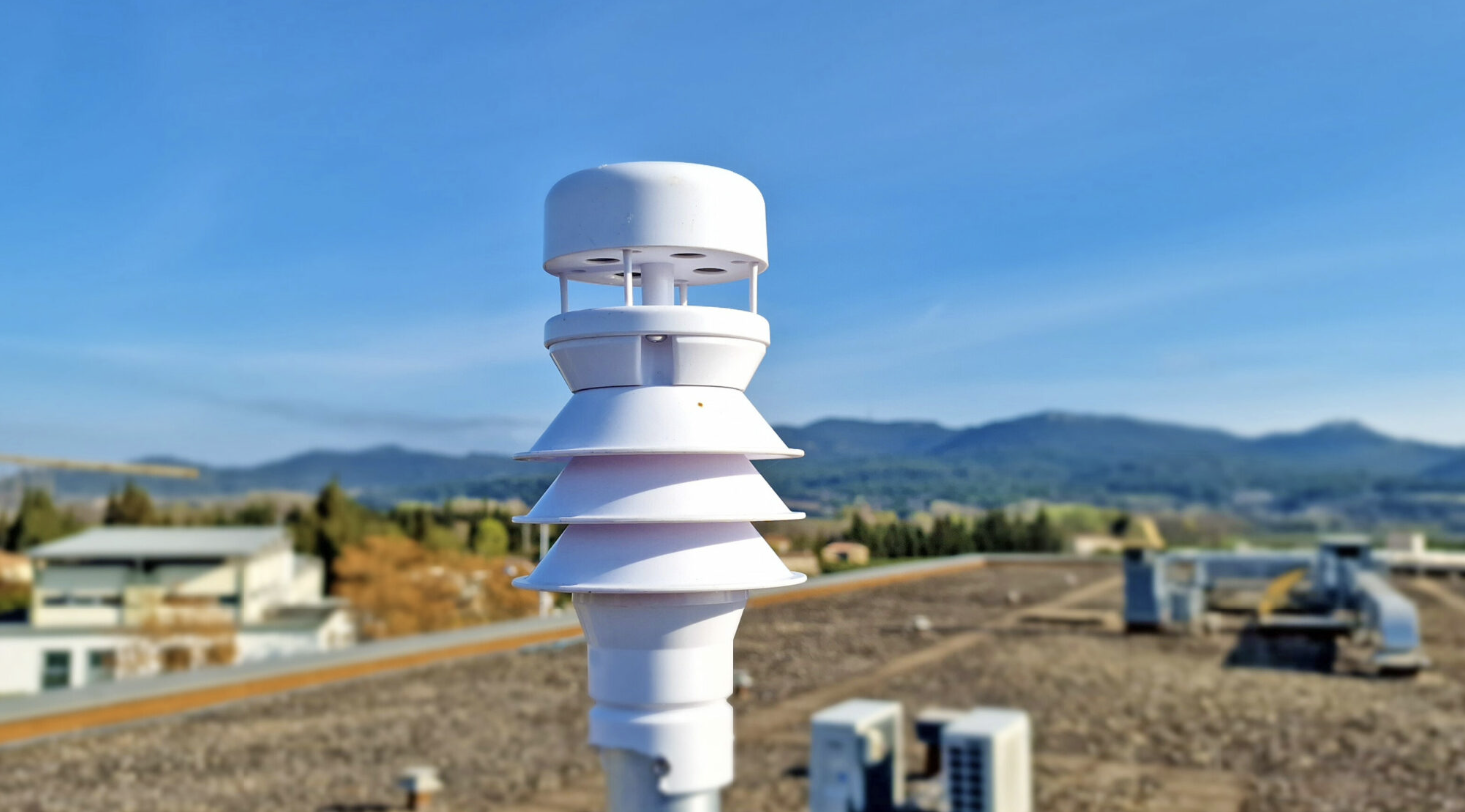
App Features to Support Your Allergy Routine
The Pollen Count & Alerts App brings pollen information, forecasts, and practical guidance together to support daily allergy planning.
- Real-Time Counts: Check the latest available local information for tree, grass, and weed pollen, alongside mold spore conditions.
- Customized Alerts: Use personalized notifications to stay aware of changing conditions relevant to your allergy routine.
- Accurate Forecasts: Use location-based forecasts to help plan outdoor activities, remembering that predictions can change with the weather.
- Educational Content: Learn about seasonal pollen sources, common allergy symptoms, and ways to reduce exposure.
- Intuitive Design: Find daily conditions, forecasts, and alerts in an easy-to-navigate interface.


Explore More Ways to Manage Seasonal Allergies
- Understanding Allergy Pollen Counts: Your Comprehensive Guide – Learn how to interpret pollen counts and use them to guide practical allergy management strategies.
- Why Are My Allergies So Bad Right Now? | Pollen Count & Alerts App Blog – Discover why allergies can suddenly worsen, including changes in exposure, weather, and sensitivity.
- Do Allergies Get Worse as You Age? | Pollen Count & Alerts App Blog – Explore how allergy symptoms and sensitivities can change from childhood through later adulthood.
Stay updated with seasonal allergy tips and insights by visiting the Alert Pollen Blog.
Pollen count in nearby cities
FAQ
When is pollen season in Lynchburg, VA?
Lynchburg’s main tree pollen season runs from March through May, although eastern redcedar, maples, and elms can begin releasing pollen in February. Grass pollen is usually strongest in May and June, with some warm-season grasses continuing into September. Ragweed season generally runs from August through October, often peaking in late August and September and sometimes continuing into November before a killing frost. These are approximate regional planning windows, and local weather can shift their timing.
What are the most common pollen allergens in Lynchburg, VA?
Important tree pollen sources include eastern redcedar, typically strongest in February and March; red maple, sugar maple, boxelder, and American elm, mainly in March and early April; and river birch and American sycamore, generally in April. White oak, scarlet oak, southern red oak, and willow oak usually have their strongest activity in April and early May, followed by hickories and black walnut in late April and May. Relevant grasses include orchardgrass, tall fescue, and Kentucky bluegrass, typically strongest in May and June; timothy often peaks in June and July, while Bermudagrass and Johnsongrass contribute later in summer. Common and giant ragweed are major late-season concerns, generally peaking in late August and September. These approximate regional windows do not establish which species are most abundant in Lynchburg’s air.
How can I reduce pollen exposure while enjoying Lynchburg’s trails and parks?
Before visiting Blackwater Creek or spending time near fields, check the Pollen Count & Alerts App for the pollen types relevant to your allergies, and review the forecast timestamp. On high-pollen or windy days, shorten outdoor activities, keep home and car windows closed, and consider an indoor alternative. After returning home, change clothes and shower to help remove pollen from your skin and hair.
Final Thoughts
Lynchburg’s spring trees, late-spring grasses, and autumn ragweed can make outdoor planning challenging across several seasons. Understanding their approximate timing and checking the Pollen Count & Alerts App can help you plan activities around your sensitivities and changing conditions.
Download the Pollen Count & Alerts App to stay informed and make pollen awareness part of your daily routine in Lynchburg.
Sources
- VCU Health: Seasonal Allergies in Virginia
- Lynchburg Parks & Recreation: Trails of Blackwater Creek
- Climate Central: 2026 Allergy Season Analysis
Take Charge of Your Pollen Planning Today
Use the Pollen Count & Alerts App to access real-time pollen counts, personalized alerts, and comprehensive forecasts. Check the latest updates to plan outdoor activities in Lynchburg and prepare for the pollen types that affect you.