Located in the South Plains region of West Texas, Lubbock experiences a semi-arid climate with humid subtropical characteristics that create unique allergy challenges. The city's position west of I-35 means residents face higher concentrations of juniper and cedar pollen, along with seasonal waves of grass and weed allergens. This guide covers Lubbock's pollen types, seasonal patterns, peak allergy periods, and practical strategies for managing symptoms throughout the year.
Understanding Pollen Count in Lubbock
Pollen count measures the concentration of pollen grains per cubic meter of air, indicating how much allergen exposure residents can expect on any given day. When pollen counts are elevated, allergy sufferers commonly experience sneezing, congestion, itchy eyes, runny nose, and respiratory irritation. Monitoring daily pollen levels helps you plan outdoor activities and take preventive measures before symptoms worsen.
Key Pollen Types and Recent Trends in Lubbock
Lubbock faces a nearly year-round allergy challenge driven by three major pollen categories: trees, grasses, and weeds. Mountain cedar and Ashe juniper dominate the winter months, causing the severe allergic reaction known as cedar fever that affects many West Texas residents. Experts warn that 2025 is anticipated to be an exceptionally challenging year for allergies, with pollen levels expected to reach new record highs due to climate change impacts and warmer winters lengthening pollen seasons.
- Mountain Cedar and Ashe Juniper: The dominant winter allergen from mid-December through February, causing cedar fever with peak concentrations in mid-January
- Tree Pollen (Oak, Elm, Mesquite): Reaches absolute peak in early April, with species including oak, ash, box elder, hackberry, sycamore, walnut, hickory, pecan, and mulberry
- Bermuda Grass: Major summer allergen from May through July, thriving in Lubbock's arid climate and dry desert environment
- Ragweed and Pigweed: Primary fall allergens from late summer through October, along with Russian thistle and tumbleweed abundant in the Southwest desert landscape
West Texas experiences a shorter allergy season compared to humid regions of the state, with lighter overall weed pollen concentrations due to fewer plants and less grass pollen due to the drier climate. However, the region's wind, heat, and dust propel widespread pollen distribution throughout Lubbock, while synchronized blooming periods of drought-tolerant flora create concentrated pollen bursts that can trigger intense symptoms.
Seasonal Pollen Patterns in Lubbock
Lubbock's pollen calendar follows four distinct seasonal patterns throughout the year.
- Winter (December to February): Dominated by mountain cedar and juniper pollen, with peak cedar fever season triggered by cold fronts from mid-December through February
- Spring (March to May): Tree pollen reaches its absolute peak in early April, with oak, ash, mesquite, pecan, and other species releasing allergens from February through May
- Summer (May to July): Grass pollen peaks during this period, with Bermuda grass particularly active due to Lubbock's warm, arid conditions
- Fall (August to October): Weed pollen from ragweed and pigweed dominates, along with unique cedar elm tree pollen and Russian thistle during late summer through October
Access Daily Pollen Data in Lubbock
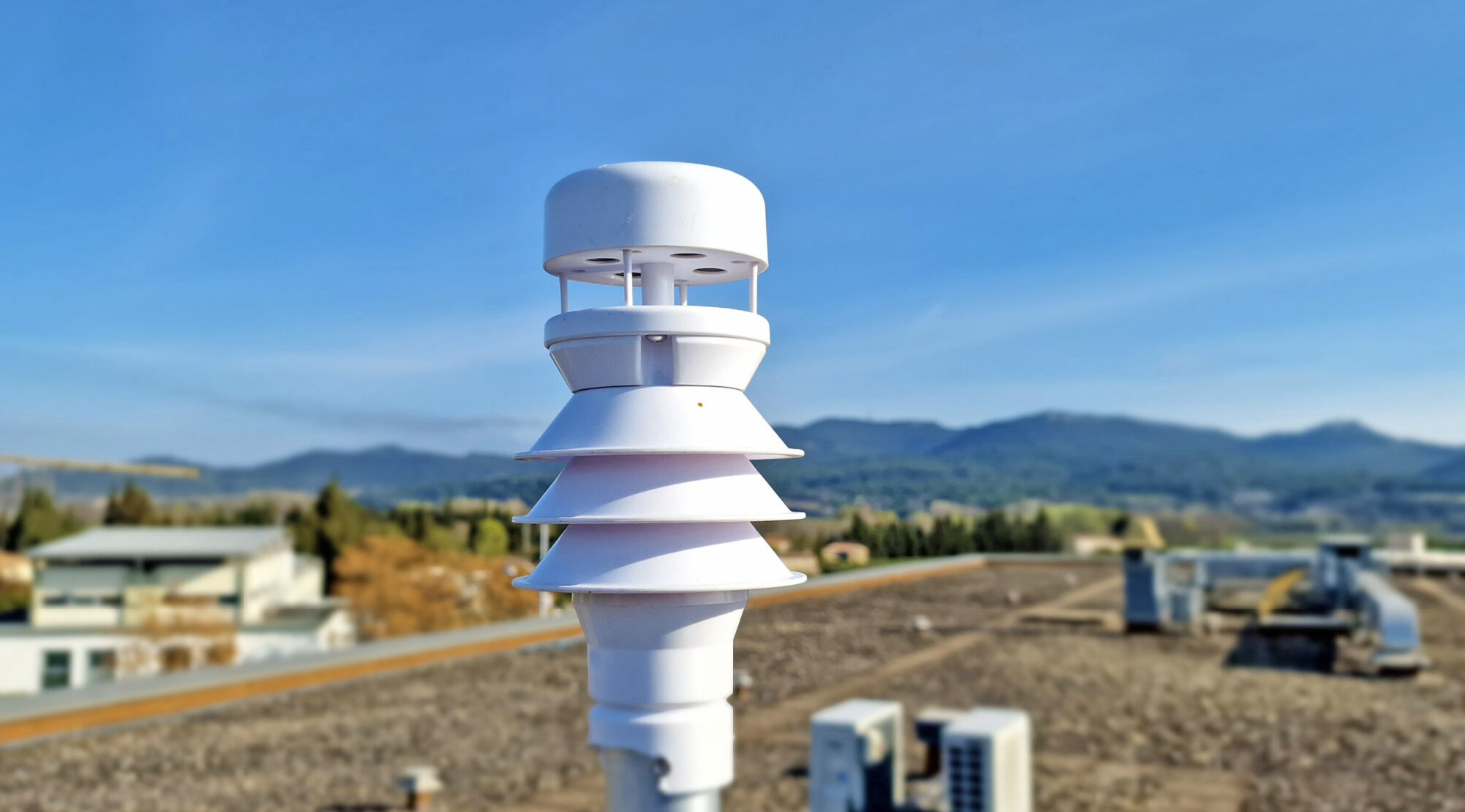
The Pollen Count & Alerts App provides real-time pollen monitoring specifically for Lubbock, tracking tree, grass, weed, and mold spore levels throughout the day. With automated particulate sensor technology and AI-powered species identification, you receive accurate, location-specific forecasts that help you plan your outdoor activities during low-pollen times. Stay informed about daily fluctuations and receive alerts when pollen counts spike in your neighborhood.
Effective Allergy Management Strategies for Lubbock Residents
These practical tips can help you minimize pollen exposure and reduce allergy symptoms year-round.
- Use the Pollen Count & Alerts App: Monitor real-time pollen levels and receive alerts to plan outdoor activities during low-pollen times
- Improve Indoor Air Quality: Keep windows closed during peak pollen seasons, especially on windy days when allergens spread throughout the region
- Practice Personal Hygiene: Shower and change clothes after outdoor activities to remove pollen from skin and hair, and wash bedding weekly in hot water
- Install HEPA Air Purifiers: Use high-efficiency particulate air filters in bedrooms and living spaces to capture airborne pollen grains and mold spores
- Consult an Allergist: Visit local specialists like AllerVie Health, Allergy & Asthma Clinic of West Texas, or West Texas Allergy for personalized treatment plans
App Features to Enhance Your Allergy Management
The Pollen Count & Alerts App offers comprehensive tools designed specifically for managing allergies in Lubbock and throughout West Texas.
- Real-Time Pollen Counts: Access the latest pollen data specific to your Lubbock location, updated throughout the day with automated sensor technology
- Customized Alerts: Receive notifications when pollen levels rise in your area, so you can take preventive action before symptoms start
- Accurate Forecasts: Plan days ahead with reliable predictions for tree, grass, weed, and mold spore levels based on local weather conditions
- Educational Content: Learn about specific allergens affecting Lubbock, including mountain cedar, Bermuda grass, and ragweed, plus their peak seasons
- Intuitive Design: Navigate easily through pollen data, forecasts, and health tips with a user-friendly interface built for daily use


Explore More on Managing Seasonal Allergies
- Understanding Allergy Pollen Counts: Your Comprehensive Guide – Learn how to interpret pollen count levels and discover evidence-based strategies to reduce allergy symptoms throughout the year.
- Why Are My Allergies So Bad Right Now? | Pollen Count & Alerts App Blog – Discover the factors that cause sudden increases in allergy severity, from climate change impacts to unexpected environmental triggers.
- Do Allergies Get Worse as You Age? | Pollen Count & Alerts App Blog – Understand how your immune system and allergy responses evolve over your lifetime, including why some allergies disappear while others emerge.
Stay updated with the latest tips and insights by visiting the Alert Pollen Blog.
Pollen count in nearby cities
FAQ
When is pollen season in Lubbock, TX?
Lubbock experiences a nearly year-round pollen challenge with distinct seasonal peaks. The most severe period is December through February when mountain cedar (juniper) causes "cedar fever," followed by spring tree pollen from March to May, grass pollen peaking May through July, and weed pollen dominating August through October. The semi-arid climate creates concentrated pollen bursts, with early April typically marking the absolute peak for tree pollen.
What are the most common allergens in Lubbock, TX?
The dominant allergen in Lubbock is mountain cedar or Ashe juniper, which causes severe "cedar fever" from mid-December through February with peaks in mid-January. Other major allergens include oak trees in spring, Bermuda grass thriving in the arid climate from May to July, and ragweed along with Russian thistle (tumbleweed) during late summer and fall. Cedar elm is unique to the region as a fall-blooming tree from August to October, while mold spores remain problematic year-round, especially during summer warmth.
How can the Pollen Count & Alerts App help me manage allergies in Lubbock's challenging climate?
The Pollen Count & Alerts App provides real-time pollen monitoring specific to Lubbock's unique allergen profile, including cedar fever season and the region's distinctive fall cedar elm blooms. By receiving personalized alerts before high pollen days, you can plan outdoor activities strategically, adjust medications proactively, and minimize exposure during Lubbock's intense wind-driven pollen distribution periods. The app's comprehensive forecasts help you stay ahead of the nearly year-round allergy challenges characteristic of West Texas.
Final Thoughts
Living in Lubbock means facing unique allergy challenges from cedar fever to year-round pollen exposure, but understanding the seasonal patterns and dominant allergens empowers you to take control of your health. With the right information about when mountain cedar, oak, Bermuda grass, and ragweed reach their peaks, you can proactively manage symptoms rather than simply reacting to them. The Pollen Count & Alerts App puts this critical local data at your fingertips, helping you navigate Lubbock's demanding allergy landscape with confidence.
Don't let allergies dictate your quality of life in West Texas—download the Pollen Count & Alerts App today and gain the personalized, real-time insights you need to breathe easier year-round.
Take Control of Your Allergies Today
The Pollen Count & Alerts App delivers real-time pollen counts tailored to Lubbock's specific allergen profile, personalized alerts that notify you before high pollen days, and comprehensive forecasts covering cedar, tree, grass, and weed pollen throughout all seasons. Download now to transform how you manage allergies in the challenging West Texas environment.