Leicester, located in the heart of the East Midlands, experiences a temperate maritime climate that supports diverse vegetation across its 130+ parks and 16% tree canopy coverage. This urban environment creates unique pollen challenges, with approximately 26% of local adults affected by hay fever and seasonal allergies. This comprehensive guide covers Leicester's pollen types, seasonal patterns, monitoring resources, and practical strategies to help you navigate allergy season with confidence.
Understanding Pollen Count in Leicester
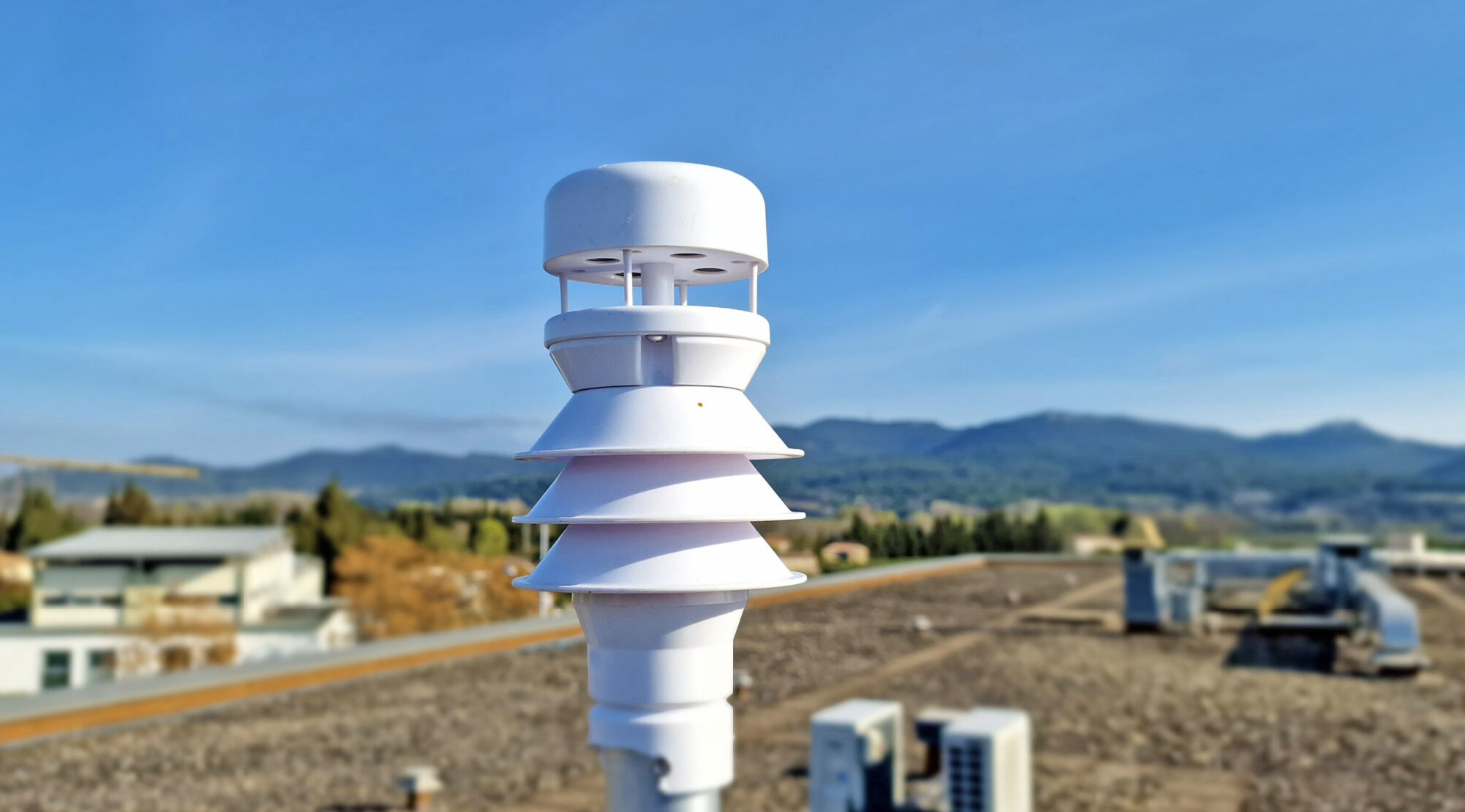
Pollen count measures the concentration of pollen grains per cubic meter of air, providing crucial information for allergy sufferers. When pollen levels are high, individuals may experience symptoms including runny nose, sneezing, itchy eyes, congestion, and in severe cases, asthma attacks. The University of Leicester's advanced Swisens Poleno Jupiter monitoring system delivers real-time pollen data, enabling residents to make informed decisions about outdoor activities and medication use.
Key Pollen Types and Recent Trends in Leicester
Leicester's extensive urban greenery produces significant levels of tree, grass, and weed pollen throughout the year. Based on over 20 years of monitoring data, birch pollen remains the most allergenic tree species, affecting approximately 25% of the UK population, while grass pollen impacts 95% of hay fever sufferers. Recent research shows that hay fever cases have tripled in the last 20 years, with hospital visits for pollen-induced allergic rhinitis increasing 20-fold between 2002/03 and 2023/24.
- Birch Pollen: Affects approximately 25% of the population, with allergenic threshold at 45 grains per cubic meter triggering increased medication use
- Grass Pollen: Impacts 95% of hay fever sufferers and correlates with increased asthma hospitalizations during peak June levels
- Oak Pollen: Abundant in Leicester's parks including Abbey Park with 33,000+ trees, flowering starting earlier due to climate change
- Mugwort and Plantain Pollen: Highly allergenic weed species peaking in October with allergenic thresholds documented for Artemisia species
Climate change is significantly impacting Leicester's pollen seasons, with urban heat island effects contributing to earlier flowering times, longer pollen seasons, and increased pollen production. Warmer June and July temperatures particularly influence birch pollen production in subsequent years, while rising CO2 levels in urban environments enhance overall pollen output across all species.
Seasonal Pollen Patterns in Leicester
Leicester experiences distinct pollen seasons throughout the year, with each season dominated by different allergen sources.
- Spring (Late March to Mid-May): Tree pollen season dominated by birch, alder, hazel, oak, ash, and plane, with first pollen appearing as early as February
- Summer (Late May to July): Peak grass pollen season with highest levels in June, affecting the majority of hay fever sufferers with two distinct peaks
- Autumn (Mid-July to Late September): Weed pollen season featuring mugwort, plantain, dock, nettle, and ragweed, with peak levels occurring in October
- Winter (November to February): Minimal pollen activity with occasional early hazel and alder pollen detected in mild February weather
Access Daily Pollen Data for Leicester
The Pollen Count & Alerts App provides Leicester residents with accurate, real-time pollen monitoring across all major allergen types. Track tree, grass, weed, and mold spore levels specific to your location, with data powered by the University of Leicester's cutting-edge monitoring technology. Receive personalized alerts during high pollen days to plan your activities and manage symptoms proactively.
Effective Allergy Management Strategies for Leicester Residents
Taking proactive steps can significantly reduce pollen exposure and alleviate allergy symptoms throughout Leicester's extended pollen season.
- Use the Pollen Count & Alerts App: Monitor real-time pollen levels and receive alerts to plan outdoor activities during low-pollen times and adjust medication schedules
- Maintain Indoor Air Quality: Keep windows closed during high pollen periods, particularly on warm, dry, and windy days when airborne pollen levels peak
- Practice Personal Hygiene: Shower and change clothes after outdoor activities to remove pollen from skin and hair, and wash bedding regularly during peak seasons
- Install HEPA Air Purifiers: Use high-efficiency particulate air filters indoors to remove pollen particles and create allergen-free zones in bedrooms and living spaces
- Consult an Allergist: Seek professional diagnosis and treatment options including immunotherapy, as 80% of asthmatics are also affected by pollen allergies
App Features to Enhance Your Allergy Management in Leicester
The Pollen Count & Alerts App offers comprehensive features designed specifically for Leicester residents to navigate allergy season with confidence.
- Real-Time Pollen Counts: Access the latest pollen data specific to Leicester, updated continuously through advanced monitoring technology
- Customized Alerts: Receive personalized notifications when pollen levels reach thresholds that may trigger your specific allergy symptoms
- Accurate Forecasts: Plan ahead with multi-day pollen forecasts covering tree, grass, weed, and mold spore predictions for the Leicester area
- Educational Content: Learn about specific allergens, cross-reactivity with foods, and evidence-based management strategies for seasonal allergies
- Intuitive Design: Navigate easily through pollen data, historical trends, and seasonal patterns with a user-friendly interface designed for daily use


Learn More About Managing Your Pollen Allergies
- Understanding Allergy Pollen Counts: Your Comprehensive Guide – Discover how to interpret pollen count levels and adjust your daily routine to minimize allergy symptoms throughout the season.
- Why Are My Allergies So Bad Right Now? | Pollen Count & Alerts App Blog – Understand the factors that can cause your seasonal allergies to intensify unexpectedly, from climate change to urban pollution.
- Do Allergies Get Worse as You Age? | Pollen Count & Alerts App Blog – Explore how pollen sensitivity evolves throughout your lifetime and why allergies may appear or disappear at different life stages.
Stay informed with expert advice and seasonal updates by reading the Alert Pollen Blog.
Pollen count in nearby cities
FAQ
When is pollen season in Leicester?
Leicester's pollen season runs from late March through late August, with distinct phases throughout. Tree pollen peaks in April and May (especially birch, oak, and alder), grass pollen reaches its highest levels in June, and weed pollen dominates from mid-July to late August. Due to Leicester's urban environment and climate trends, pollen seasons are starting earlier and lasting longer than in previous decades.
What are the most common pollen allergens in Leicester?
Grass pollen is the most significant allergen in Leicester, affecting 95% of hay fever sufferers with peak levels in June. Silver birch is the most allergenic tree species, impacting around 25% of the UK population during its April-May peak. Other major allergens include alder, hazel, and oak from Leicester's extensive tree coverage (33,000+ trees in Abbey Park alone), plus weeds like mugwort and English plantain that peak in late summer.
How can I protect myself from Leicester's high pollen levels?
Monitor real-time pollen counts from the University of Leicester's advanced monitoring system through the Pollen Count & Alerts App, which provides daily updates specific to the area. Plan outdoor activities for after rainfall when pollen levels drop, and stay indoors during peak pollen hours (typically early morning and evening). Keep windows closed during high-count days, especially in Leicester's urban areas where pollen seasons last longer and concentrations can be higher than in rural regions.
Final Thoughts
Living in Leicester means navigating a challenging pollen environment, from the city's 16% tree canopy and 130+ parks to the urban heat effects that extend pollen seasons. However, with accurate real-time monitoring from the University of Leicester's advanced Poleno system and tools like the Pollen Count & Alerts App, you can stay ahead of pollen peaks and manage your symptoms effectively. Understanding your local pollen patterns empowers you to enjoy Leicester's green spaces while protecting your health.
Take control of your allergy season by downloading the Pollen Count & Alerts App today. Get Leicester-specific pollen forecasts, personalized alerts, and the information you need to breathe easier all year long.
Take Action Against Pollen Allergies Today
The Pollen Count & Alerts App delivers real-time pollen counts specific to Leicester, personalized alerts based on your sensitivities, and comprehensive forecasts covering tree, grass, and weed pollen throughout the season. Whether you're one of the 26% of UK adults with hay fever or managing pollen-triggered asthma, this app gives you the daily insights needed to plan ahead and minimize symptoms. Download now and experience a more comfortable pollen season.