Lansing, Michigan's continental climate and diverse vegetation create an extensive allergy season spanning late March through mid-November. The capital city experiences distinct pollen phases driven by oak, birch, and maple trees in spring, grasses during summer, and ragweed dominating fall. This guide covers Lansing's pollen types, seasonal patterns, monitoring resources, and effective management strategies to help residents navigate the region's significant allergen exposure.
Understanding Pollen Count in Lansing, MI
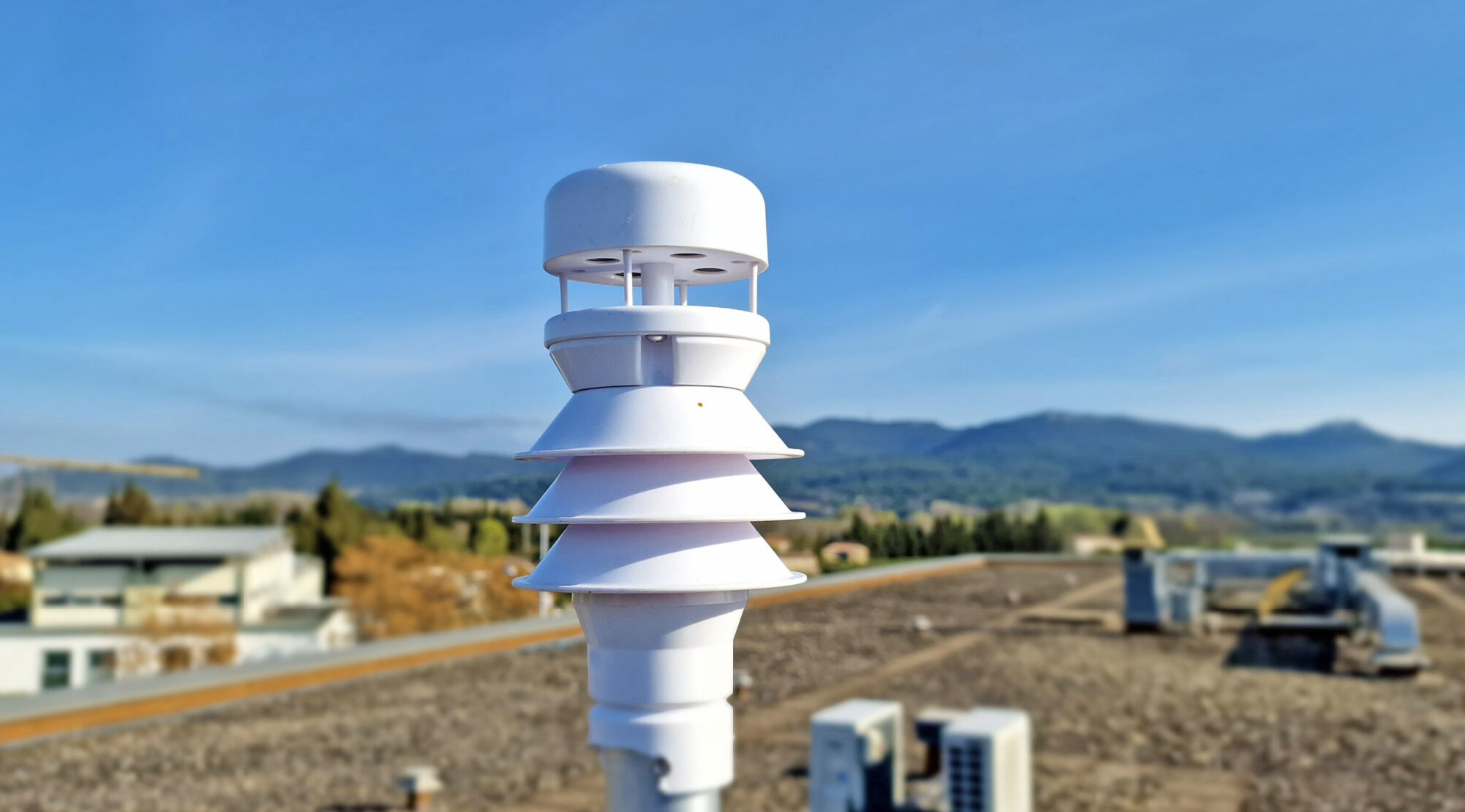
Pollen count measures the concentration of pollen grains per cubic meter of air, collected using automated particulate sensors with neural network algorithms to identify individual species. When levels are high, sensitive individuals may experience runny nose, sneezing, itchy watery eyes, sinus infections, and asthma symptoms. Local monitoring stations track tree, grass, and weed pollen daily to help residents anticipate exposure risks.
Key Pollen Types and Recent Trends in Lansing
Lansing's location in southern Michigan creates exposure to three major allergen categories throughout the year. Tree pollen from oak, birch, and maple dominates spring months with peak levels in April and May. Summer brings grass pollen from Timothy, ryegrass, and fescue species with concentrations peaking in late June through early July. Ragweed emerges as the most significant fall allergen, with pollen release beginning in late August and continuing until the first frost.
- Oak, Birch, and Maple Tree Pollen: Dominate spring allergy season from late March through early June, with peak concentrations occurring in April and May
- Grass Pollen: Timothy, ryegrass, and fescue species create elevated pollen counts from late May through mid-July, peaking in late June
- Ragweed Pollen: The dominant fall allergen, releasing pollen from late August through first frost, with September representing peak exposure months
- Weed Pollen Complex: Includes wormwood, nettle, and pigweed species contributing to fall allergen loads alongside ragweed
Morning hours present the highest pollen concentrations as plants release pollen at first light, with cooler and more humid conditions allowing grains to travel greater distances. Michigan's 8.8% adult asthma prevalence and increasing hospitalization rates since 2000 reflect the significant health impact of these allergens, with women experiencing disproportionately higher rates at 12.6% compared to 7.0% for men.
Seasonal Pollen Patterns in Lansing
Lansing experiences three distinct pollen seasons aligned with plant reproductive cycles throughout the year.
- Spring (Late March to Early June): Dominated by tree pollen from oak, birch, maple, ash, hickory, cedar, and willow, with peak concentrations in April and May
- Summer (Late May to Mid-July): Grass pollen from Timothy, ryegrass, bent grass, fescue, and Bermuda grass reaches peak levels in late June through early July
- Fall (Late August to November): Ragweed pollen becomes the primary allergen, peaking in September and continuing until first frost in October or November
- Winter (December to February): Minimal outdoor pollen activity, though indoor allergens like mold spores and dust mites may affect sensitive individuals
Accessing Daily Pollen Data in Lansing, MI
The Pollen Count & Alerts App provides Lansing residents with real-time pollen monitoring for tree, grass, weed, and mold spore counts specific to your location. Automated particulate sensors using neural network algorithms identify individual pollen species and calculate daily concentrations measured in grains per cubic meter. Stay informed about current conditions and receive personalized alerts to plan outdoor activities during low-pollen periods.
Effective Allergy Management Strategies for Lansing Residents
Implementing these evidence-based strategies can significantly reduce pollen exposure and alleviate allergy symptoms.
- Use the Pollen Count & Alerts App: Monitor real-time pollen levels and receive alerts to plan outdoor activities during low-pollen times, particularly avoiding early morning hours when concentrations peak
- Maintain Indoor Air Quality: Keep windows closed during high pollen days, use air conditioning with clean filters, and run HEPA air purifiers to remove airborne allergens from living spaces
- Practice Personal Hygiene: Shower and wash hair before bed to remove pollen from skin and hair, change clothes after outdoor activities, and leave shoes at the door
- Install HEPA Filtration Systems: Use high-efficiency particulate air purifiers in bedrooms and main living areas to capture pollen grains and reduce indoor allergen concentrations
- Consult with an Allergist: Seek professional evaluation for persistent symptoms, consider allergy testing to identify specific triggers, and explore immunotherapy options for long-term relief
App Features to Enhance Your Allergy Management
The Pollen Count & Alerts App delivers comprehensive tools designed specifically for Lansing residents managing seasonal allergies.
- Real-Time Pollen Counts: Access the latest pollen data specific to Lansing, including tree, grass, weed, and mold spore concentrations measured in grains per cubic meter
- Customized Alerts: Receive personalized notifications when pollen levels reach thresholds that trigger your symptoms, allowing proactive allergy management
- Accurate Forecasts: View multi-day pollen forecasts based on weather patterns, plant phenology, and historical data to plan activities in advance
- Educational Content: Learn about specific allergens affecting Lansing, including oak, birch, ragweed, and grass species, plus symptom management strategies
- Intuitive Design: Navigate easily through location-specific data, visual graphs showing pollen trends, and actionable recommendations for daily allergy control


Learn More About Managing Your Allergies
- Understanding Allergy Pollen Counts: Your Comprehensive Guide – Discover how to interpret pollen count levels and implement effective strategies to minimize your exposure during peak allergy seasons.
- Why Are My Allergies So Bad Right Now? | Pollen Count & Alerts App Blog – Understand the environmental and biological factors that can cause your allergy symptoms to intensify unexpectedly throughout the year.
- Do Allergies Get Worse as You Age? | Pollen Count & Alerts App Blog – Learn why your body's response to allergens can shift over time and what changes to expect as you age.
Stay updated with the latest tips and insights by visiting the Alert Pollen Blog.
Pollen count in nearby cities
FAQ
When is pollen season in Lansing, MI?
Pollen season in Lansing typically runs from late March through mid-November, with three distinct phases. Tree pollen (oak, birch, and maple) dominates from April through May, grass pollen peaks in June and early July, and ragweed drives fall allergies throughout September. The most challenging months for allergy sufferers are May, June, and September when pollen counts reach their highest levels.
What are the most common allergens in Lansing, MI?
The most significant allergens in Lansing include oak, birch, and maple trees in spring (April-May), Timothy grass and ryegrass during summer (late May through mid-July), and ragweed in fall (late August through October). Other notable contributors include cedar, ash, willow, and cottonwood trees, along with various grass species like fescue and Bermuda grass, and fall weeds including mugwort, nettle, and pigweed. Ragweed remains the dominant allergen during the fall season, continuing until the first frost in October or November.
How can I protect myself from pollen in Lansing and use the app effectively?
Monitor daily pollen counts through the Pollen Count & Alerts App to plan outdoor activities during lower-count periods, typically in the evening rather than early morning when pollen release peaks. Stay indoors on high-count days, keep windows closed during peak pollen hours, and enable personalized alerts to receive advance warnings about elevated levels of your specific allergens. After spending time outdoors, shower and change clothes to remove pollen particles and prevent indoor exposure.
Final Thoughts
Living in Lansing means navigating an eight-month allergy season with multiple pollen peaks, but understanding when and which allergens affect you most makes all the difference. With the Pollen Count & Alerts App, you can stay ahead of pollen fluctuations and take control of your seasonal allergies. Knowledge is your best defense against oak, grass, and ragweed throughout the year.
Download the Pollen Count & Alerts App today to receive real-time updates and personalized alerts tailored to Lansing's unique pollen patterns. Take charge of your health and enjoy more symptom-free days.
Take Control of Your Allergies Today
The Pollen Count & Alerts App delivers real-time pollen counts for Lansing, personalized alerts for your specific allergens, and comprehensive forecasts to help you plan your days. Whether you're dealing with spring tree pollen, summer grasses, or fall ragweed, our app keeps you informed and prepared. Download now and breathe easier all season long.