Hobart, the capital of Tasmania, features a cool temperate oceanic climate and sits surrounded by native forests, yet experiences unique pollen challenges dominated by introduced European species rather than native vegetation. With Tasmania recording Australia's highest asthma rate at 13.4% of the population, understanding local pollen patterns is essential for the 44,820 Tasmanians who reported respiratory symptoms during recent monitoring periods. This guide covers Hobart's key pollen types, seasonal patterns, peak allergy periods from October to December, and effective management strategies using real-time monitoring tools.
Understanding Pollen Count in Hobart
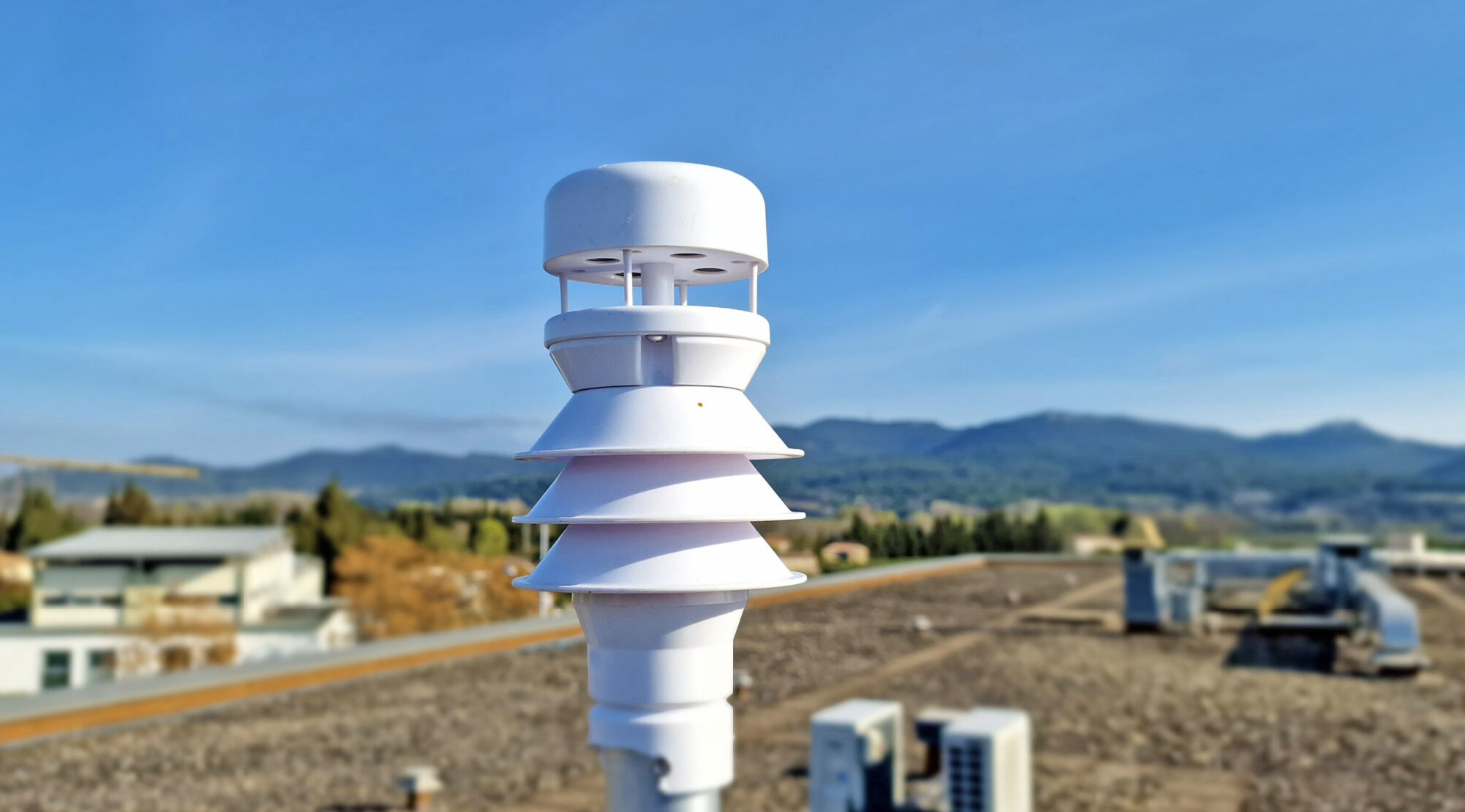
Pollen count measures the concentration of pollen grains per cubic meter of air, with levels recorded by specialized monitoring equipment at sites including Sandy Bay and updated every 10 minutes. When concentrations reach 50 grains per cubic meter, the relative risk of respiratory symptoms increases to 1.31, with effects persisting for up to three days following exposure. Common symptoms during high pollen periods include sneezing, nasal congestion, itchy eyes, throat irritation, coughing, and worsening asthma symptoms.
Key Pollen Types and Allergen Trends in Hobart
Hobart's airborne pollen profile is dominated by introduced European species rather than native Australian plants, creating a unique allergen landscape. Research from 2015-2019 identified the top six pollen types as Betula (birch), Cupressaceae (cypress family), Myrtaceae (eucalyptus), Salix (willow), Poaceae (grasses), and Ulmus (elm), with Poaceae and Cupressaceae together comprising over 50% of total airborne pollen throughout the year.
- Betula (Silver Birch) Pollen: Introduced European species showing inordinately high levels compared to other Australian cities, with an incidence rate ratio of 1.04 for respiratory symptoms
- Poaceae (Grass) Pollen: Northern Hemisphere temperate grasses producing single peak patterns from November to January, with an incidence rate ratio of 1.05 for symptom reports
- Cupressaceae (Cypress Family) Pollen: Including junipers and cedars with an incidence rate ratio of 1.02, accounting for significant year-round allergen exposure alongside grasses
- Myrtaceae (Eucalyptus) Pollen: Native Australian species peaking across summer months from December to February, with an incidence rate ratio of 1.06 for respiratory impacts
Climate change is intensifying these trends by affecting pollen seasonality, production volume, atmospheric concentration, allergenicity levels, and geographic distribution of allergenic plants. The synergistic effects of pollen combined with high PM2.5 air pollution concentrations significantly increase respiratory health risks, particularly during Hobart's peak pollen season when thunderstorm asthma events can occur.
Seasonal Pollen Patterns in Hobart
Hobart's cool temperate climate creates distinct seasonal pollen patterns with a concentrated spring and summer peak period.
- Spring (September to November): Pollen season begins in September with strong seasonal onset, progressing to peak grass and tree pollen activity in October and November from Poaceae, Betula, and Cupressaceae species
- Summer (December to February): Grass pollen reaches Tasmanian peak levels in late November and December, Dodonaea shows a brief defined peak in December, and Myrtaceae continues peaking across all summer months
- Autumn (March to May): Plantain continues flowering from its August start through May with declining overall pollen levels as the season progresses toward winter
- Winter (June to August): Lower overall pollen activity with Plantain beginning its flowering cycle in August and Casuarina producing pollen year-round at reduced concentrations
Access Daily Pollen Data for Hobart
The Pollen Count & Alerts App provides real-time pollen monitoring specifically for Hobart, tracking concentrations of tree pollen including birch and cypress, grass pollen from introduced temperate species, weed pollen such as plantain, and mold spores throughout the year. With data updated every 10 minutes from AirRater monitoring stations at Sandy Bay, you can access the most current information to plan your daily activities during peak pollen periods from October through December. Stay informed with location-specific forecasts that help you manage exposure during Hobart's single-peak grass pollen season and extended tree pollen activity.
Effective Allergy Management Strategies for Hobart Residents
Managing pollen allergies in Hobart requires proactive monitoring and practical prevention strategies tailored to the October through December peak season.
- Use the Pollen Count & Alerts App: Monitor real-time pollen levels updated every 10 minutes from Hobart monitoring sites and receive alerts to plan outdoor activities during low-pollen times, especially critical during the October to December peak period
- Maintain Indoor Air Quality: Keep windows closed during peak pollen hours in spring and summer, particularly when birch and grass pollen concentrations are highest, and clean surfaces regularly to remove settled pollen particles
- Practice Personal Hygiene After Outdoor Exposure: Shower and wash hair before bed to remove pollen grains, change clothes after being outdoors during high-pollen days, and avoid hanging laundry outside during October through December
- Install HEPA Air Purifiers: Use high-efficiency particulate air filters in bedrooms and living areas to capture airborne pollen particles from birch, cypress, grasses, and eucalyptus, reducing indoor allergen concentrations throughout the pollen season
- Consult an Allergist for Personalized Treatment: Seek professional testing to identify specific sensitivities to Hobart's dominant allergens including Betula, Poaceae, Cupressaceae, and Myrtaceae, and discuss immunotherapy options or targeted medication for Tasmania's extended pollen season
App Features to Enhance Your Allergy Management in Hobart
The Pollen Count & Alerts App delivers comprehensive pollen monitoring tools designed specifically for managing allergies in Hobart's unique introduced-species-dominated environment.
- Real-Time Pollen Counts: Access the latest pollen data updated every 10 minutes from Hobart monitoring stations, tracking birch, cypress, grass, eucalyptus, and weed pollen concentrations specific to your location
- Customized Pollen Alerts: Receive personalized notifications when pollen levels for your specific allergens reach thresholds that trigger symptoms, helping you prepare for peak exposure periods from October through December
- Accurate Multi-Day Forecasts: Plan ahead with reliable pollen predictions that account for Hobart's single-peak grass pollen pattern, extended tree pollen season, and the multi-day persistence of respiratory symptoms following exposure
- Educational Allergen Content: Learn about Hobart's dominant introduced European species including silver birch and cypress, native allergens like Myrtaceae, seasonal patterns, cross-reactivity between plantain and Paterson's curse, and climate change impacts
- Intuitive User-Friendly Design: Navigate easily through pollen type breakdowns, historical concentration data, symptom tracking features, and AirRater integration for comprehensive allergy management throughout Tasmania's year-round pollen season


Learn More About Managing Your Pollen Allergies
- Understanding Allergy Pollen Counts: Your Comprehensive Guide – Discover how to interpret pollen count levels and develop effective strategies to minimize your allergy symptoms throughout the season.
- Why Are My Allergies So Bad Right Now? | Pollen Count & Alerts App Blog – Understand the various factors that can cause your allergies to suddenly intensify, including weather changes, air quality, and pollen concentration spikes.
- Do Allergies Get Worse as You Age? | Pollen Count & Alerts App Blog – Explore how your body's allergic responses evolve over your lifetime and what you can expect as you age.
Stay updated with the latest tips and insights by visiting the Pollen Count & Alerts Blog.
Pollen count in nearby cities
FAQ
When is pollen season in Hobart, Tasmania?
Hobart's main pollen season runs from October through December, with the highest concentrations occurring during spring and early summer. Grass pollen (Poaceae) typically peaks in late November to December, while tree pollen from birch (Betula) and cypress (Cupressaceae) is most abundant throughout October and November. The pollen season begins in September as spring starts, with some allergenic plants like plantain flowering as early as August.
What are the most common pollen allergens in Hobart?
The most significant pollen allergens in Hobart are introduced European species, including grasses (Poaceae), silver birch trees (Betula pendula), and cypress family trees (Cupressaceae), which together account for over 50% of total airborne pollen throughout the year. Other important allergens include eucalyptus (Myrtaceae), elm (Ulmus), willow (Salix), English plantain (Plantago lanceolata), and Paterson's Curse (Echium plantagineum). Despite Hobart's proximity to native habitats, European ornamental trees and introduced grasses dominate the urban pollen profile, with native plants playing only a minor role as allergen sources.
How can I protect myself from pollen allergies in Hobart using real-time information?
The Pollen Count & Alerts App provides real-time pollen monitoring data from Hobart's AirRater stations, which update every 10 minutes and identify over 25 different pollen species. By checking daily forecasts and setting personalized alerts, you can plan outdoor activities on lower pollen days and take preventive medications before high-count periods, particularly during the October-December peak season. This is especially important in Tasmania, which has Australia's highest asthma rate at 13.4% of the population.
Final Thoughts
Living with pollen allergies in Hobart presents unique challenges, particularly given Tasmania's distinction as having Australia's highest asthma rates and the dominance of highly allergenic introduced European species like birch and cypress. However, armed with knowledge about peak seasons and access to real-time monitoring through the Pollen Count & Alerts App, you can take control of your allergy management and enjoy Hobart's beautiful spring and summer months with greater confidence.
Download the Pollen Count & Alerts App today to receive personalized alerts based on Hobart's local pollen monitoring stations and stay one step ahead of your allergies.
Take Control of Your Allergies Today
The Pollen Count & Alerts App delivers real-time pollen counts from monitoring stations across Hobart and Tasmania, personalized alerts for the specific allergens that affect you, and comprehensive 5-day forecasts to help you plan ahead. With data updating every 10 minutes from the University of Tasmania's AirRater network, you'll have the most accurate information to manage your symptoms during peak pollen season.