Hastings, located on the southeast coast of East Sussex, experiences a temperate maritime climate that influences its distinctive pollen patterns. The coastal location moderates pollen levels compared to inland areas, yet residents face significant challenges from birch and grass pollen, which affect up to 95% of hay fever sufferers. This guide covers the key pollen types in Hastings, seasonal patterns, recent trends, and practical strategies to help you manage allergies throughout the year.
Understanding Pollen Count in Hastings
Pollen count measures the concentration of pollen grains per cubic meter of air, indicating the severity of airborne allergens on any given day. When pollen levels are high, sensitive individuals commonly experience sneezing, itchy eyes, runny nose, congestion, and in some cases, asthma exacerbations. Understanding daily pollen counts helps you plan outdoor activities and take preventive measures to minimise symptoms.
Key Pollen Types and Recent Trends in Hastings
Hastings faces three major categories of allergenic pollen throughout the year. Birch pollen is highly allergenic and a major trigger for asthma and rhinoconjunctivitis, peaking in April and May. Grass pollen, the most significant allergen affecting approximately 95% of hay fever sufferers, dominates from mid-May to July with dual peaks in early June and early July. Weed pollen, including highly allergenic mugwort and nettle, extends from late June through September.
- Birch Pollen (Betula): Peaks April to May, major cause of asthma and rhinoconjunctivitis, can trigger oral allergy syndrome with cross-reactive foods
- Grass Pollen (Poaceae): Affects 95% of hay fever sufferers, dual peak season in early June and early July, extended season from mid-May to July in Southeast England
- Mugwort and Nettle Pollen: Highly allergenic weed pollens peaking July to August, nettle extends from late March to late September with June peak
- Early Tree Pollen: Hazel and alder peak in February and March respectively, yew peaks in March, providing year-round allergen exposure
The 2025 grass pollen season is forecast to start slightly earlier following a mild spring, extending the allergy season for Hastings residents. Climate patterns and coastal winds influence local pollen concentrations, with warm, dry, windy conditions increasing pollen spread while rain temporarily lowers levels by washing pollen from the air. The Met Office now uses advanced modeling to track multiple pollen species simultaneously, improving forecast accuracy for birch, oak, and grass pollen.
Seasonal Pollen Patterns in Hastings
Pollen allergies in Hastings follow distinct seasonal patterns influenced by local vegetation and coastal climate.
- Winter to Early Spring (January to March): Hazel peaks in February, alder peaks in March, and yew peaks in March, marking the start of the tree pollen season
- Spring (April to May): Birch, ash, and oak dominate with birch peaking April to May as the most allergenic tree species, London plane peaks in May
- Late Spring to Summer (May to July): Grass pollen season begins mid-May with first peak in early June and second peak in early July, the most significant period for hay fever sufferers
- Summer to Autumn (June to September): Nettle peaks in June, mugwort peaks July to August, and general weed pollen extends through September, overlapping with late grass pollen
Access Daily Pollen Data in Hastings
The Pollen Count & Alerts App provides Hastings residents with accurate, real-time pollen monitoring to help you stay informed every day. Track tree pollen including birch and oak, grass pollen during the critical May to July season, and weed pollen from mugwort and nettle. Receive personalised alerts when pollen levels rise, allowing you to adjust outdoor plans and take preventive medication before symptoms worsen.
Effective Allergy Management Strategies for Hastings Residents
Managing pollen allergies requires a combination of monitoring, prevention, and environmental control.
- Use the Pollen Count & Alerts App: Monitor real-time pollen levels specific to Hastings and receive alerts to plan outdoor activities during low-pollen periods, especially during dual grass pollen peaks
- Improve Indoor Air Quality: Keep windows closed during high pollen days, particularly on warm, dry, windy mornings when pollen concentrations peak, and after thunderstorms which can trigger asthma
- Practice Good Personal Hygiene: Shower and wash hair before bed to remove pollen accumulated during the day, change clothes after being outdoors, and avoid drying laundry outside during peak pollen season
- Use HEPA Air Purifiers: Install high-efficiency particulate air filters in bedrooms and living areas to capture airborne pollen grains, particularly beneficial during the extended May to July grass pollen season
- Consult an Allergist: Seek professional medical advice for persistent symptoms, consider allergy testing to identify specific triggers like birch or grass, and discuss immunotherapy options for long-term relief
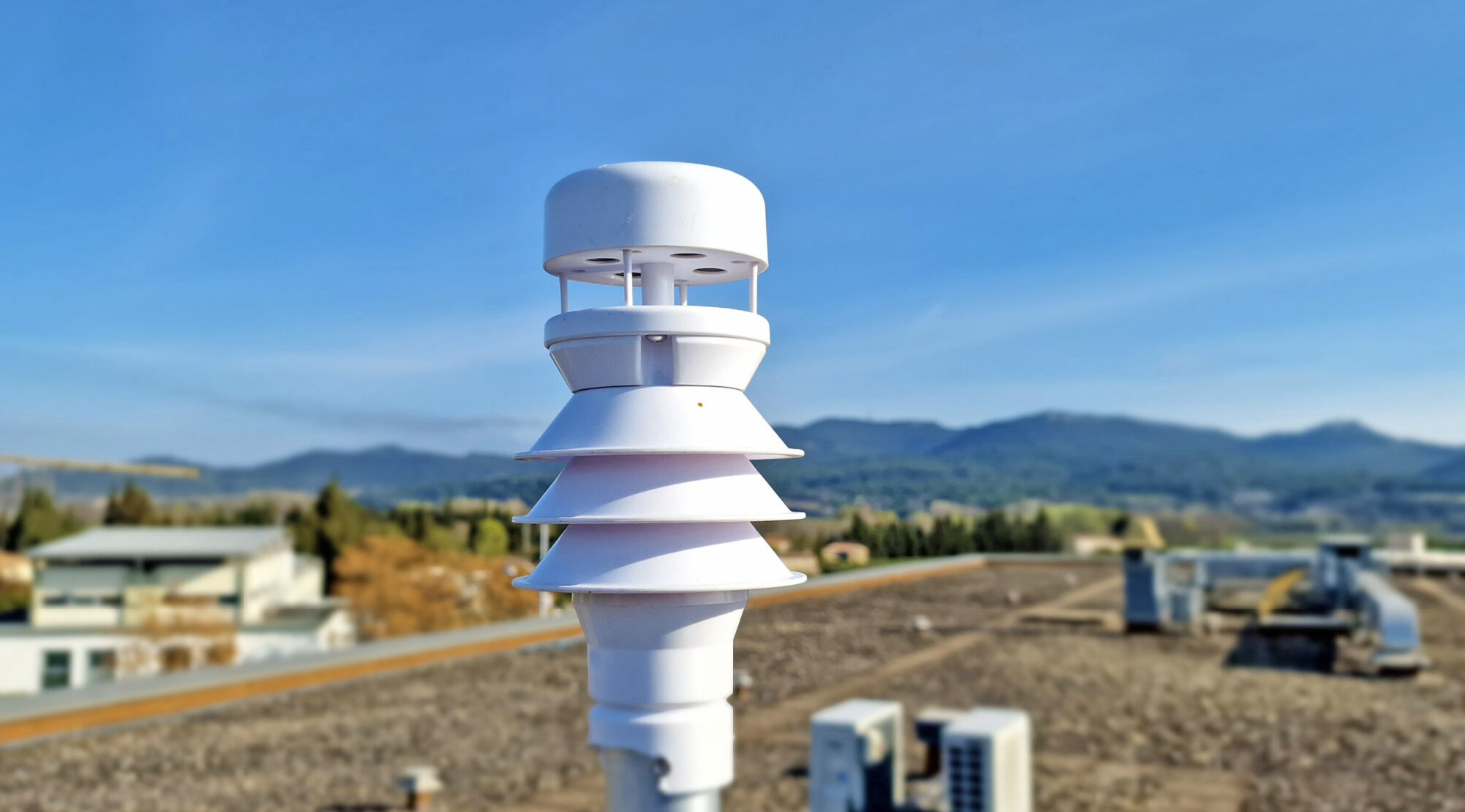
App Features to Enhance Your Allergy Management in Hastings
The Pollen Count & Alerts App offers comprehensive tools designed specifically to help Hastings residents manage their allergies effectively throughout the year.
- Real-Time Pollen Counts: Access the latest pollen data specific to Hastings, including birch, grass, and weed pollen levels updated throughout the day
- Customised Pollen Alerts: Receive notifications when pollen levels for your specific allergens reach thresholds that may trigger symptoms, allowing proactive management
- Accurate Local Forecasts: View detailed 5-day pollen forecasts tailored to Hastings' coastal climate and seasonal patterns, helping you plan ahead with confidence
- Educational Content: Learn about local pollen types, peak seasons, cross-reactivity with foods, and evidence-based strategies to reduce exposure and manage symptoms
- Intuitive User Design: Navigate easily through pollen data, track your symptoms over time, and identify patterns between pollen exposure and allergy severity


Explore More on Managing Seasonal Allergies
- Understanding Allergy Pollen Counts: Your Comprehensive Guide – Learn how to interpret pollen count levels and develop effective strategies to minimize your exposure and manage allergy symptoms throughout the season.
- Why Are My Allergies So Bad Right Now? | Pollen Count & Alerts App Blog – Discover the environmental and biological factors that can cause your allergies to suddenly intensify, even if you've never had severe symptoms before.
- Do Allergies Get Worse as You Age? | Pollen Count & Alerts App Blog – Understand how your immune system and allergy sensitivities evolve over your lifetime, from childhood through older adulthood.
Stay updated with the latest tips and insights by visiting the Alert Pollen Blog.
Pollen count in nearby cities
FAQ
When is pollen season in Hastings?
Pollen season in Hastings runs from January through September, with different allergens peaking at different times. Tree pollen from hazel and alder begins in mid-January, followed by birch and oak in April-May. Grass pollen, which affects the majority of hay fever sufferers, peaks twice during June and July, while weed pollen such as nettle and mugwort dominates from late June through September.
What are the most common pollen allergens in Hastings?
The most common allergens in Hastings are grass pollen, which affects approximately 95% of hay fever sufferers and peaks in June and July, and birch pollen, which is highly allergenic and peaks in April-May. Other significant allergens include hazel and alder in early spring (February-March), oak and ash in mid-spring (April), and mugwort and nettle during late summer (July-September). London plane trees also release substantial pollen in May.
How can I protect myself from pollen in Hastings' coastal climate?
Take advantage of Hastings' coastal location by planning outdoor activities when onshore breezes blow in from the sea, as maritime winds help reduce pollen levels compared to inland conditions. Monitor daily pollen forecasts using the Pollen Count & Alerts App to avoid going outside during peak pollen times, especially on warm, dry, windy days when pollen spreads most readily. After rainfall, pollen levels temporarily drop, making it an ideal time for outdoor activities.
Final Thoughts
Living in Hastings means navigating a lengthy pollen season that spans from winter through early autumn, but understanding which allergens peak when empowers you to take control of your symptoms. By staying informed with accurate, localized forecasts from the Pollen Count & Alerts App, you can plan your days around pollen levels and enjoy Hastings' coastal beauty with fewer allergic reactions.
Download the Pollen Count & Alerts App today to receive personalized pollen alerts tailored to Hastings and take the guesswork out of managing your allergies.
Take Control of Your Allergies Today
The Pollen Count & Alerts App delivers real-time pollen counts, personalized alerts based on your specific allergen sensitivities, and comprehensive five-day forecasts for Hastings. Whether you're dealing with birch in spring or grass pollen in summer, our app helps you stay one step ahead of allergy season. Download now and breathe easier all year long.